
Immigration, Diversity & Identity
What Makes American Identity So Diverse
A View From the Front Porch
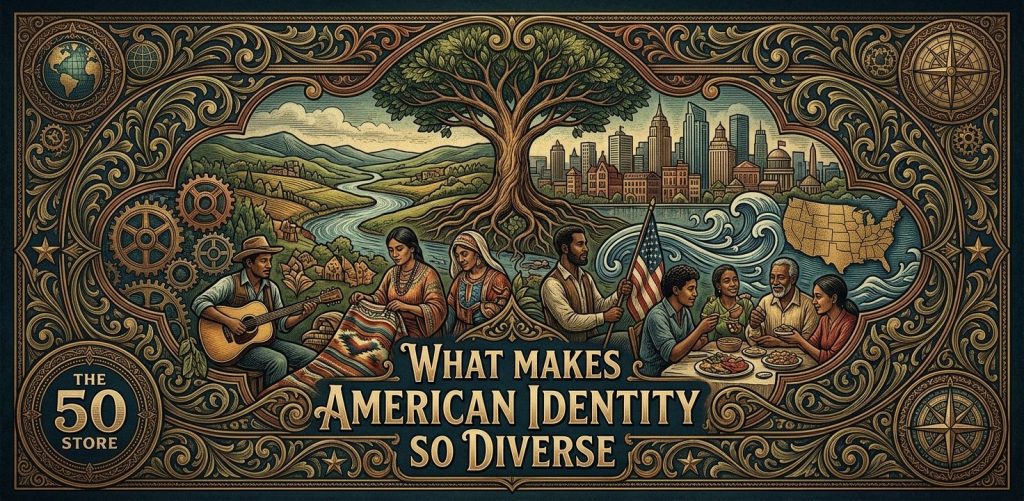
Hello, neighbor. Pull up a chair and sit with me for a minute. If you spend enough time watching the world go by from a front porch anywhere in this vast country, you start to notice something beautiful. You see the true face of America. It is not just one color. It is not just one background or one single way of thinking. It is a vibrant, intricate quilt stitched together by millions of different hands. This is the cultural mosaic that defines us. We are a proud nation of hopeful dreamers and determined doers.
Sometimes, however, it feels like we focus entirely too much on what separates us. We turn on the television and hear loud debates about our personal differences. The evening news can make a person wonder if we have anything in common at all. It is easy to feel disconnected in a country so large and wide.
So, how did we arrive here? What exactly makes the American identity so deeply diverse, yet still firmly tied together? What is the invisible glue that holds our many communities intact?
The honest answer lies in the small, everyday stories. It is found in the quiet moments of history where vastly different worlds unexpectedly met and created something entirely new. Our national identity is not a rigid, static thing. It is a living, breathing story that we actively write together every single day.
The Numbers Behind Our Shared Story
Let me share a few numbers that might surprise you. These facts always give me a profound sense of warm hope about our collective future. According to the United States Census Bureau, there are over 350 different languages spoken in homes across our country. It means right now, families are passing down elder wisdom, sharing evening meals, and telling funny jokes in hundreds of different tongues. Yet, they all do this beautiful living under the exact same American sky. 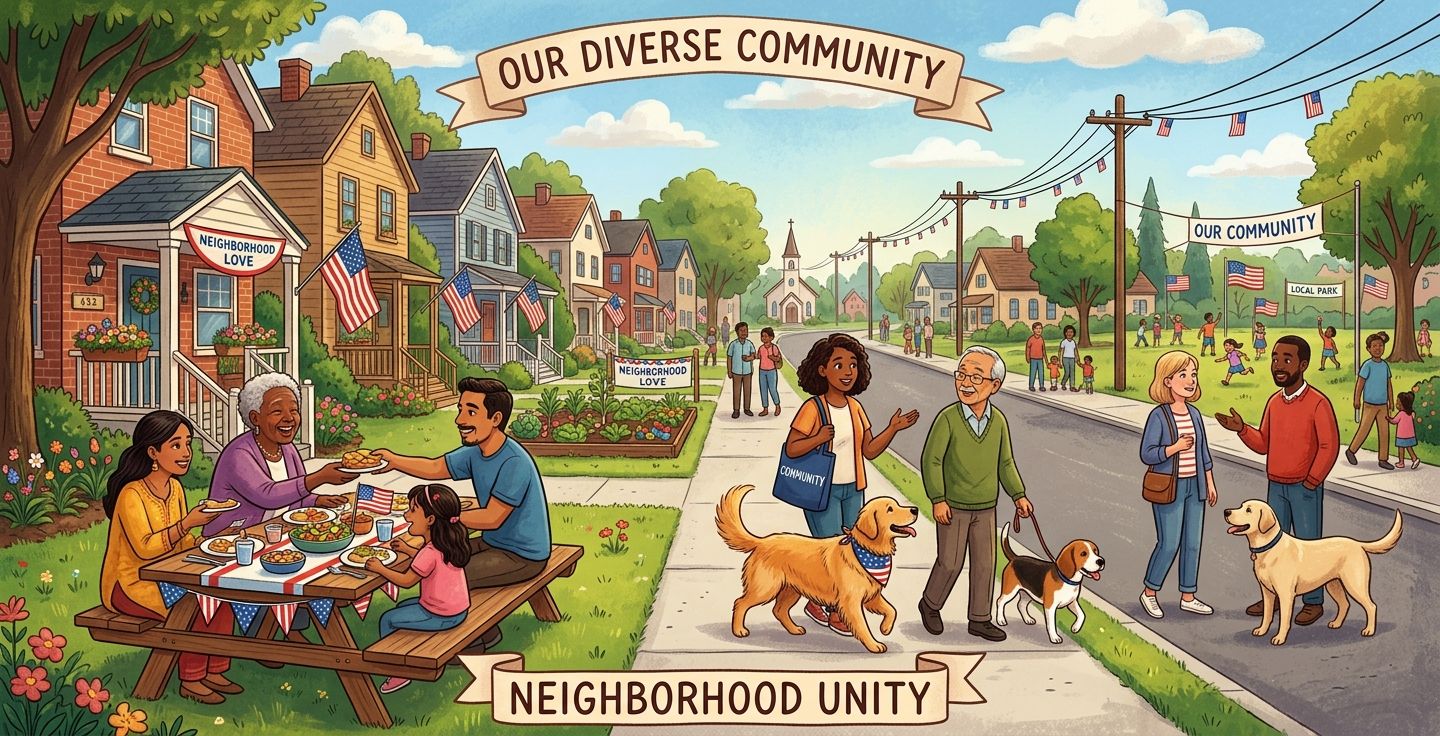
The Pew Research Center projects a fascinating shift in our national demographics. They estimate that by the year 2055, the United States will not have a single racial or ethnic majority. We are moving steadily toward a bright future where our rich diversity is our primary defining trait.
This is not a new phenomenon at all. When you look at busy neighborhoods in places like Queens or Los Angeles, you literally see the entire globe compacted into a few city blocks. You see Korean grocery stores operating comfortably next to Mexican bakeries. This physical closeness beautifully forces us to learn from one another. It actively encourages us to appreciate the unique flavors and rich traditions that each distinct group brings to the grand national table.
Woven Together Through Micro-Histories
Big historical events generally shape our national borders. Small, intensely personal histories, however, shape our culture. Let us look at a few powerful examples of how everyday, hardworking people built our shared values.
The Flavors of the Crescent City
Take a slow walk down the lively, cobblestone streets of the French Quarter in New Orleans. The warm evening air always smells like sweet beignets and rich gumbo. This famous city did not invent a new way of cooking by sheer accident. It happened out of pure survival and absolute necessity. It happened because wildly different people were living shoulder to shoulder in the unforgiving, muggy bayou.
In the eighteenth and nineteenth centuries, enslaved Africans, French colonists, Spanish settlers, and Native Americans all shared this marshy, challenging delta region. They did not have much in common initially. They spoke entirely different native languages. They prayed in very different traditional ways. But they all needed to eat, and they all desperately had to survive the harsh environment. The local Native Americans generously showed the newcomers how to properly use filé powder crushed from sassafras leaves. The strong African men and women brought hardy okra seeds and deep knowledge of agriculture. The French cooks brought their classic, heavy roux.
The resulting masterpiece was the creation of gumbo. This single, delicious, steaming dish is a totally perfect reflection of the true American identity. It is a hearty, wonderfully complex stew. Every single ingredient manages to retain its own unique character and distinct texture, while simultaneously making the entire pot taste infinitely better. It perfectly illustrates how the melting pot concept truly works in real, everyday life.
The Golden Door of Opportunity
Now, take a moment to think about the millions of hopeful, weary families who arrived by crowded boats into New York Harbor. They stared up in absolute awe at the giant copper lady holding her bright golden torch high. If you take a ferry and visit Ellis Island today, you can almost clearly hear the soft, nervous echoes of their hopeful footsteps in the great brick registry room.
One of the most defining and powerful pieces of our national identity was written by a truly remarkable woman named Emma Lazarus (1849-1887). She was a poet born in New York City to a Sephardic Jewish family. Emma spent a great deal of her personal time tirelessly working with frightened refugees who were fleeing terrible religious persecution in Eastern Europe. She saw their profound, heartbreaking fear. She also clearly saw their incredible, untapped potential.
When she wrote her famous poem “The New Colossus” to help raise critical funds for the heavy pedestal of the Statue of Liberty, she forever changed how America saw itself. She proudly and loudly called the massive statue the “Mother of Exiles.” Her bold, ringing words formally welcomed the tired, the desperately poor, and the huddled masses yearning to breathe free. She firmly cemented a completely radical new idea. Being a true American was not about your royal bloodline, your wealth, or your inherited family name. It was entirely about your absolute willingness to work extremely hard and fully embrace the vast promise of the American dream.
A Legacy of Innovation in the Soil
Our beautiful diversity is also deeply rooted in the brilliant, creative minds that physically shaped and healed our damaged land. Consider the highly inspiring story of George Washington Carver (1864-1943). Born tragically into the cruel system of slavery in Missouri, he fiercely overcame unimaginable obstacles to become one of the most prominent scientists and respected agricultural inventors of his entire era.
After the bloody Civil War finally ended, southern soil was completely depleted. Countless years of growing nothing but greedy cotton had ruined the delicate earth. The land was exhausted and completely tired. The local farmers were severely impoverished, hungry, and highly desperate. Carver saw a brilliant, practical scientific solution. He taught struggling, poor farmers to carefully rotate their main crops with simple peanuts and sweet potatoes. This simple, easy, but entirely brilliant method naturally restored vital, life-giving nitrogen back into the dying soil.
Carver did not just stay safely hidden away in a comfortable academic laboratory. He bravely took his vital knowledge directly to the hurting people. He continuously traveled the dusty, rutted dirt roads in a special wagon he proudly called the “Jesup Agricultural Wagon.” He gave entirely free, highly practical hands-on demonstrations to incredibly poor farmers, both black and white alike. His boundless, incredibly generous innovative spirit literally saved countless families from sheer starvation and total financial ruin. Carver proudly showed us all that true, lasting American genius comes directly from using your own talents to constantly lift other people up. 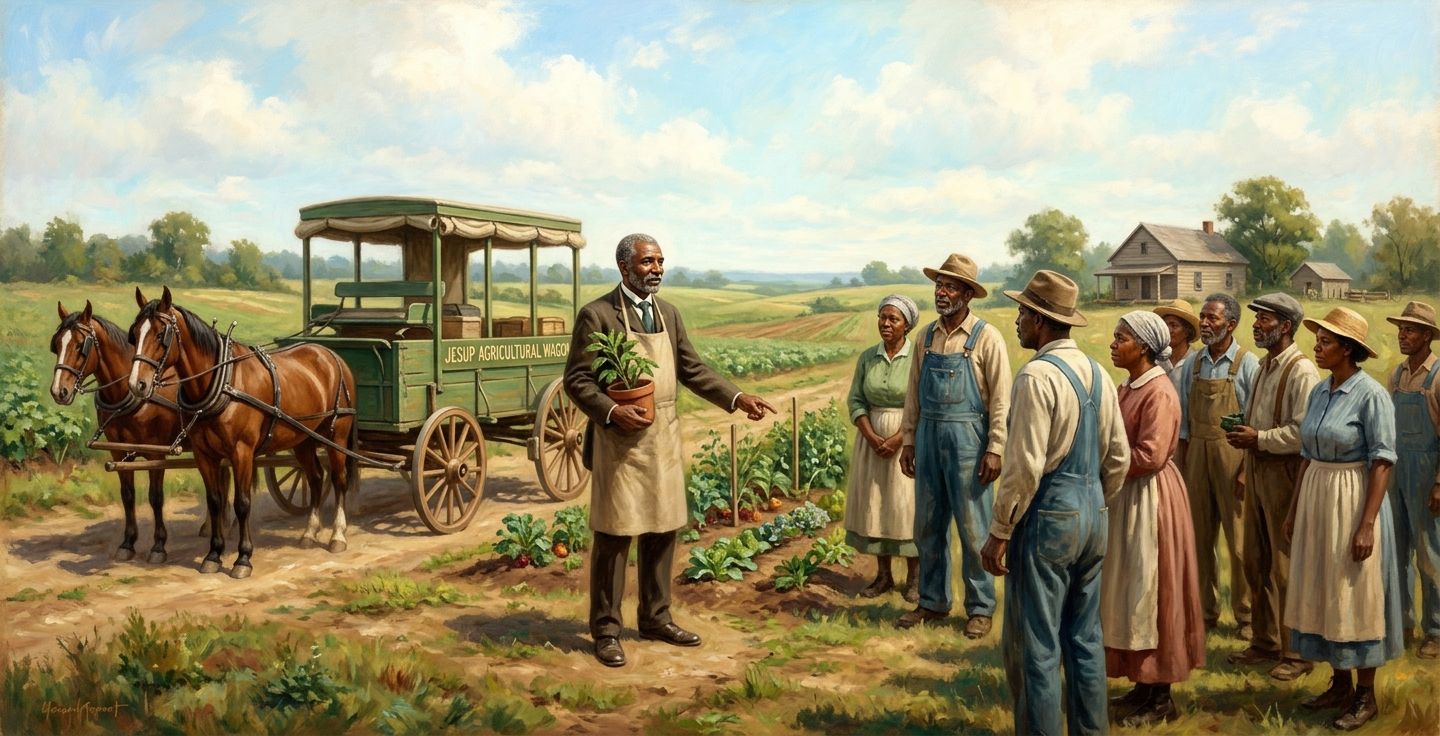
The Fabric of Our Communities
Every town in this wide, beautiful country holds a similar, heartwarming story. We are a massive, continually walking collection of these deeply intertwined narratives. Our national identity is highly diverse primarily because our monumental challenges constantly required wildly different skill sets to conquer. We absolutely needed the steadfast, quiet endurance of the early western pioneers. We deeply needed the ancient, profound respect for nature safely held by the wise Native American tribes. We desperately needed the unyielding, fierce hope of the newly arrived immigrant confidently stepping off a crowded boat.
This brings me to my final, hopeful thought for you today, my friend. The great, sprawling story of America is still being actively, constantly written. You are firmly holding the vital pen right now in your own capable hand.
I highly encourage you to take a long, warm, appreciative look around your own neighborhood this week. Try your absolute best to find the quiet, unseen micro-histories happening right in your own local backyard. Visit a small, local historical museum this coming weekend. Talk warmly to the proud owner of that family restaurant right down the street. Ask them politely and genuinely about their own personal journey to this place.
When we actually take the vital time to truly learn about each other, we quickly realize a fundamental, beautiful truth. Our many apparent differences are actually our absolute greatest strength. We are very diverse, yes. But we are also deeply, permanently connected by our shared, powerful desire to collectively build a much better, significantly brighter tomorrow. Let us boldly go out and happily celebrate this beautiful, complex, and wildly diverse identity that makes us all so incredibly proud to call this amazing, wonderful country our true home.
What is the American identity?
The American identity is a beautifully diverse blend of cultures, personal beliefs, and historical traditions. It is not defined by a single ethnicity, but rather by shared commitments to personal freedom, hard work, and the unwavering belief that absolutely anyone can build a better future.
How does immigration shape the culture of the United States?
Immigrants continuously bring fresh ideas, delicious regional foods, different languages, and highly unique professional skills. By constantly adding completely new perspectives to our local communities, they actively help drive innovation and keep our overall cultural landscape vibrant.
Why is diversity considered a great strength in America?
Having different personal backgrounds means we naturally possess multiple ways to creatively solve complex social problems. When people from highly varied walks of life willingly collaborate, they combine their unique strengths to create highly resilient, successful communities that can adapt to any new challenge.
What does the term melting pot truly mean in history?
The concept refers directly to the way vastly different cultures seamlessly come together within America. Like a really good, hearty stew, each individual culture retains its own special, distinct flavor while beautifully contributing to a much richer, unified society that benefits everyone involved.
How did historical figures influence our shared national values?
Everyday working people and brilliant visionary leaders alike laid the vital groundwork for our modern communities through their personal struggles and creative inventions. Their personal sacrifices firmly established a lasting cultural standard of community resilience, public service, and constant technological innovation.
What can individuals do locally to celebrate American diversity?
You can easily celebrate by actively learning about the diverse people living right in your own neighborhood. You might visit local historical museums, gladly support family-owned ethnic restaurants, and respectfully ask your neighbors about their cherished family history and unique traditions.