Culture & Traditions
Why Coffee Shops Became Social Hubs
I wake up early these days. The sun takes its time rising, and the streets are quiet. I put on my coat and take a slow walk down to the corner cafe. This is my daily routine. I sit at a small table by the window and watch the world wake up. The scent of roasted beans fills the room. The hiss of the espresso machine sounds like a familiar song. I sip my black coffee and observe the room. I have spent a lifetime watching our towns change, and I have noticed something wonderful happening in these busy shops.
The Situation: A Familiar Morning Routine
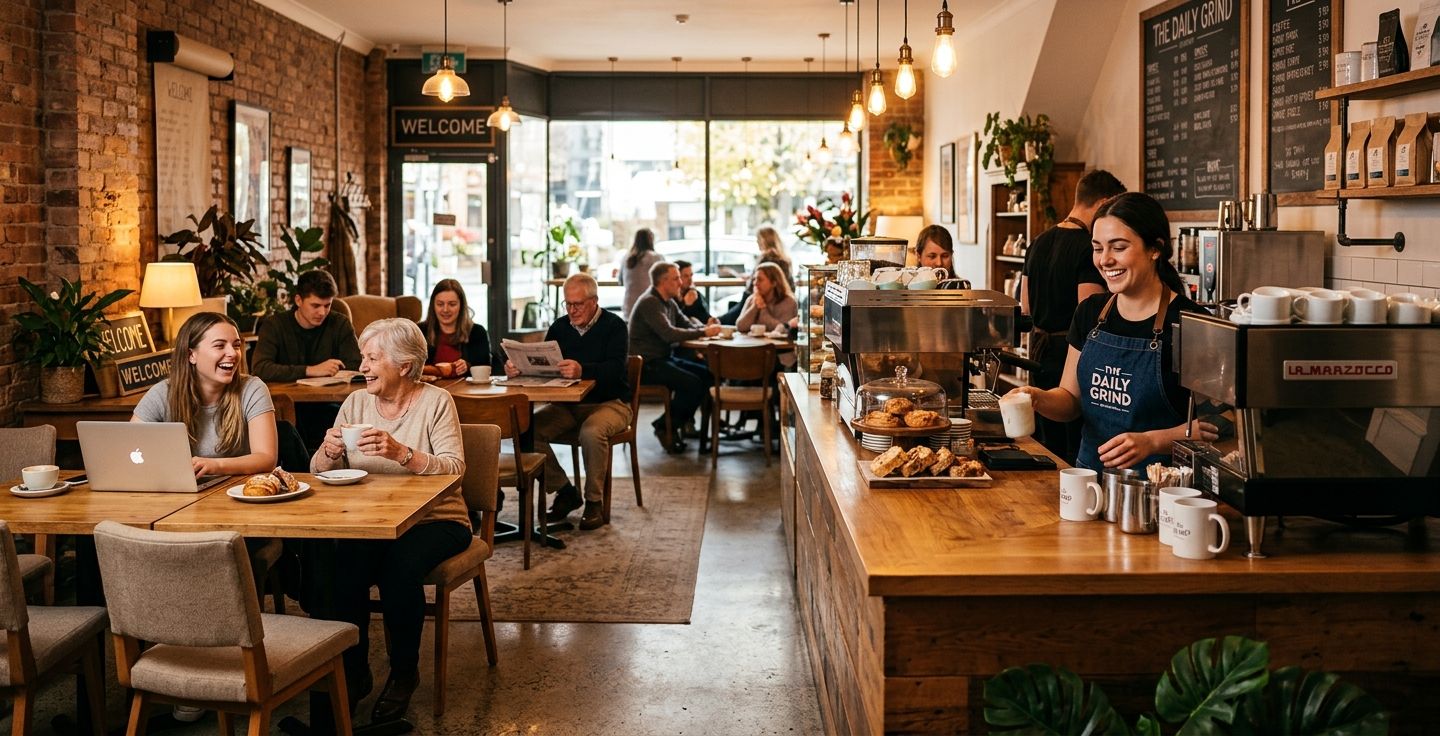
In nearly every town, you will find a bustling coffee shop. It might be a famous chain or a small independent shop with mismatched chairs and local art. Regardless of the name on the door, the scene inside is almost always the same. You see college students typing on their laptops. You see old friends sharing a pastry. You see busy professionals taking a brief moment of peace before rushing off to the office. We have built our modern mornings around these places.
A Small Story of Beans and Banter
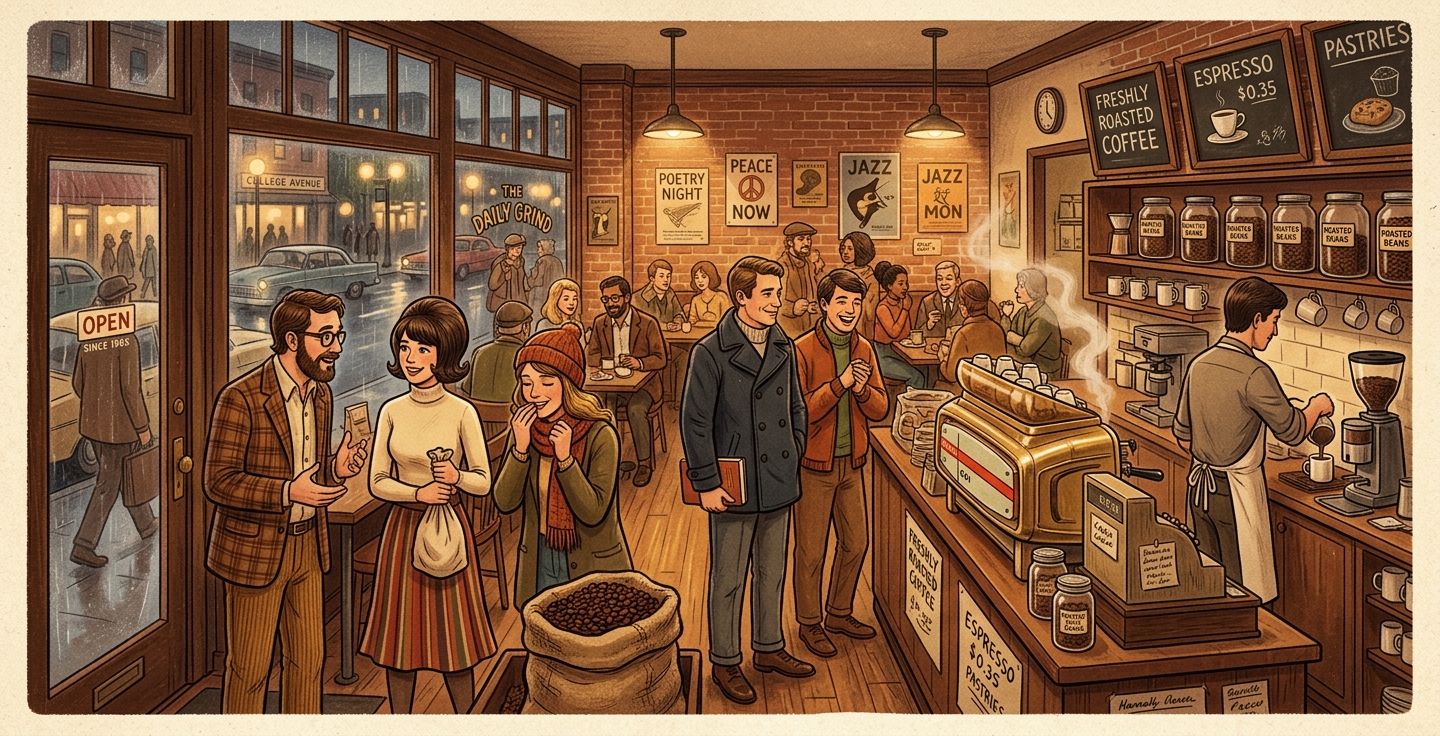
To understand how we got here, we look back at the people who planted the seeds. I think about Alfred Peet (1920-2007). He was a man who cared deeply about a good cup of coffee. When he arrived in the United States, he was disappointed with the weak coffee folks were drinking. He opened a modest shop in Berkeley, California in the nineteen sixties.
His original goal was simple. He wanted to sell high quality roasted beans for people to take home. But a curious thing happened in that small store. Customers did not just buy their beans and walk out. They lingered. They breathed in the earthy aromas. They started talking to the person next to them in line. A simple retail store organically blossomed into a lively gathering space.
The Complication: When the Front Porch Disappeared
As the decades rolled by, the physical landscape of our country shifted. I remember a time when neighborhoods were built primarily around the front porch. You would sit outside in the evening, wave to your neighbors, and share the local news. But then we built sweeping highways. We moved into spacious homes in the sprawling suburbs. We traded the shared front porch for the private backyard patio.
We gained televisions, air conditioning, and incredible domestic comfort. Yet, we lost our shared ground. The local diners, where the waitress knew your regular order, slowly started to vanish from main streets. We retreated indoors. We became wonderfully comfortable in our own homes, but we also became quietly isolated from the people living right next door.
The Question: Why Brave the Weather?
This history brings a profound question to my mind. We live in an era of convenience. You can buy a machine that makes a perfect cappuccino right on your kitchen counter. You can talk to friends across the country through a glowing screen. Why, then, do so many of us brave the cold to stand in line at a local cafe? Why do we pay for a cup of coffee we could easily make at home?
The Answer: We Are Searching for Our Third Place
We step out of our comfortable homes because we are hungry for social connections. The numbers tell a fascinating story. According to a recent report from the National Coffee Association, over sixty percent of American adults drink coffee every single day. But the beverage is only half the story.
The Cigna loneliness index released a report stating that more than half of adults in this country report feeling lonely. It is a quiet epidemic. However, there is a bright side. A study by the Survey Center on American Life found a beautiful remedy. They discovered that folks who regularly visit local commercial spaces, like a neighborhood cafe, report a significantly stronger sense of belonging.
We go to the cafe because we need community spaces. The brilliant sociologist Ray Oldenburg (1932-2022) gave us the perfect term for this concept. He called it the third place. Your home is your first place. Your workplace is your second place. The coffee shop serves as the third place. It is a neutral ground where you can just be a person enjoying a hot drink.
The Comfort of Background Noise
There is a very specific comfort found in modern coffee culture. When you sit in a cafe, you are surrounded by the gentle hum of human life. You hear the clatter of ceramic mugs and fragments of friendly conversations. This unique environment offers a low pressure form of socializing.
In the cafe, the local mechanic sits next to the retired school teacher. The college student studying shares a table near the young mother taking a brief rest. The simple act of buying a small cup of coffee is your ticket to exist in a shared space. It is a beautiful celebration of everyday human interaction.
Hope in the Hum of Voices
I sit in my corner chair and watch the younger folks. They are often tapping away on their laptops. I have heard people my age complain that the young are totally disconnected from the real world. I see it entirely differently. I look at them and feel a deep hope for our future generations.
These young people could easily be sitting alone in their apartments. Instead, they actively choose the clatter of cups and the warmth of the crowd. They want to be part of the living, breathing world. They are finding new ways to preserve the old traditions of gathering. They understand that we truly need each other.
Your Next Cup
So tomorrow morning, I strongly encourage you to try something slightly different. Take a walk down to your local shop. Leave your headphones in your pocket. Order your favorite drink, whether it is a plain black coffee or a fancy latte.
Take a moment to truly look around the room. Smile at the hardworking person behind the counter. Strike up a quick conversation with the stranger waiting for their order next to you. You might be surprised by how eager people are to talk. We are all just looking for a little bit of warmth.