
American Lifestyle
What Americans Do After Work (Daily Habits Explained)

The Gentle Hum of Twilight
The late afternoon sun dips below the rooflines, casting long, golden shadows across the cracked sidewalks of our neighborhoods. The streetlights flicker to life with a quiet, electric hum. It is a beautiful sight. This gentle fading of the light signals the end of another day of labor, ambition, and effort across this great land. It is the time when the heavy machinery of our economy finally idles. Folks step out of glass office buildings, walk out of factory doors, and turn their faces toward home. We are tired. We are ready for rest.
This is the shared situation we all experience five days a week. We trade our daylight for wages, and we are left with the twilight hours to call our own. Yet, life today moves at a dizzying pace. The complication we face is the blurring of lines between the office and the living room. Our pockets vibrate with urgent messages long after the dinner dishes are washed. We rush from the commute to the kitchen, and then we collapse onto the sofa.
We must pause and ask a vital question. What are we truly doing with our evenings, and are these choices bringing us the peace we so deeply need?
The answer lies in understanding our history, examining our modern routines, and making intentional choices about how we spend our precious downtime.
The Numbers Tell a Story
When we look closely at our daily habits, the reality of our modern evenings comes into sharp focus. The numbers tell a story that might surprise you. According to recent data from the Bureau of Labor Statistics American Time Use Survey, the average adult spends nearly three hours a day watching television. It is the undisputed king of American leisure. In stark contrast, reading for pleasure occupies less than twenty minutes of our daily schedule.
Another fascinating statistic from the Sleep Foundation reveals that nearly ninety percent of us stare into the glow of a digital screen within an hour of closing our eyes for sleep. We seek relaxation, but we feed our minds a constant stream of bright, rapid information. We are physically resting, but our minds are sprinting a marathon.
A Boy from Idaho Changes the American Evening
I remember a time before screens ruled the evening. Let me tell you about Philo Farnsworth (b. 1906, d. 1971). He was just a farm boy in Idaho. He looked at the straight, parallel lines of a plowed potato field and imagined how an image could be transmitted line by line through the air. He eventually invented the first fully functional all-electronic television system. He was a brilliant mind.
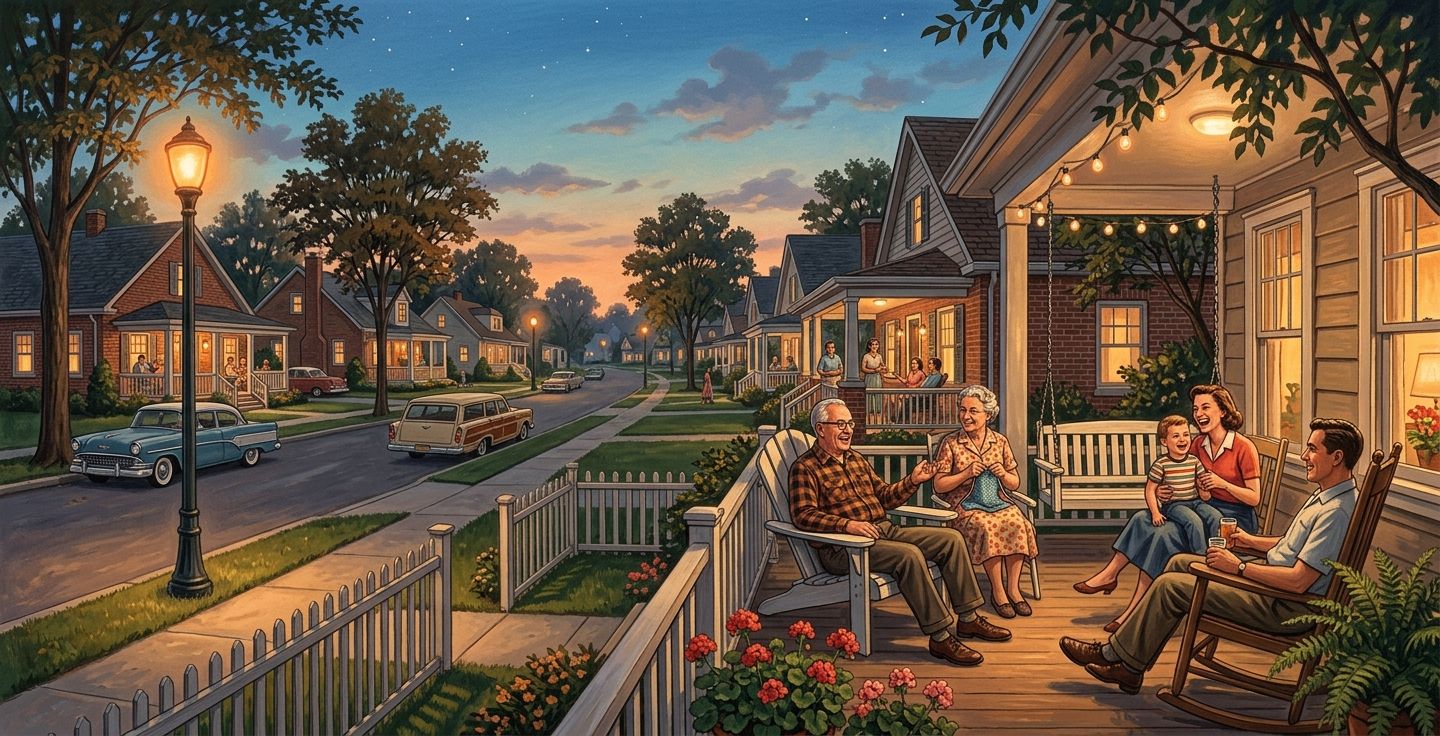
I doubt he ever imagined that his invention would completely alter the American front porch culture. Before his glowing box arrived, neighbors sat outside. We talked. We listened to the summer breeze. The arrival of the television moved our attention from the neighborhood to the living room. It was a marvel of science, but it changed how we connect with one another.
Finding Sanctuary in the City
Long before the television, we had a different approach to unwinding. Think of a man named Frederick Law Olmsted (b. 1822, d. 1903). Back in the nineteenth century, our cities were expanding into loud, crowded hubs of industry. The air was thick with coal dust. The noise of iron wheels on cobblestone was deafening.
Olmsted saw the weary faces of factory workers and knew they needed a sanctuary. He fought for the creation of open greenery in New York. You can still look at Central Park on a map today and see the massive rectangle of peace he carved out. He believed that regular, hardworking folks needed a place to stroll under the leaves after a long shift. He knew nature heals a weary soul. Because of his vision, Americans began to see the evening stroll not as a luxury for the wealthy, but as a basic need for the working citizen.
The Modern Transition from Work to Home
You folks raising families and building your lives today face a totally different landscape. I see how hard you work. I watch you juggling your careers, caring for your children, and trying to keep your homes in order. You do it all with such grace. I know you crave a genuine work-life balance, perhaps even more than my generation did. We just put our heads down and worked. You, however, recognize the importance of the human spirit. You want your evenings to mean something.
The Art of the Commute
Let us explore the most common ways we transition from labor to rest today. The first hurdle is the commute. Millions of Americans spend their evenings sitting in traffic on vast highways. I encourage you to see this time not as a prison, but as a buffer. Turn off the frantic news on the radio. Listen to beautiful music or simply ride in silence. Let the stress of the day melt into the upholstery before you pull into your driveway. You control the dial.
Reclaiming the Dinner Table
Then comes the evening meal. For decades, the dinner table was the anchor of the American family. Today, we often eat in shifts or grab a quick bite over the sink. Reclaiming the family dinner is the greatest gift you can give your children. Sit down. Look at each other. Share a simple meal. It does not need to be a grand feast. A pot of soup and a loaf of bread, shared with love, is a banquet.
Moving the Body, Quieting the Mind
Many of you dedicate your evening hours to moving your bodies. Our grandfathers got their exercise pushing plows or lifting steel. Today, we sit in comfortable chairs all day. Going for a brisk walk, visiting a local gym, or doing some stretches in the living room has become a vital part of our national routine. It clears the mind. It prepares the body for true rest.
Others find solace in hobbies. A quiet pursuit is a wonderful thing. Whether you are knitting, building small models, or tending to a few potted tomatoes on the balcony, you are doing something remarkable. You are creating simply for the joy of it. This is how we find pure quality time in a noisy world.
Hope for the Twilight Hours
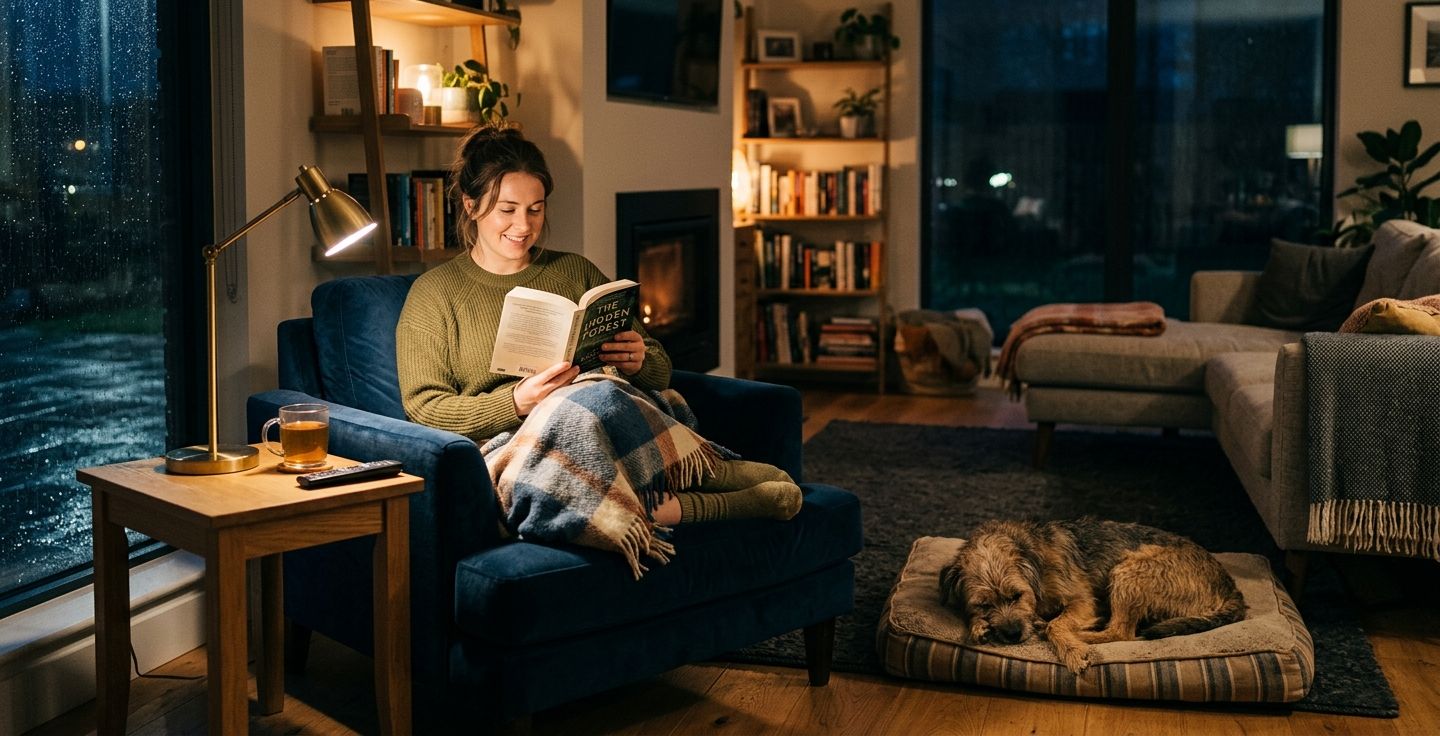
As the night deepens and the house grows quiet, we face our final choices of the day. This is where we build our evening routines. It is so tempting to pick up the phone and scroll through the endless chatter of the world. I ask you to try something different. Leave the phone in another room. Pick up a printed book. Step out your back door and look up at the moon for just two minutes. Breathe in the cool night air.
I look at your generation and my heart fills with hope. You are asking the right questions. You are refusing to be just cogs in a machine. You want a life rich in meaning, deep in love, and full of peace. You are building a gentler, kinder country. Keep protecting your twilight hours. Guard your rest. Tomorrow will bring its own work, but tonight belongs to you. Enjoy it fully.