
Immigration, Diversity & Identity
Why Different Cultures Thrive in the U.S.
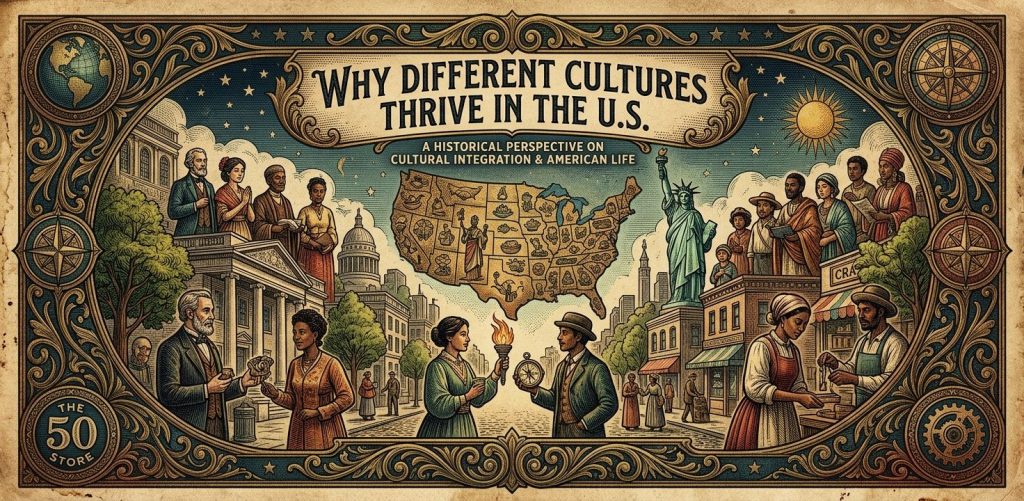
A Walk Through Time in Our Neighborhoods
I walk down the streets of Pilsen in Chicago these days, and I cannot help but smile. I remember a time when the signs painted on the windows were mostly written in Czech. The sweet, buttery smell of fresh kolaches would drift out onto the sidewalk early every morning, greeting the workers heading to the factories. Today, those same historic storefronts sell warm pan dulce, and the cool morning air smells of cinnamon and roasted chiles. The faces have changed. The languages spoken on the corners have changed. Yet, the heart of the neighborhood beats with the exact same steady rhythm. It is a rhythm of hard work, dedication to family, and stubborn hope. We are a nation where people arrive, unpack their bags, and simply start building. They do not just survive here. They put down deep roots.
The Quiet Struggles and Incredible Resilience
It has never been a simple process. Leaving everything you know to cross an ocean or a border is a terrifying thing. You arrive in a place where the rules are strange, the customs are unfamiliar, and the winters might be colder than anything you have ever felt. Naturally, there is friction. Sometimes the people who are already settled here are not as welcoming as they should be. That is the honest truth of our history. It takes a monumental amount of grit to face those quiet, lonely struggles. But the resilience of these families is something that has always left me in absolute awe. They push through the discomfort. They learn a new tongue while keeping their old one alive at the dinner table.
A Surprising Spark of Economic Energy
If you look at the numbers, they tell an incredible story that might surprise you. I was reading a report recently from the National Bureau of Economic Research. It turns out that immigrants are eighty percent more likely to start a business than people born right here in the States. Eighty percent! Another report from the American Immigration Council noted that over forty percent of Fortune 500 companies were founded by immigrants or their children. They are not just coming here to find jobs. They are coming here to create them. They build economic opportunity from the ground up, and that hard work ends up benefiting every single one of us in the long run.
Why Do These Different Cultures Ultimately Thrive?
This brings up a question I have thought about a lot over the years. Why do so many different cultures thrive in the U.S. despite the immense challenges they face? What is it about this specific soil that allows such incredibly diverse communities to blossom year after year?
The answer, I truly believe, lies in our very foundation. We are bound together by an idea, rather than a single bloodline. The idea is simple. If you pitch in, if you respect your neighbors, and if you work hard, you belong here. You do not have to erase where you came from to be considered an American. You can bring your beautiful cultural heritage with you and weave it directly into the fabric of your new home. This creates a remarkable melting pot where the best ideas, the most comforting foods, and the strongest traditions survive and mingle together.
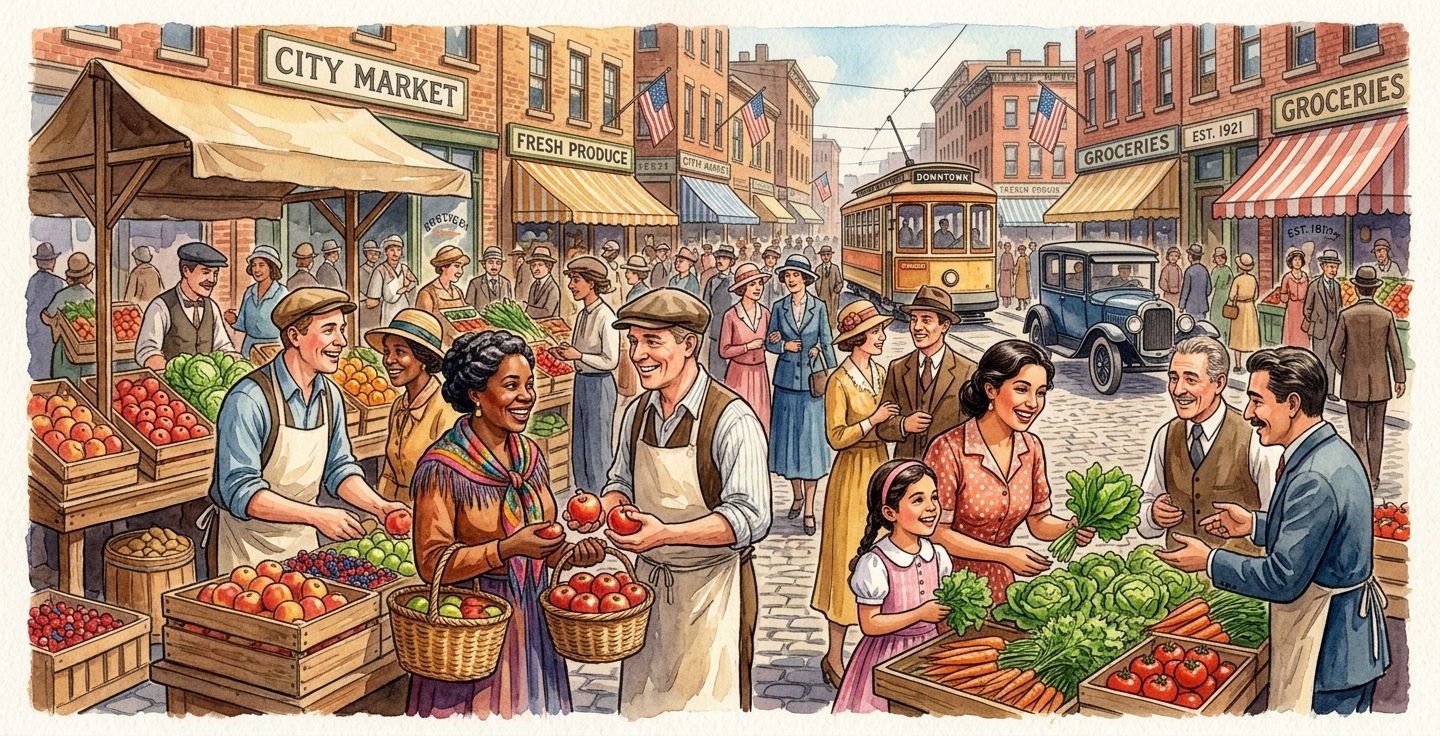
The First Asian American in Congress
Let me tell you a story about a man who proved exactly how true this is. His name was Dalip Singh Saund (1899 – 1973). He came to California from India as a young man to study agriculture. He loved the land, so he stayed, bought a farm, and started raising crops. But he could not become a citizen because of the restrictive laws back then. He did not let that unfairness make him bitter. Instead, he organized his community, he spoke up with dignity, and he fought for the right to become a citizen. Once he won that right, he did not stop there. He ran for judge in a small agricultural town. Then, he set his sights even higher and ran for the United States Congress. He won. He became the first Asian American, the first Indian American, and the first Sikh to serve in Congress. His life is a perfect micro-history of America. He deeply loved his heritage. He kept his faith. But he also deeply loved his new country. He saw his background as a bridge to connect with others, not a barrier to keep them away.
The Fabric of the Working Class
You can look back even further to see this pattern repeating itself. Think about the clothes you might be wearing right now. You might be wearing a sturdy pair of blue jeans. Those were brought to life by Levi Strauss (1829 – 1902). He was a young man from Bavaria who landed in New York before taking a boat all the way to San Francisco during the Gold Rush. He did not go to pan for gold. He noticed that the miners needed tough, durable clothes that could withstand the brutal work. He partnered with another immigrant, a tailor named Jacob W. Davis (1831 – 1908). Jacob was born in Latvia. He had the brilliant idea to put small copper rivets at the stress points of the pants so they would not tear. Together, the man from Bavaria and the man from Latvia created an item of clothing that defines the American spirit all over the globe.
The Rhythm of the Nation
Consider the music we listen to when we want to celebrate. Jazz is widely considered the truest American art form. But jazz did not just appear out of thin air. It was born in gathering places like Congo Square in New Orleans. It is a stunning mixture of African drum beats, European brass instruments, and lively Caribbean rhythms. When legends like Louis Armstrong (1901 – 1971) picked up a trumpet, they were taking all those different cultural ingredients and cooking them into something entirely new. It was a sound that eventually made the whole world want to dance. This shows that when we blend our traditions, we do not water them down. We amplify them.
Looking Forward with Warmth and Hope
These stories are not just dusty history lessons. They are happening right now, every single day. I see it when I walk down to the local hardware store. The family that bought it a few years ago moved here from Vietnam. The father learned the names of every tool in English by reading the labels late at night. Now, his daughter helps him run the register after she finishes her homework. She is heading to college next year. They are adding their own chapter to our big, beautiful book.
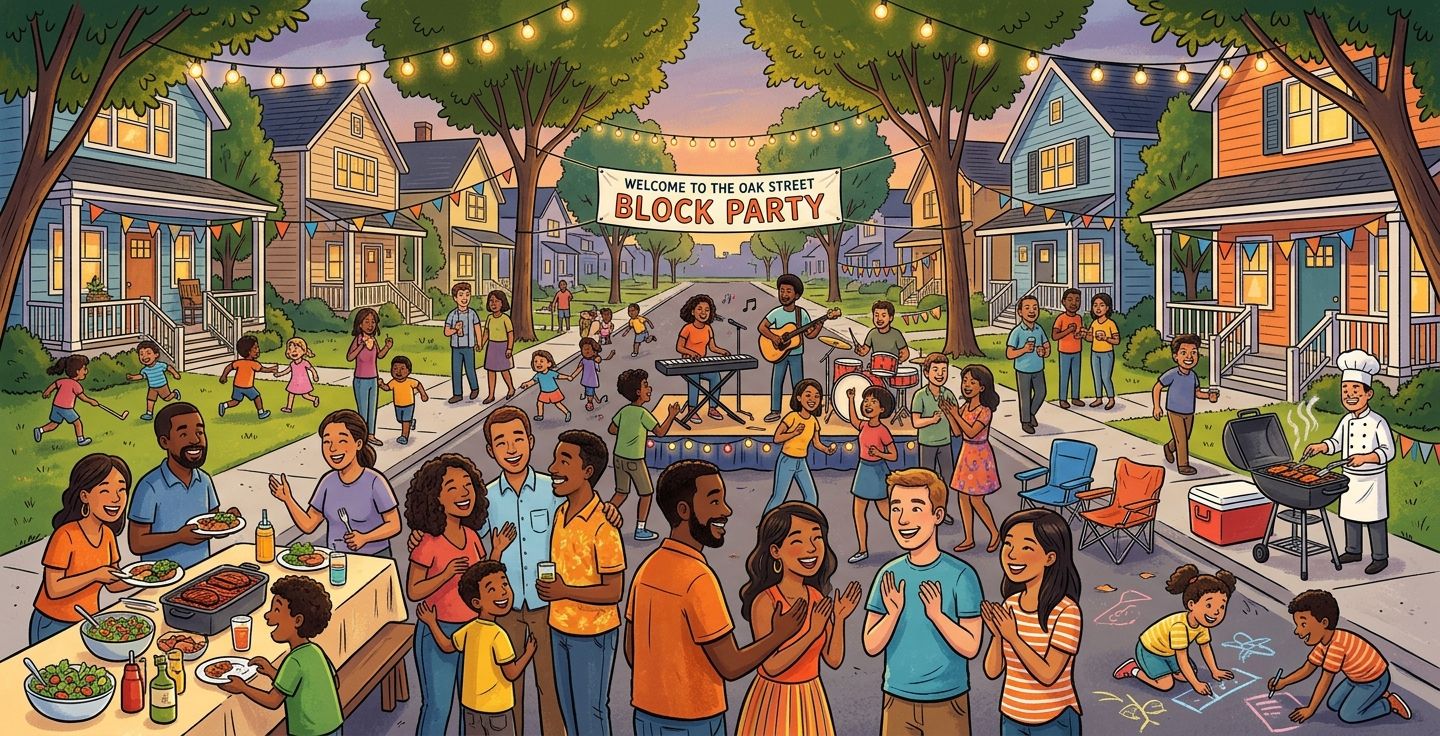
When we embrace these shared values, we all get richer. I do not mean just in our pocketbooks. Our daily lives become richer. We get to learn from people who have completely different perspectives. We become more creative. We learn how to solve problems in ways we never would have thought of on our own.
So, what do we do with this beautiful inheritance? We have a responsibility to keep the door of opportunity wide open. We need to be the friendly face for the new family down the block. When you see someone struggling to understand a new custom, give them a kind word. Smile at them. Buy a loaf of bread from the new bakery in town. Eat at the family-owned restaurant that just opened. These small, simple gestures make a huge difference.
We are passing this great country down to the younger generations. I want them to look around and feel entirely hopeful. I want them to see that our true strength comes from our neighbors, no matter where those neighbors were born. Let us celebrate the blend of traditions. Let us welcome the new ideas. The future is very bright, my friends. It is bright because we keep adding new, vibrant sparks to the fire.
Common Questions About Our Cultural Tapestry
How does cultural diversity actually improve our local economy?
It brings fresh ideas and a strong entrepreneurial spirit. Newcomers often open businesses, create jobs, and offer new services or products, which stimulates local spending and keeps our main streets vibrant and economically healthy.
Can a person maintain their native culture while becoming an American?
Absolutely. That is the true beauty of this country. You can celebrate your heritage, speak your native language at home, and cook traditional meals while still participating fully in civic life and adopting shared national ideals.
What role do small towns play in helping different cultures thrive?
Small towns offer tight knit communities where people can get to know each other on a personal level. This closeness often helps break down barriers faster, allowing new arrivals to become essential, deeply valued members of the local society.
Why is the United States often called a nation of immigrants?
Because with the exception of Native Americans, every single family currently living here traces their origins back to another part of the world. Our laws, customs, and towns were built by people who traveled from afar seeking a better life.
How do new traditions become part of the larger American culture?
It usually happens naturally through daily interactions. A family shares a traditional dish with a neighbor, children play together and learn each other games, or musicians blend different styles. Over time, these shared experiences become beloved American staples.
What can I do to make my own community more welcoming?
Start with simple kindness. Introduce yourself to new neighbors, attend local cultural festivals, shop at immigrant owned businesses, and keep an open mind. A warm smile and a willingness to listen are the most powerful tools we have.