
Geography & the American Landscape
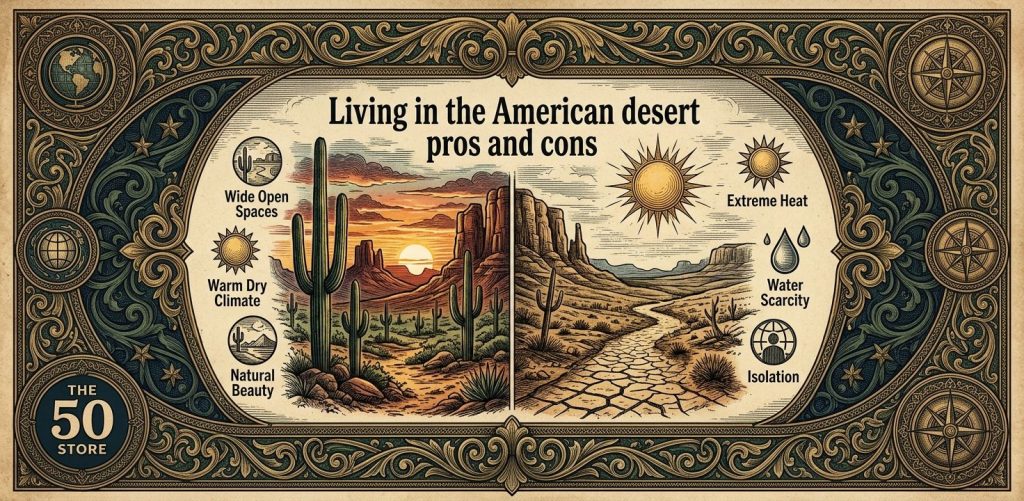
Living in the American desert pros and cons
The Timeless Call of the Sands
I sit on my back porch every evening just as the sun begins to dip below the horizon. The sky out here does not just turn dark. It catches fire. It bleeds orange, purple, and a deep, dusty rose. I have spent my entire life walking this country, watching it grow and change, but there is something profoundly unique about the arid Southwest. When I was a boy, folks thought of these vast, dry stretches as empty space to be crossed as quickly as possible. Today, I look out at the mountains and see a landscape that has become a beloved home to millions. It is a quiet place. It demands respect. Yet, it offers a kind of peace you simply cannot find anywhere else.
You might be sitting in a rainy city right now, listening to the traffic, and wondering what it is like to wake up surrounded by sand, stone, and endless blue sky. You are not alone. The American desert has always held a special mystique, but transitioning from a visitor to a full-time resident is a major life decision. The environment is harsh, the extremes are real, and the learning curve can be steep. Is this life meant for you? To help you answer that, let me share the realities, the profound benefits, and the necessary compromises of living under the desert sun.
The Changing Face of the Sands
People often look at pictures of cracked earth and wonder how anyone could possibly survive, let alone thrive, out here. Yet, the numbers tell a fascinating story of human migration and adaptation. According to the United States Census Bureau, the population in our arid western states has exploded over the last few decades. In the decade between 2010 and 2020 alone, the state of Nevada grew by fifteen percent. Utah grew by over eighteen percent. Maricopa County in Arizona routinely ranks as one of the fastest-growing counties in the entire nation. People are trading their snow shovels for cactus gardens by the thousands.
Furthermore, the United States Geological Survey notes that deserts and semi-arid lands make up about thirty percent of the North American continent. This is not just a fringe environment. It is a massive, vital part of our national geography. We are watching a historical shift as technology and remote work allow families to seek out more space, more sunshine, and a closer connection to nature. The desert is no longer just a place for cowboys and prospectors. It is a vibrant, expanding community of folks looking for a different way to live.
A Small Story of Great Vision
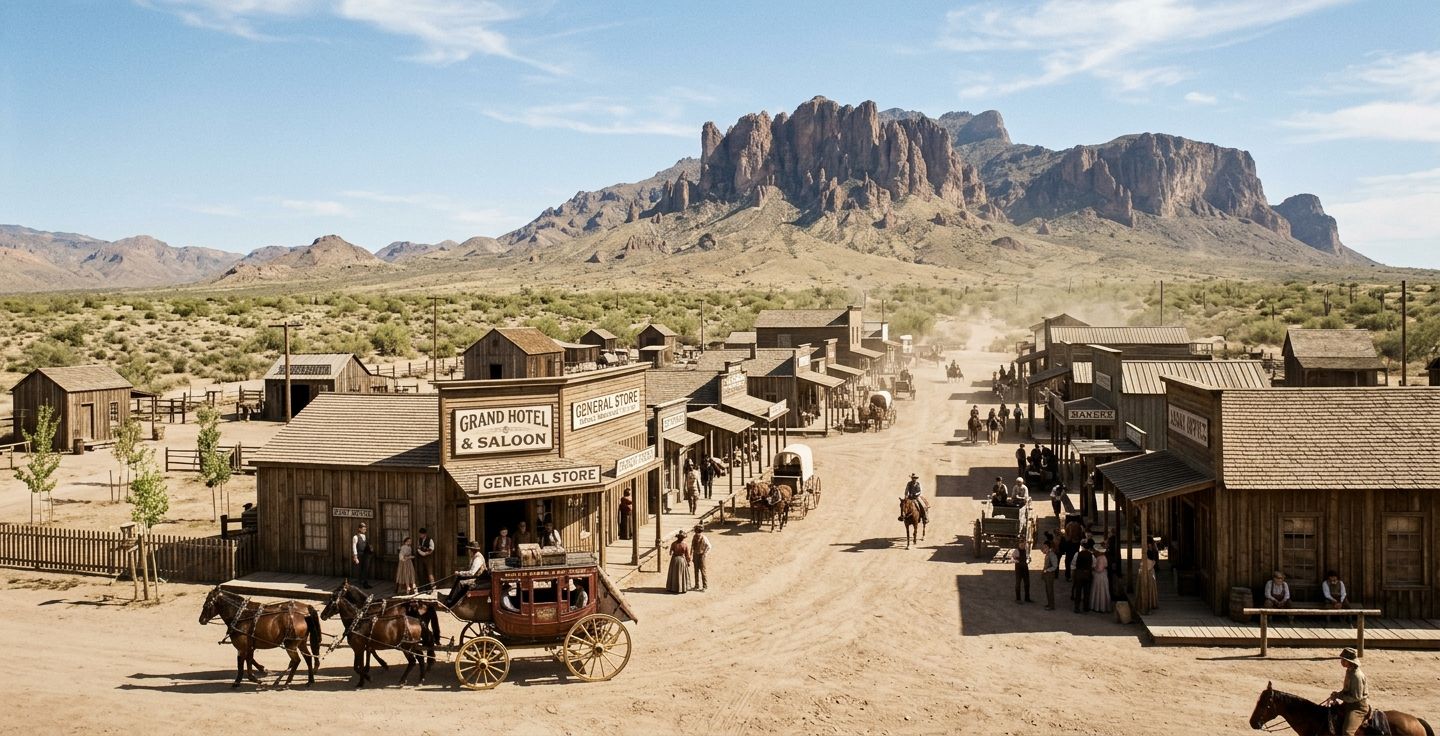
To understand why people fall in love with this harsh land, let me tell you about a remarkable woman named Nellie Coffman (1867 – 1950). Back in the early nineteen hundreds, the area we now know as Palm Springs was little more than a dusty, quiet village. Nellie arrived with a vision that most people thought was absolute foolishness. She did not look at the baking sand and see a wasteland. She saw a sanctuary.
Nellie believed deeply in the healing power of the sun and the dry air. She started a small sanatorium for folks suffering from respiratory ailments. She offered them clean beds, warm meals, and plenty of rest under the bright sky. Over time, that modest establishment evolved into the famous Desert Inn. Nellie Coffman helped transform a sleepy stagecoach stop into a world-renowned destination simply by embracing what the environment naturally offered. She did not fight the elements. She listened to them. Her story reminds us that sometimes, the very things that seem harsh can be the exact things that heal us.
The Gentle Blessings of the Arid Lands
If you are considering making the leap, you want to know about the daily blessings of desert living. Let us walk through the absolute joys of calling this place home.
Sunshine and Vitality
The most obvious benefit is the weather. The sun is a faithful friend out here. You wake up, and the sky is blue. This predictability brings a wonderful peace to your daily routine. You never have to shovel sunshine. For older folks, and even the young ones who work hard all day, the arid climate is a profound blessing for the joints. The low humidity makes a monumental difference in how your body feels. Your bones stop aching when the damp winter frost is completely removed from your life. It is hard to explain until you experience it, but breathing in warm, dry air feels like a gentle hug for your lungs.
A Different Kind of Beauty
Then, there is the beauty of the landscape. It is subtle at first, but once your eyes adjust, it is overwhelming. We do not have lush green forests, but we have saguaros standing tall like ancient sentinels. We have palo verde trees that burst into brilliant yellow blooms every spring. When the winter rains are kind, the spring ground explodes in orange poppies and purple lupine. The smell of the earth right after a summer rainstorm is called petrichor, mixed with the scent of the creosote bush. It is a perfume no city department store could ever bottle. It is the smell of life itself.
The Hard Realities We Accept
Wisdom requires honesty. The desert is beautiful, but it is not a gentle mother. It demands respect, preparation, and a willingness to adapt your habits.
The Fierce Summer Months
The heat is a physical weight. From June through September, the midday sun is relentless. You learn to change the rhythm of your life. You do your yard work at dawn. By ten in the morning, you are indoors, grateful for the hum of the air conditioner. You must carry water with you everywhere you go. A simple walk down the street in July can become dangerous if you are not prepared. The dry heat means your sweat evaporates instantly, which cools you down but also masks how much water your body is losing. Dehydration sneaks up on you quietly.
Wildlife and Dust
We share this land with creatures that command respect. Scorpions, rattlesnakes, and coyotes are part of our neighborhood. You learn to shake out your shoes before putting them on. You keep your dogs on a short leash during evening walks. Furthermore, the wind can be fierce. During the late summer monsoons, we get massive dust storms called haboobs. They roll in like giant brown walls, swallowing the city and leaving a fine layer of grit on absolutely everything you own.
The Value of Water
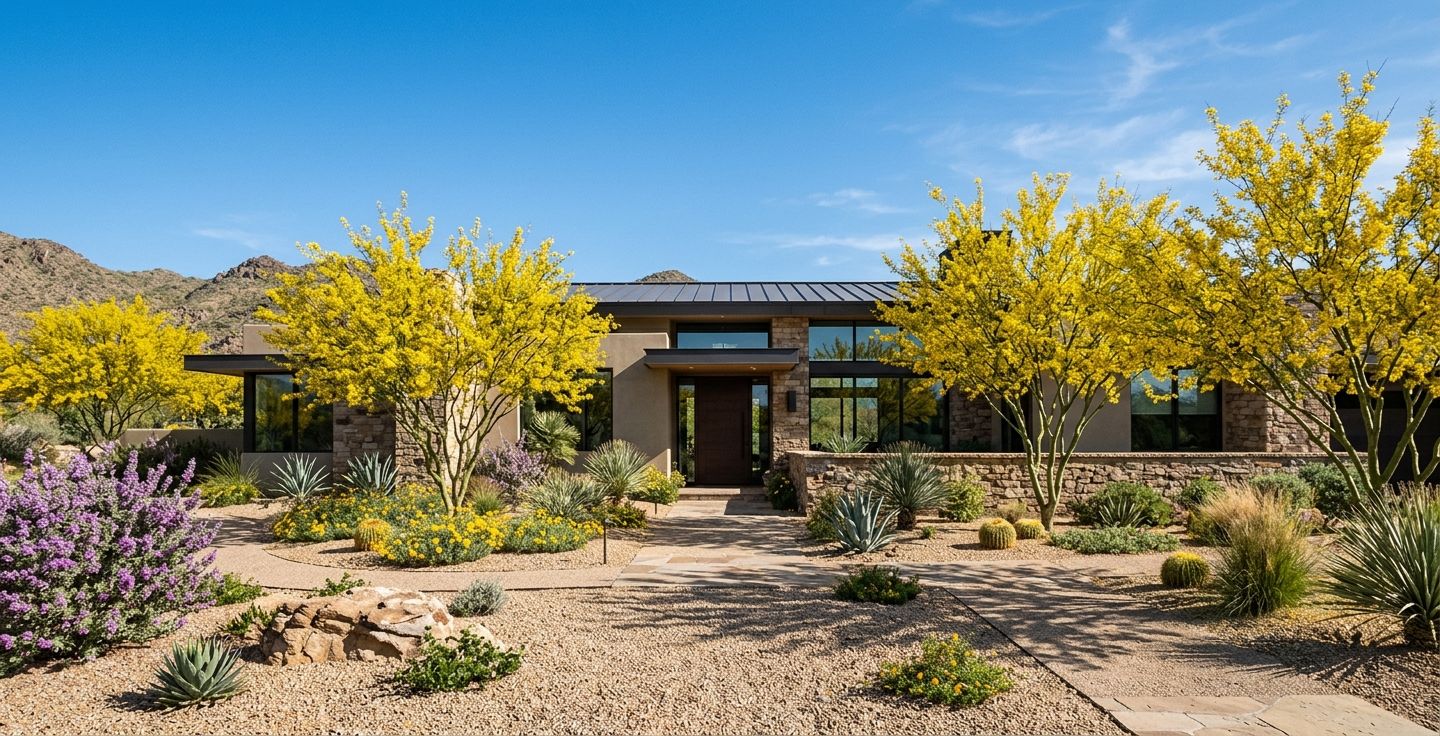
Water is our most precious and debated resource. Moving here means changing your expectations of what a home looks like. You will likely trade a lush, green lawn for desert landscaping. We use gravel, drought-tolerant shrubs, and precise drip irrigation systems. It is a different kind of aesthetic. Some folks miss the smell of freshly cut grass, but learning to live within the limits of the local water supply is the only responsible way to inhabit this land.
A Bright Horizon for the Next Generation
I watch the young families moving into the houses down my street. They are bright, energetic, and full of ideas. They are installing solar panels on their roofs to catch the endless sunshine. They are planting native mesquite trees instead of thirsty grass. They are building communities that respect the fragile balance of nature here. Looking at them gives me immense hope.
The desert is not for the faint of heart, but it rewards those who approach it with a willing spirit. It teaches you to slow down, to appreciate the small miracles, and to find beauty in resilience. If you are curious, I encourage you to pack a bag. Come spend a week with us in July to feel the furnace, and come back in January to feel the paradise. Sit under the stars in the quiet of the night, and listen. You might just find that the desert is calling you home.