
Geography & the American Landscape
Why people move to Alaska
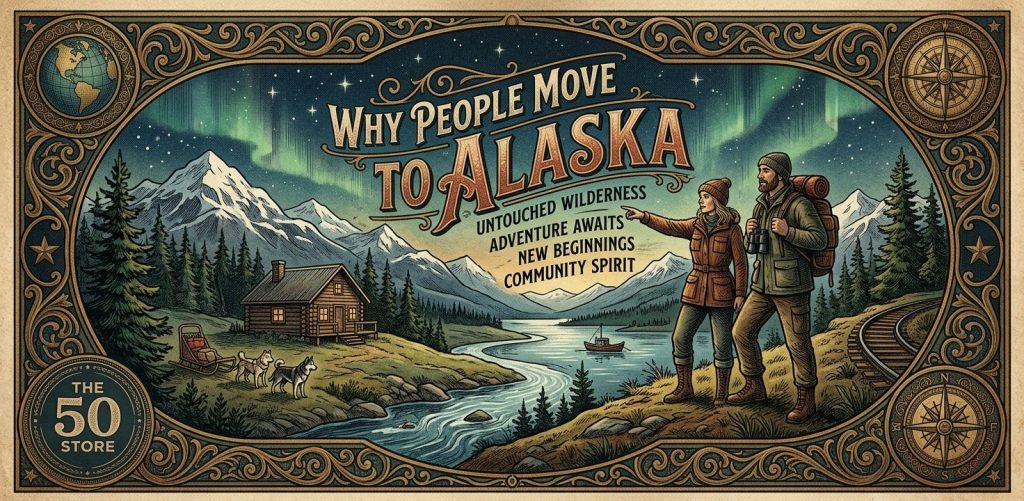
The Changing American Landscape
I remember a time when the edge of my hometown was just a dusty dirt road fading into a quiet line of ancient oak trees. Back in those days, you could walk for an hour and not see another soul, just the deer grazing in the twilight and the fireflies rising from the tall grass. Today, that dirt road is a paved six lane highway. Strip malls have swallowed the oaks. The quiet hum of summer cicadas has been replaced by the constant, low roar of traffic. This is the story of so many places across our beautiful country. We have paved our paths, built our cities tall, and connected every corner with cables and wires. Our lives are more convenient than ever before. Yet, there is a strange heaviness that comes with all this concrete.
We are packed tighter than ever. People wake up, sit in traffic, work under fluorescent lights, sit in traffic again, and sleep. The routine feels predetermined. It feels like the map has been entirely filled in, leaving no blank spaces for a person to discover who they really are. Where does a restless spirit go when the world feels too small? What happens when you realize you need room to breathe, to fail, to build something with your own two hands? They look toward the ice and the mountains. They look to a place that refuses to be tamed.
The Unmistakable Draw of the North
Every year, thousands of brave souls pack up their lives and move to Alaska. It is a decision that baffles many folks who are perfectly comfortable in their suburban homes. But there is a logic to it. There is a deep, profound reasoning behind leaving the warmth of the lower forty eight for the crisp, unforgiving beauty of the north. Alaska represents the ultimate reset button. It is a place where nature still makes the rules.
According to the United States Census Bureau, Alaska has a population density of roughly one point three people per square mile. That statistic alone is enough to make a claustrophobic heart sing. Furthermore, the Alaska Department of Fish and Game points out that there are over three million lakes in the state. There is more coastline in Alaska than in all the other states combined. These are not just numbers on a page. They are promises of freedom. They are guarantees of space.
A History of Looking Forward
Let us talk about how this massive expanse became part of our American story. It was not an obvious choice at the time. Back in the middle of the nineteenth century, the country was recovering from deep divisions. Most politicians were focused on rebuilding the nation and expanding railroads across the plains. Then came William H. Seward (1801-1872). He was the Secretary of State, and he saw something others could not see. He looked at a map and saw potential.
When Seward negotiated the purchase of Alaska from Russia in eighteen sixty seven, people laughed at him. They called it Seward’s Folly. They thought it was a giant icebox, a useless frozen wasteland. But Seward understood a fundamental truth about the American spirit. We need frontiers. We need places that challenge us. His single signature on a treaty shifted the trajectory of our nation. It opened up a treasury of natural resources. But more importantly, it preserved a sanctuary for the wild at heart. Today, walking through the bustling streets of Anchorage, you can still feel the echoes of that bold vision.
Finding Solitude by the Lakes
Big national changes are always made up of small, personal choices. While Seward bought the land, it is the everyday people who give it a soul. Consider the story of Richard Proenneke (1916-2003). After serving in the military during the Second World War, Richard found himself in a rapidly modernizing America. Factories were booming. The world was spinning faster every day. Richard decided he did not want to spin with it.
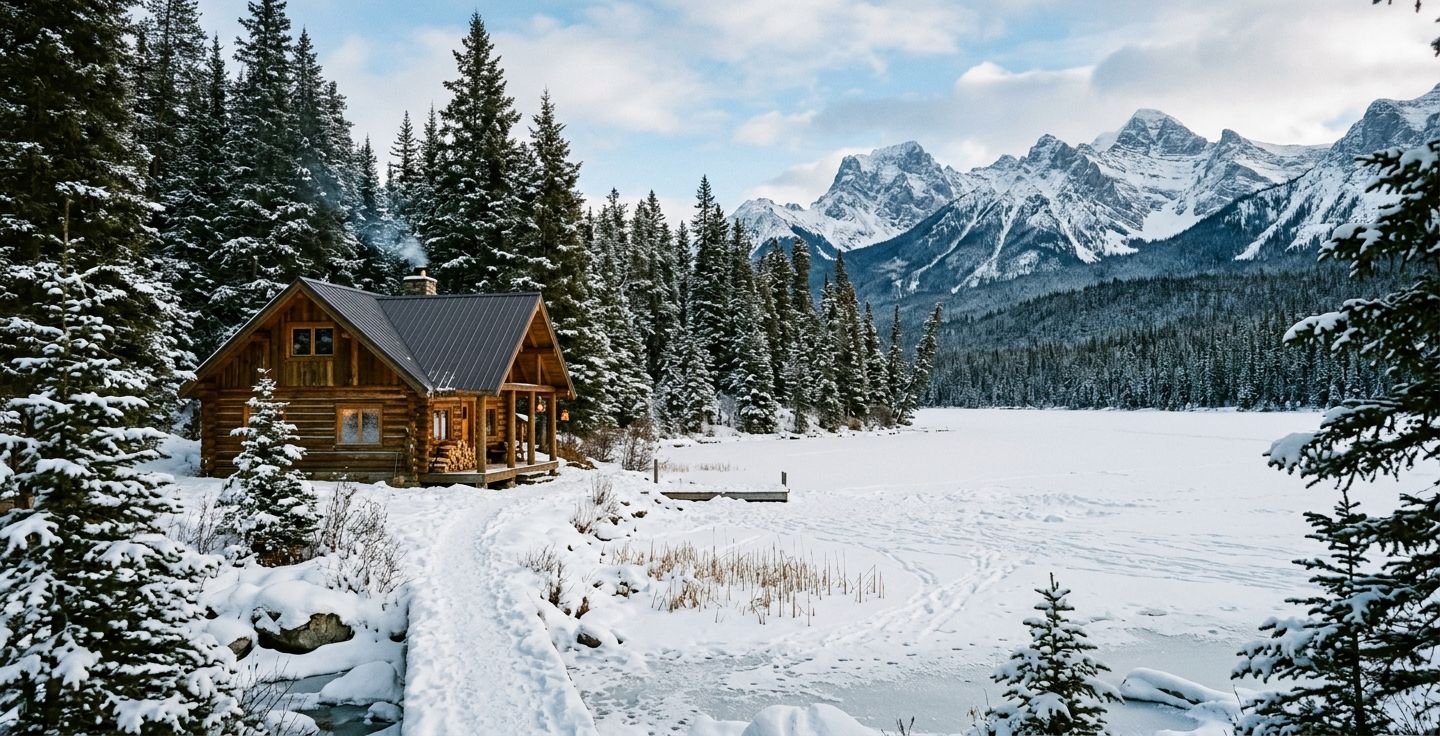
At the age of fifty one, an age when most men are thinking about retirement communities, Richard traveled to Twin Lakes. He took only hand tools. He cut down trees, peeled the logs, and built his own cabin from the ground up. He lived there, mostly alone, for thirty years. He documented the weather, the wildlife, and his own quiet thoughts. Richard’s life is a masterclass in self reliance. He proved that a man could still carve out a peaceful existence in a wild landscape. His life speaks to a massive, quiet yearning in the hearts of modern Americans. We all have a little bit of Richard inside us, whispering that maybe we could survive in the woods, too.
The Practical Rewards of the Wilderness
Of course, romance and ruggedness are not the only things paying the bills. There is a deeply practical side to life in the Last Frontier. The state actually pays its residents to live there. It sounds like a tall tale, but it is true. The Permanent Fund Dividend is a unique program that distributes a portion of the state’s oil revenue to every eligible resident. Whether you live in a modern apartment in Juneau or a rustic cabin off the grid, you get a share.
This fund was championed by Jay Hammond (1922-2005), a former governor who understood that the wealth of the land should benefit the people who brave its extremes. It is a financial cushion that helps offset the higher cost of living. Because let us be honest, shipping groceries and building supplies up north is not cheap. A gallon of milk can cost a small fortune in the remote villages. But the dividend helps. More than the money, it creates a sense of shared ownership. Everyone is invested in the success of the state.
A Community Forged in the Cold
People often think that those who head north hate society. They picture grumpy hermits hiding from the world. In my experience, that could not be further from the truth. The harshness of the environment actually forces people together. When the winter temperatures drop to forty below zero, you cannot survive entirely on your own. You need your neighbors. If your truck will not start, or your pipes freeze, or you run out of firewood, the person living a mile down the road becomes your lifeline.
Think about the famous sled dog races. Back in the nineteen sixties, snowmobiles were replacing dog teams. People thought the old ways were dead. But Joe Redington Sr. (1917-1999) saw things differently. Living in Knik, he knew the bond between a musher and their dogs was sacred. He worked tirelessly to create a long distance race to save the sled dog culture. Today, the race to Nome is known worldwide. Joe’s persistence shows how one passionate person can preserve the heritage of an entire state.
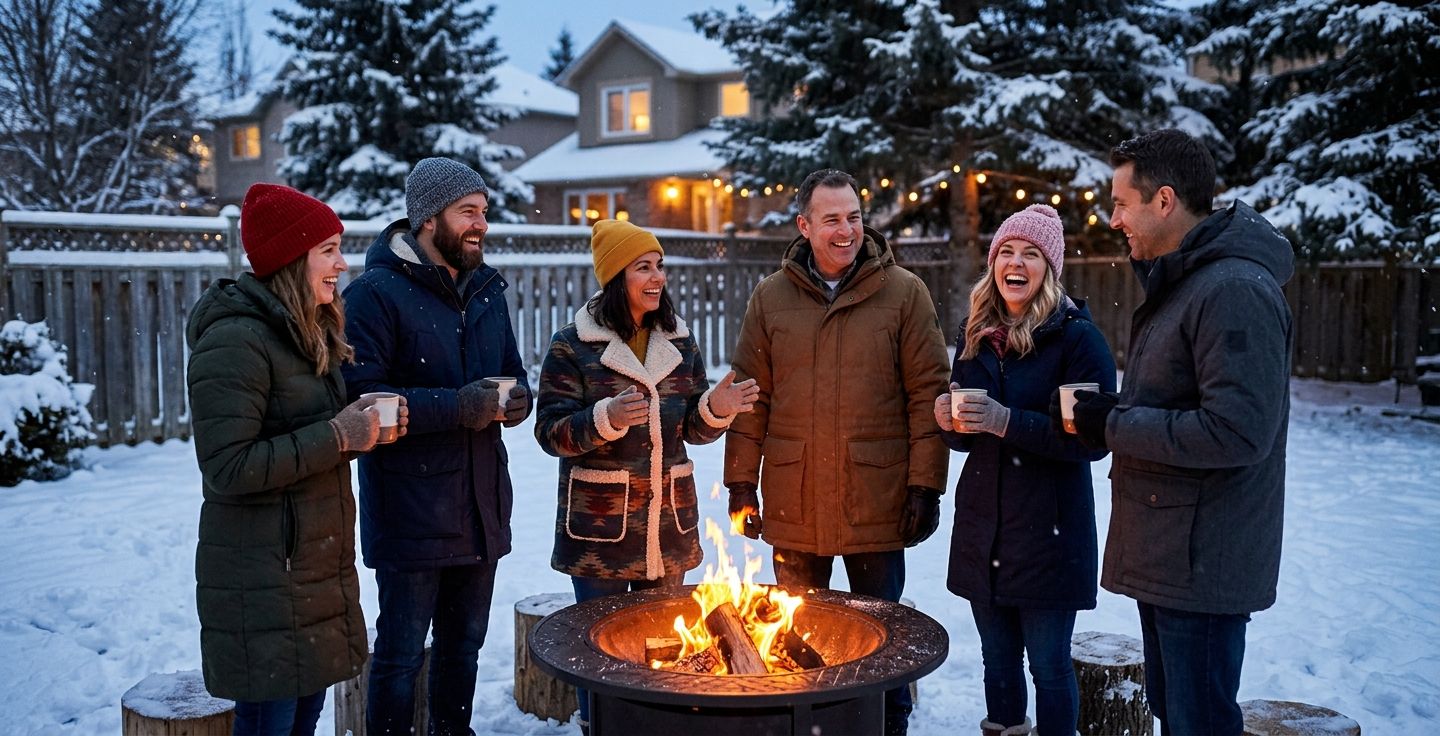
This brings back the old homestead mentality that built our nation. You help others, and they help you. It is a beautiful, necessary dependence. I watch the younger generations today, the young men and women in their thirties and forties. They are tired of superficial connections on their mobile phones. They want real community. They want friends who will show up with a chainsaw and a thermos of hot coffee when a tree falls across their driveway. That is what you find up there. You find a family made of tough, warm hearted strangers.
The Promise of Untouched Land
I have lived a long time, and I have seen many fads come and go. But the desire for wide open spaces is not a fad. It is a fundamental human need. As our cities continue to grow upward and outward, the value of untouched nature only increases. Alaska is our national savings account of wilderness. It is a guarantee that no matter how crowded the lower states become, there will always be a place where the mountains touch the sky without a skyscraper in sight.
To the younger folks reading this, I want to offer a word of hope. You are not trapped. If you feel like the world has been completely mapped out, you are wrong. There are still vast territories waiting for your footprints. There are still communities waiting for your energy and your ideas. The frontier is not closed. It just moved further north.
Taking the Leap
So, if you find yourself staring out the window at a grey office park, dreaming of snow capped peaks and endless summer days, do not ignore that feeling. Nurture it. Research the towns. Talk to the locals. Prepare yourself for the dark, cold winters, but also prepare yourself for the midnight sun. It takes grit to make the move. It takes a willingness to learn and adapt. But the reward is a life lived fully awake. You have the strength to do it. The great northern expanse is standing by, ready to welcome you home.