
American Lifestyle
What a Typical American Morning Routine Looks Like
Fibermaxxing For Maximum Efficiency T Shirt
Wear your story with pride! Celebrate classic American values, history, and heritage with our premium crafted apparel, designed for comfort and durability.
The Quiet Magic Before the World Wakes Up
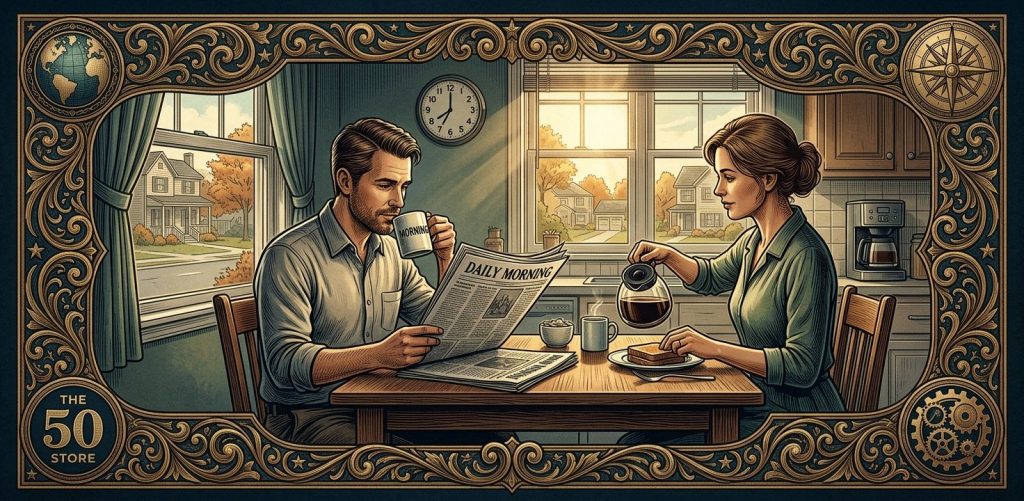
There is a particular kind of quiet that belongs only to the early morning. It is a fragile silence that rests over the neighborhood just before the sun breaks over the horizon. I have spent my entire life in this beautiful country, and I have watched countless dawns unfold from the vantage point of my front porch. The sky shifts from a bruised purple to a soft pink, and then finally to a brilliant, promising blue. The birds begin their gentle singing in the mature oak trees lining the street. For decades, the rhythm of these early hours has remained the most reliable foundation of our lives.
In the past, the morning was marked by the soft, heavy thud of a rolled newspaper landing on the concrete driveway. The neighborhood dogs would let out a tired bark, and a solitary milk truck might rumble softly down the avenue. Today, the newspaper is often replaced by the glowing screen of a smartphone, and the milk truck has long since vanished into memory. Yet, the essential spirit of the morning has not changed. We still rise from our beds. We still seek out the comforting scent of brewing coffee drifting from the kitchen. We still gather ourselves to face whatever challenges and triumphs the new day holds.
However, modern life has introduced a complicated rush into these sacred early hours. The world moves incredibly fast now, and we often find ourselves sprinting just to keep up. We stretch our working hours deep into the night, pushing our limits and sacrificing our rest. This relentless pace has profoundly altered our collective well being. A recent comprehensive survey conducted by the Sleep Foundation reveals a surprising and somewhat alarming truth. Nearly fifty percent of Americans report feeling deeply tired four to seven days a week. We are a nation that is chronically short on sleep. Furthermore, data from the National Coffee Association shows that sixty six percent of Americans drink coffee every single day, consuming hundreds of millions of cups collectively. We lean heavily on that dark, roasted fuel to jolt us into action. This constant rushing begs an important question. How did our morning habits evolve into this hurried state, and what does a typical morning actually look like for us today?

Fibermaxxing For Maximum Efficiency T Shirt
Wear your story with pride! Celebrate classic American values, history, and heritage with our premium crafted apparel, designed for comfort and durability.
Fibermaxxing For Maximum Efficiency T Shirt
Wear your story with pride! Celebrate classic American values, history, and heritage with our premium crafted apparel, designed for comfort and durability.
How History Shaped Our Early Hours
To truly understand our modern mornings, we must look backward at the quiet revolutions that shifted our national routines. There was a time, not so terribly long ago, when the rising and setting of the sun firmly dictated our sleep. We went to bed when it was dark, and we woke when the light returned. Then came Thomas Edison (1847-1931). When Edison perfected the practical incandescent light bulb in his brilliant laboratory in Menlo Park, New Jersey, he effectively gave us mastery over the night. We could read, work, and socialize long after dusk. But in gaining the night, we unknowingly sacrificed the natural peace of our mornings. We began staying up much later, which meant we had to rely on the jarring, mechanical ringing of alarm clocks to wake us from artificially shortened slumber. This one single invention fundamentally altered the biological rhythm of our entire society.
Then there is the matter of the breakfast table. If you stepped into an American kitchen a century ago, you would likely find a very heavy, labor intensive meal being prepared. Folks ate thick slabs of salted pork, fried potatoes, and dense, hearty breads. People worked physically demanding jobs on farms and in early factories, and they required massive amounts of calories to survive the grueling day. But as the country rapidly industrialized, more and more people moved from the fields into offices and shops. They needed a morning meal that was lighter, quicker, and easier to digest.
Enter a man named John Harvey Kellogg (1852-1943). Dr. Kellogg worked at a prominent health sanitarium in Battle Creek, Michigan. He was deeply interested in digestion and nutrition. While trying to create a healthy, easily digestible food for his patients, he and his brother accidentally left a batch of boiled wheat sitting out. When they forced it through rollers, it broke into crisp flakes. They soon applied this exact same process to corn, and the modern cold cereal industry was born. This seemingly small kitchen accident in a quiet midwestern town completely revolutionized how the world eats breakfast. Today, a quick, convenient bowl of cereal remains a beloved staple for millions of children and adults rushing to start their day.
The Steps of the Modern Morning
Knowing this rich history, what does the actual daily routine look like for most folks today? How do we balance the loud demands of our modern obligations with the quiet need for personal peace before stepping out the door?
Waking Up and Finding Focus
For the majority of working adults, the morning begins somewhere between six and seven o’clock. The very first action of the day is often reaching out blindly to silence the insistent beeping or musical chime of a smartphone alarm. Some hit the snooze button, desperate for just nine more minutes of rest. Others sit up immediately, rubbing the sleep from their eyes and stretching their aching shoulders. The bathroom is the next destination. Showers are turned on, filling homes with the comforting sound of rushing water and thick clouds of warm steam. Teeth are brushed, hair is combed, and faces are washed. It is a private, solitary ritual of preparation.
Nourishing the Body and Soul
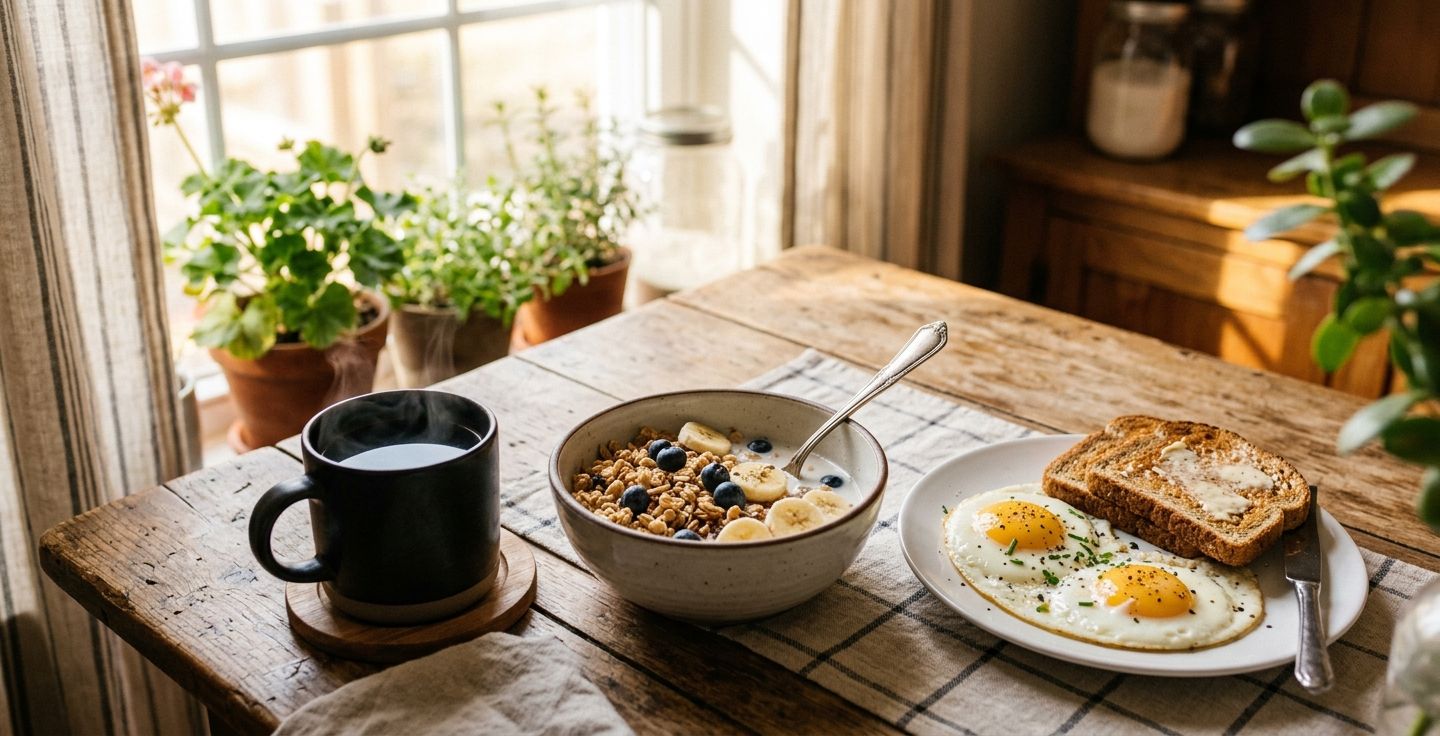
Next comes the journey to the kitchen. The kitchen has always been the beating heart of the American home. Even in our rushed era, it holds a special warmth. Some people still find the precious time to fry a couple of eggs, toast a slice of bread, and sit down to read the news. Others, pressed for time, simply grab a piece of fruit or a granola bar on their way out. But almost everyone takes a moment for a hot beverage. Wrapping your hands around a warm ceramic mug of coffee or tea is a small, necessary comfort. It provides a momentary pause, a brief second to gather your thoughts before the great race of the day officially begins.
The Great Migration to Work
After breakfast, the door locks click shut, and the commute begins. This brings to mind another visionary who permanently changed our landscape. When Henry Ford (1863-1947) began mass producing his affordable automobiles out of his massive plants in Dearborn, Michigan, he fundamentally created the modern American commute. Before Ford, most people lived within walking distance of their factories or small shops. Now, we travel miles upon miles. We slide into the driver’s seat. We turn the ignition. We listen to energetic morning radio shows, informative podcasts, or soothing music. We sit in lines of traffic, watching the red brake lights glow warmly through the morning mist, accompanied by the familiar sight of bright yellow school buses stopping at neighborhood corners.

Looking Forward with Hope
It is easy to look at our fast paced mornings and feel a sense of loss for simpler times. But I do not see it that way. When I watch the younger generations heading out into the world, I am filled with immense pride and profound hope. They spend their commuting time listening, learning, and preparing. They are discovering flexible new ways to work from their living rooms, blending the comforts of home with the ambitions of their careers. The American dream is still very much alive and well in these early hours. It simply wears a different suit of clothes and travels at a slightly faster speed. The determination, the grit, and the pure optimism of this country are renewed every single dawn.
Common Questions About Our Mornings
What is the most common time Americans wake up?
Is breakfast really the most important meal of the day?
How can I make my morning routine less stressful?
Embracing the Gift of a New Day
Our typical mornings are a fascinating blend of historical accidents, brilliant inventions, and steadfast human resilience. From the glowing light bulbs of New Jersey to the crispy cereal flakes of Michigan, our routines have been shaped by incredible innovation. Yet, underneath it all, the simple act of waking up and preparing for the day remains a deeply personal and meaningful ritual. Whether you are rushing out the door with a piece of toast or sitting quietly with a pot of coffee, you are participating in a grand, shared rhythm.
We have explored where our routines come from, how they look today, and how we can make them slightly better tomorrow. Now, I leave you with a question to ponder the next time you hold a warm mug in your hands. What is one small, joyful thing you can add to your morning routine tomorrow to make the start of your day absolutely wonderful?