
Culture & Traditions
The Morning Cup of Coffee: A Ritual That Built the Workday
Red White Brewed Eagle Beer T Shirt
Wear your story with pride! Celebrate classic American values, history, and heritage with our premium crafted apparel, designed for comfort and durability.
The Scent of Morning in America
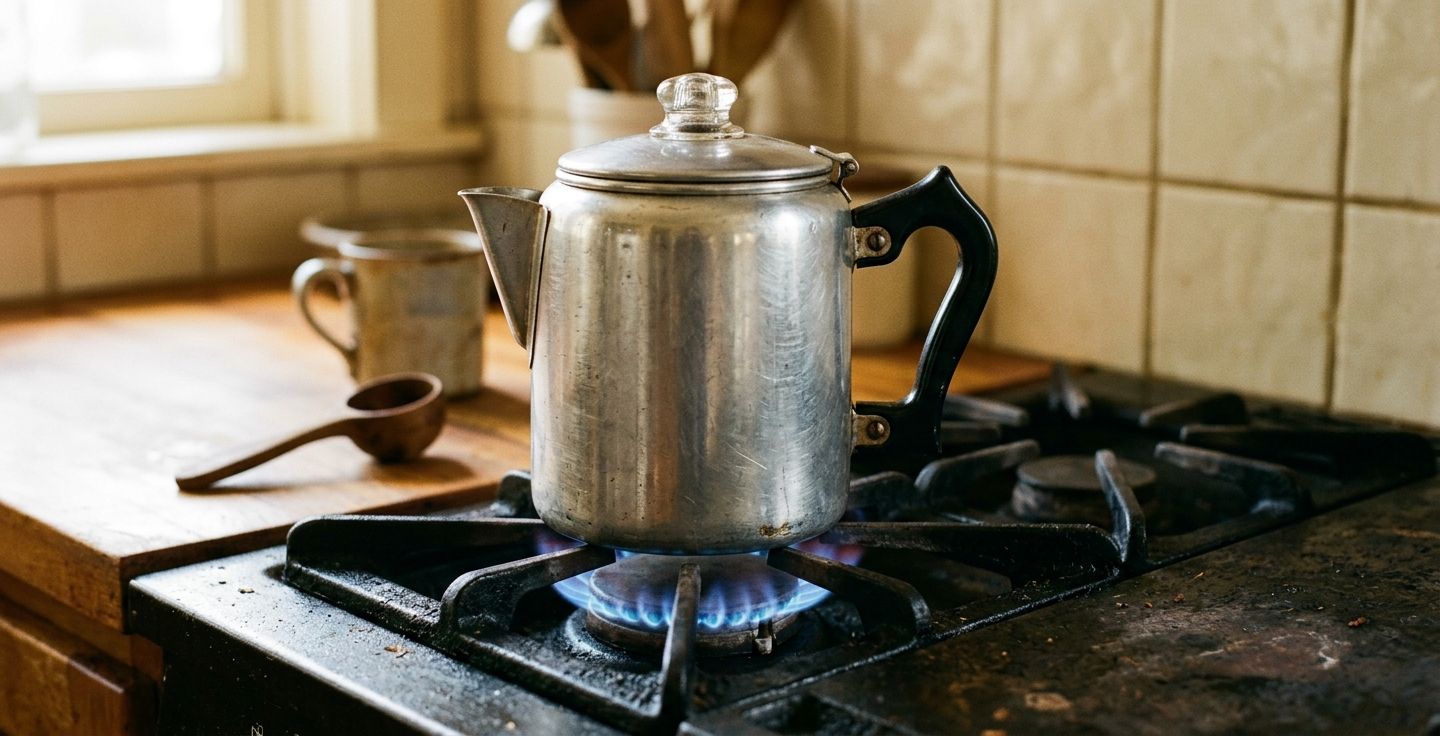
I can still close my eyes and hear the distinct, rhythmic sound of the aluminum percolator on the gas stove. It was a steady, comforting bubbling, a heartbeat echoing through the quiet rooms of our small home long before the sun decided to show its face. My mother would stand by the frost covered window, wrapping her hands around a thick ceramic mug, letting the gentle steam warm her face. That was my very first introduction to the quiet power of a simple roasted bean. For as long as I can recall, this dark and bitter liquid has been the faithful, silent companion of working men and women. Our modern workday is incredibly fast, highly structured, and demands our constant, unwavering attention from the very moment we arrive at our desks or factory floors.

Red White Brewed Eagle Beer T Shirt
Wear your story with pride! Celebrate classic American values, history, and heritage with our premium crafted apparel, designed for comfort and durability.
Red White Brewed Eagle Beer T Shirt
Wear your story with pride! Celebrate classic American values, history, and heritage with our premium crafted apparel, designed for comfort and durability.
The Machine and the Man
But here is the simple truth of the matter. We are made of flesh and bone. We are not cogs forged from steel, and we certainly are not machines that can simply be switched on at a moments notice. As our nation grew and towering factories began to dot the skyline, a difficult complication became entirely clear. The sweeping industrial revolution demanded far more energy and focus than our tired human bodies naturally wanted to give. For centuries, our ancestors woke slowly with the rising sun and rested gently when it set. Suddenly, society demanded shift work, bright electric lights, and relentless production quotas.
How did we bridge that vast, exhausting gap between our natural biological rhythms and the unyielding industrial clock? The answer did not come from a grand piece of legislation or a mechanical invention. The morning coffee became the bridge to our modern lives, providing the daily fuel that allowed everyday folks to meet the overwhelming demands of a rapidly changing world.
The Engine of Progress and Safety
It is truly fascinating to look at the numbers today. When we sit down at the breakfast table, we are part of a massive, shared routine. According to the National Coffee Association, sixty six percent of folks in our country drink coffee every single day. That translates to well over four hundred million cups consumed daily right across our nation. But here is the statistic that truly surprised me recently. Researchers studying overnight shift workers found that those who engage in a scheduled caffeine routine experience a dramatic forty percent reduction in cognitive errors on the job.
A simple warm drink literally prevents mistakes, protects workers, and keeps people remarkably safe around heavy machinery. The experts at the Harvard School of Public Health even noted that drinking a few cups a day lowers the risk of depression by twenty percent. It seems this dark brew does not just wake up our tired bodies. It actively protects our minds and lifts our weary spirits. It drives our productivity in ways we rarely stop to appreciate in our busy lives.
A Small Street in Brooklyn That Woke Up a Nation
If we truly want to understand the modern workday ritual we hold so dear, we have to look back at a man named John Arbuckle (1839-1912). In the difficult days following the Civil War, making a decent pot of coffee was a terrible, labor intensive chore. People had to buy heavy sacks of green coffee beans at the local general store. They would take those green beans home and roast them in a heavy iron skillet over a wood burning stove. Most mornings, those beans ended up burnt to a crisp on one side and completely raw on the other. It tasted like bitter ash, and it took precious time that hardworking folks simply did not possess.
John Arbuckle changed all of that forever. He operated a small, ambitious business down in Brooklyn, New York. He had a simple but brilliant idea that altered American mornings permanently. He wondered why he could not just roast the beans right there in his factory, package them securely in sealed paper bags, and sell them completely ready to brew. He invented a special sugar and egg glaze to keep the roasted beans incredibly fresh inside the paper packaging. He proudly called his new blend Ariosa.
Suddenly, the American worker did not have to stand over a hot skillet at four in the morning. Cowboys on the dusty western cattle trails and steelworkers in the noisy eastern cities could just boil water and brew a perfect, consistent cup every single time. A single small street in Brooklyn effectively woke up an entire nation, giving everyday folks a fighting chance against the heavy demands of the clock.
The Glow of the Diner Window
In the decades that followed, the culture of coffee moved out of the private kitchen and onto the bustling city streets. I fondly remember the golden age of the American diner. There was always a friendly diner on the corner, its neon sign glowing softly through the early morning fog. Inside, the warm air smelled of bacon grease, toasted rye bread, and strong dark roast. You would sit at a long Formica counter. A waitress in a crisp uniform would walk by with two glass pots, one with an orange handle for decaf and the other with a black handle for regular.
Those diners were true sanctuaries in a rapidly moving society. They were warm havens for the weary traveling salesman, the long haul truck driver with miles to go, and the night shift nurse just getting off her tired feet. You could sit down right next to a complete stranger, both of you staring into the dark reflection of your ceramic mugs, sharing a quiet, unspoken understanding. The outside world was harsh and demanding, but in that diner, everything was completely alright for a few peaceful minutes. It was a special place where the wealthy businessman and the local mechanic drank the exact same brew.
The Birth of the Coffee Break
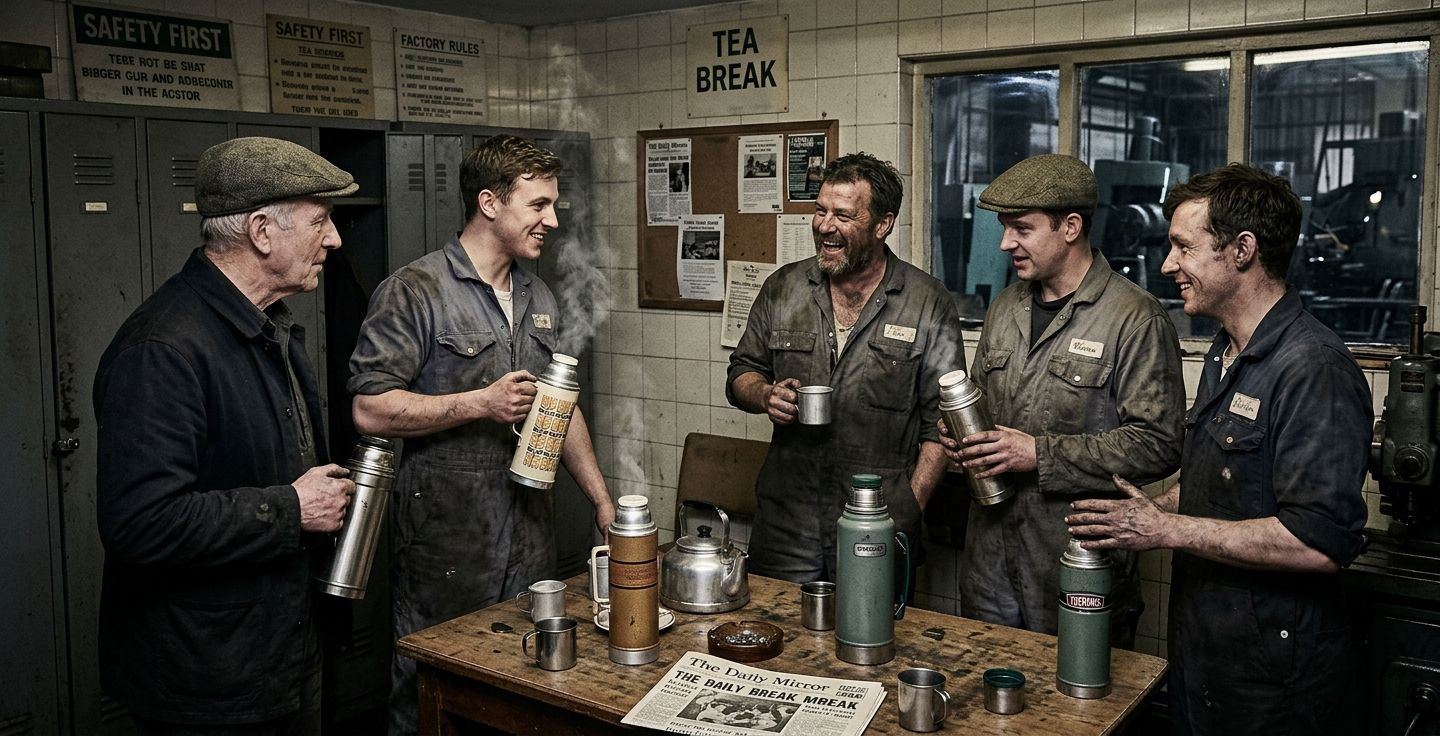
As the years rolled on, this morning necessity blossomed into something much more structural and protected. It evolved into the official coffee break. I remember my early days working at the local auto parts plant in the nineteen sixties. The loud factory whistle would blow exactly at ten in the morning. The massive machinery would spin down to a low, comforting hum. We would all quickly gather around the drafty break room. Heavy metal thermoses would unscrew, thick steam would rise into the cold air, and we would simply talk to one another.
We talked about our growing children, the local baseball scores, our ongoing struggles to pay the mortgage, and our quiet hopes for the coming weekend. That short pause in the day gave us our dignity back. It reminded us that we were human beings, sharing a difficult physical task together. Corporate managers eventually realized that giving workers ten minutes to drink a hot beverage actually made them work better and safer for the rest of the day. But for us working on the floor, it was never about working faster. It was about pure human connection. It was about warming our rough hands before heading back to work.
Passing the Mug to the Next Generation
I look at young people today, and my heart swells with a profound quiet hope. The vessels have certainly changed over the years. Our grandchildren carry tall plastic cups of iced coffee, sweet lattes made with oat milk, and elaborate cold brews. They sit in brightly lit modern cafes with their shiny laptop computers glowing brightly in front of them. Yet, when I sit quietly in the corner and watch them, I see the exact same beautiful ritual playing out day after day.
They gather together. They sip their drinks. They prepare their minds for the complex challenges of their own workday. They still seek out that brief moment of comfort before the world asks them to perform and produce. The baton has been successfully passed, and they are carrying it forward beautifully. They face a world that is far more complicated and demanding than the one I grew up in, but they are handling it with remarkable grace. The future of our great country is in very good hands.
Frequently Asked Questions About Our Favorite Brew
Let me take a moment to address a few things I often hear folks wondering about when we discuss our favorite morning companion.
Did people always drink coffee in the morning?
Not at all. For a very long time in our early history, folks actually drank weak cider or ale with their morning meals. Water was often unsafe to drink, so fermented beverages were the safest choice. It was not until the early nineteenth century, as global trade expanded and coffee became much cheaper, that it replaced cider as the morning drink of choice for the average family. It was easier to prepare, provided a much needed burst of energy, and was perfectly safe to drink because the water had to be boiled.
Who officially invented the coffee break?
While workers have paused for rest since the dawn of time, the specific term was heavily promoted by the Pan American Coffee Bureau in the nineteen fifties. They ran a massive advertising campaign to encourage folks to rest. However, specific factories in the nineteen forties had already begun writing formal rest periods into their union contracts to reduce workplace accidents and give folks a fair chance to catch their breath. The coffee break was born out of a genuine need to protect workers from physical exhaustion.
Why did old diners use such thick ceramic mugs?
Those heavy mugs were designed for absolute durability and heat retention. Diner owners needed cups that could survive being dropped, banged against hard counters, and washed countless times a day. The incredibly thick walls also kept the liquid piping hot for much longer than thin china. This allowed customers to sit, relax, and chat with their neighbors without their drink turning unpleasantly cold too quickly.
The Bottom of the Cup
When we look back at the history of our working lives, it is abundantly clear that coffee is much more than just a simple grocery item. It was the crucial bridge that helped us adapt to the harsh demands of the industrial age. It gave us dedicated men like John Arbuckle, who innovated to make our early mornings just a little bit easier. It built the bustling, welcoming diner culture that brought complete strangers together, and it carved out a small window of much needed rest in the middle of exhausting factory shifts. The roasted bean helped build the American workday, cup by cup, and generation by generation.
As you wake up tomorrow and pour your own first cup, whether it comes from a fancy modern espresso machine or a simple drip pot on the counter, take a moment to smell the rising steam. Think about the millions of workers who have stood exactly where you stand, looking out the very same morning window. What small, quiet routine helps you find your own footing before you open the front door and face the busy world?