
Culture & Traditions
How Food Portions Reflect American Culture
I have spent my entire life watching this beautiful country change, grow, and reshape itself in countless, fascinating ways. I have seen dirt roads paved into multi-lane highways. I have watched quiet neighborhoods blossom into bustling city centers over the decades. Yet, of all the shifts I have witnessed from my front porch, few are as telling as the changes that have taken place right on our kitchen tables. We are a nation that loves to eat. We celebrate with grand feasts, we mourn with comforting casseroles, and we bond over Sunday barbecues in the backyard. For a very long time, our relationship with our meals was grounded in necessity and community. The food was hearty. The fellowship was genuine. A meal was a quiet anchor in the busy day.
However, a quiet complication slipped into our daily routines. The physical amount of food we were served began to expand. It was a slow creep that happened right under our noses. Before we knew it, the modest servings of my childhood had ballooned into towering mounds of fries and steaks draping over the edges of the porcelain. This brings us to a fascinating question. How did our meals get so unbelievably big, and what does this shift really say about who we are as a people? The answer is a compelling tale of commerce, psychology, and the uniquely American desire for abundance.
Grill Chill And Freedom BBQ T Shirt
Wear your story with pride! Celebrate classic American values, history, and heritage with our premium crafted apparel, designed for comfort and durability.
The Shocking Truth About Our Changing Plates
If you look at the raw numbers, the reality is quite startling. I was reading a report published by the Centers for Disease Control and Prevention recently, and the statistics truly stopped me in my tracks. A standard restaurant meal today is nearly four times larger than it was in the nineteen fifties. Think about that for a moment. Four times the amount of food for a single person in one sitting. It is a staggering reality that we have simply accepted as normal.
The changes are visible in almost everything we consume on a daily basis. A typical bagel sold at a local bakery twenty years ago had a three-inch diameter and contained roughly one hundred and forty calories. Today, that same morning staple is nearly twice as large. Our morning coffee cups have undergone a similar, drastic evolution. We used to sip our simple black coffee from modest eight-ounce ceramic mugs. Now, it is entirely normal to see people carrying giant paper buckets holding thirty-two ounces of liquid. These surprising facts highlight how dramatically portion sizes have shifted in a single lifetime.
It is enough to make you pause and reflect. We went from eating to feel satisfied to eating simply because the food was there in front of us. But this was not an accident. It was a calculated shift driven by brilliant marketing and a deep understanding of human psychology.

Grill Chill And Freedom BBQ T Shirt
Wear your story with pride! Celebrate classic American values, history, and heritage with our premium crafted apparel, designed for comfort and durability.
Grill Chill And Freedom BBQ T Shirt
Wear your story with pride! Celebrate classic American values, history, and heritage with our premium crafted apparel, designed for comfort and durability.
The Man Who Invented the Jumbo Size
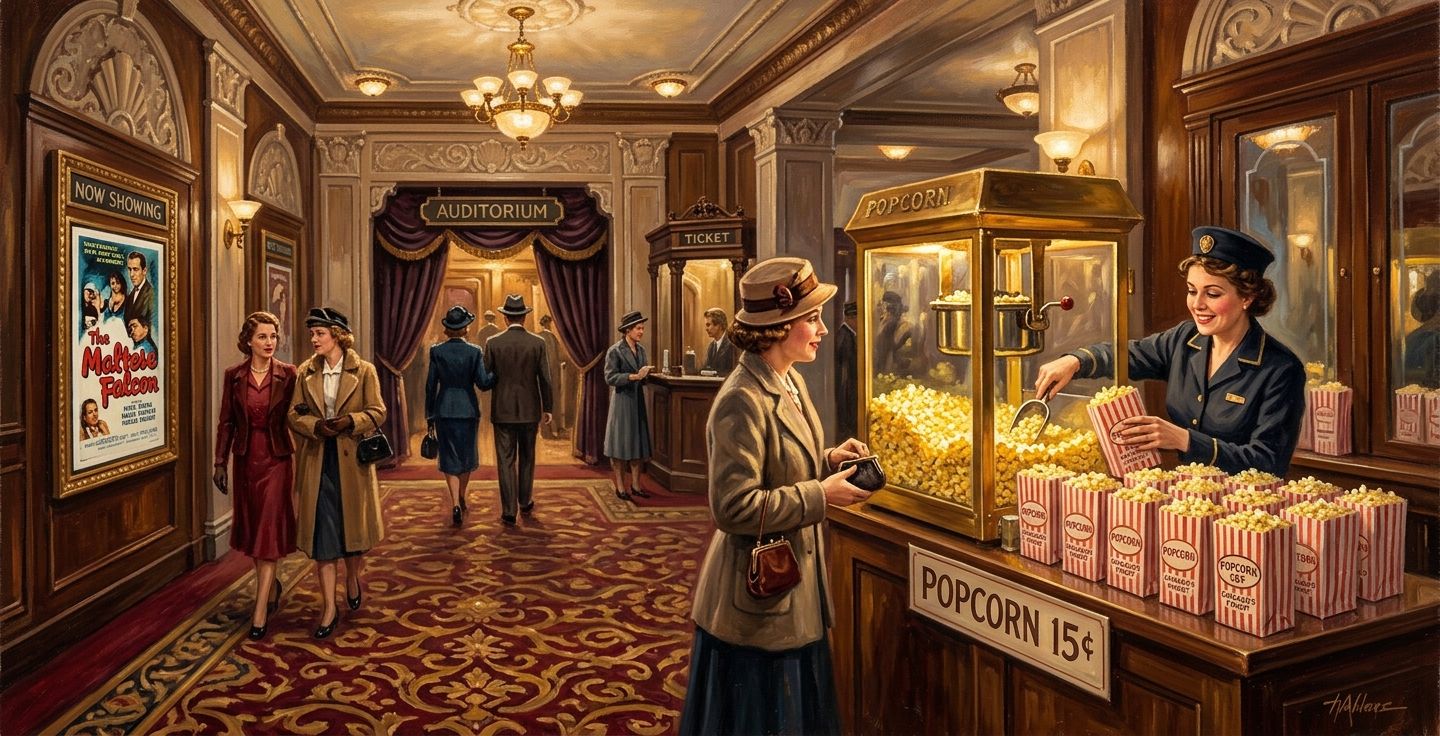
To really understand this shift in American culture, we need to look at a small story that caused a massive national change. We must look at the story of a man named David Wallerstein (1913-1993). Wallerstein was a shrewd observer of human behavior. He worked as a manager for a prominent chain of movie theaters located in Chicago, Illinois during the late nineteen sixties.
His job was to figure out how to sell more snacks and beverages at the concession stands. He noticed a very peculiar habit among the eager moviegoers. People absolutely loved the theater popcorn. It was perfectly salty, heavily buttered, and incredibly addictive. Patrons would easily finish a whole bag before the opening credits even finished rolling. Yet, when they went back to the lobby, they absolutely refused to buy a second bag.
Wallerstein spent weeks quietly observing this phenomenon. He finally realized that buying two bags of popcorn made people feel overly greedy. It felt like a gluttonous indulgence that society frowned upon. Nobody wanted to be seen holding two bags of snacks just for themselves. It was a barrier built entirely in the mind of the consumer.
His solution was astonishingly simple, but it completely revolutionized the food industry forever. Wallerstein introduced the very first jumbo size. By offering one enormous bucket, customers could buy significantly more popcorn without the nagging guilt of making two separate purchases. They were only buying one single item. The strategy worked like absolute magic. Sales skyrocketed overnight, and people happily carried their massive buckets into the dark theaters.
Wallerstein later took this exact same philosophy to a massive fast-food burger chain. He convinced their leadership to offer larger sizes of french fries and sodas. The concept of supersizing was born right then and there. It played perfectly into our natural desire for value. If you can get double the food for just a few extra pennies, it feels like a personal victory. We loved a good bargain back then. We certainly still do today.
The Shrinking White Space on the Plate
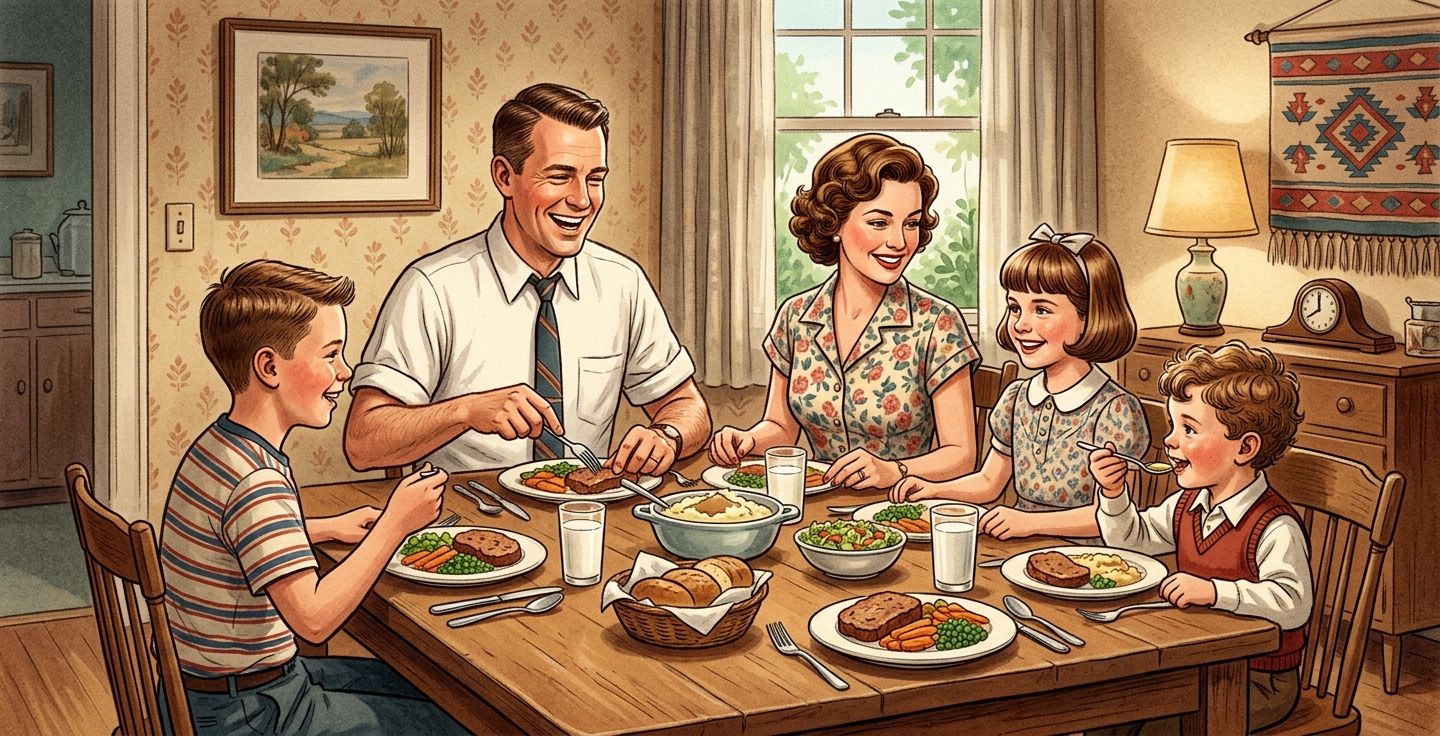
This mentality of bigger being better eventually trickled all the way down from the fast-food counters right into our own dining rooms. I remember the beautiful dinnerware my mother used when I was a boy. The standard dinner plate back in the nineteen forties and fifties measured roughly nine inches across. When my mother served a Sunday roast, there was plenty of white space left on the clean porcelain. The sliced meat, the roasted potatoes, and the buttered green beans did not touch each other. There was breathing room on the dish.
Today, if you go to a home goods store to buy a new set of dishes for your family, the standard plate size is twelve inches across or even larger. That extra three inches might not sound like a lot on paper. However, it completely changes the total volume of food required to make a plate look comfortably full. Our eyes constantly deceive our stomachs. We feel compelled to fill every single inch of empty space, simply because the space is there.
When you look at the famous, nostalgic paintings by Norman Rockwell (1894-1978), particularly his iconic piece titled Freedom from Want, you can see exactly what I mean. He perfectly captured the essence of an American Thanksgiving gathering. The roasted turkey on the table is large and magnificent, but the individual plates sitting in front of the family members are quite modest. There is a strong sense of proportion. There is a profound sense of dignity in the serving.
Over time, that wonderful sense of proportion slowly faded away. The sheer abundance that was once reserved strictly for holidays and special celebrations became the daily expectation for a regular Tuesday night. Every single weekday dinner had to look like a grand feast. We started associating the physical weight and volume of our food with the depth of our love and hospitality. We equated serving more food with caring more for our guests.
A Return to Reason and Balance
But I am not telling you all of these things to sound pessimistic about our future. In fact, I feel incredibly hopeful when I look at the younger generations growing up today. I see a beautiful, encouraging shift happening all around us. My grandchildren, and their intelligent friends, are starting to ask the right questions. They are growing tired of the excessive, overwhelming heaps of fast food.
They are actively seeking a true healthy balance in their daily lives. You can easily see it in the way they choose to shop for their groceries. They are visiting vibrant, local farmers markets in historical places like Lancaster, Pennsylvania. They are asking the farmers directly about where their food comes from and how it is grown. They are learning to savor a smaller piece of high-quality, locally raised beef instead of a massive, flavorless slab of meat from a factory.
This brilliant new generation understands a fundamental truth that we temporarily forgot. True value is not found in the sheer volume of a meal. True value is found in the genuine nourishment it provides, the ethical and careful way it was grown, and the profound joy of sharing it with someone you deeply love. They are gracefully returning to the old ways, but they are bringing a fresh, highly informed perspective with them. It makes this old heart very glad to witness this beautiful cycle returning to its roots.
Frequently Asked Questions
Why did restaurant meals get so large in America?
Restaurants realized that basic food ingredients were relatively cheap compared to their labor and real estate costs. By offering much larger servings for a slightly higher price, they could give customers a strong sense of value while significantly increasing their own profit margins. It simply became a very powerful marketing tool.
How can I control my meal sizes at home?
One of the absolute simplest methods is to start using smaller dishes for your meals. Returning to a nine-inch or ten-inch dish naturally limits the amount of food you can easily serve yourself. It effectively tricks the brain into feeling completely satisfied because the dish visually appears to be entirely full.
Is the national trend of supersized food finally ending?
Yes, there is a very promising and encouraging shift occurring right now across the country. Many popular food companies and local restaurants are beginning to offer smaller, much more health-conscious options. The younger generations are proudly leading a movement towards high quality and environmental sustainability over sheer volume.
Looking Forward to the Next Supper
When we take the time to trace the history of our meals, we are truly tracing the unique history of our society. We slowly went from enjoying modest suppers to living in an era of unbridled abundance, driven by clever business tactics and our own natural desire for a good bargain. We supersized our plates, our cups, and our daily expectations. But as I have learned over my long life, the pendulum always swings back to the center. The deep desire for a mindful, healthy approach to eating is blossoming once again across the nation. We are finally relearning that bigger does not always mean better. Sometimes, a smaller, thoughtfully prepared meal shared with our closest loved ones is the greatest value of all.
As you sit down at the table for your next dinner, I invite you to take a moment to look closely at your plate. What kind of story is it telling you, and how will you shape the beautiful meals of tomorrow for the ones you love?