
American Sports & Pastimes
Hunting Culture and the American Relationship to the Land
Spring and autumn are the twin heartbeats of the American landscape. When the deep winter frost finally yields, the sweet smell of freshly turned dirt signals the glorious arrival of baseball opening day. When the lush green leaves of summer turn to brittle gold and crimson, that same crisp air calls folks out to the deer stands, the duck blinds, and the quiet woods. For generations, the rhythm of our lives was perfectly synchronized with what the land offered us. We learned the virtues of patience and stillness in the hunting woods, and we learned the value of teamwork on the dusty diamonds carved right out of the local pastures. The land was our greatest teacher. It still is.
Yet, things move considerably faster now. The ancient woods are sometimes paved over for sprawling shopping centers. The old, familiar dirt fields are frequently replaced by sterile synthetic turf. It is easy to look around at the glowing screens and the hurried pace of modern life and wonder if we are losing our grip on the very soil that shaped us. Are we forgetting the feel of rough tree bark and fine infield dust? How do we hold onto that deep, quiet connection to the American land, and more importantly, how do we pass it down to the kids growing up today?
The answer lies in the living traditions we pass down to the young ones. The hunting culture and our local ball games are not just trivial pastimes. They are our profound way of teaching respect for the earth. Now, you might be surprised to hear just how vital this connection remains today. The U.S. Fish and Wildlife Service reports that hunters are actually the primary financial engine for land conservation in this country. Through specific excise taxes on their gear, they quietly generate over a billion dollars every single year to protect natural habitats for all wildlife. That is a staggering contribution born directly from a love of the outdoors. Meanwhile, groups like the Aspen Institute note that children who are actively engaged in outdoor community sports events and nature-based activities display vastly lower rates of anxiety and depression. The land still heals us. It still provides for us, if we only take the time to step outside and let it.
Sweet American Summer Bomb Pop T Shirt
Wear your story with pride! Celebrate classic American values, history, and heritage with our premium crafted apparel, designed for comfort and durability.
The Field in the Woods
Let me tell you a story about a little slice of ground in Williamsport, Pennsylvania. Back in the warm summer of 1938, a thoughtful man named Carl Stotz (1910-1992) was sitting quietly on his porch. He watched his young nephews stumbling over a makeshift base path in an empty lot full of rough brush and jagged rocks. Those kids were trying their hardest to play the same game the big leaguers played, but the land had not been prepared for them. The wildness of the empty lot was winning. Carl decided to change that reality. He gathered up some willing neighbors, cleared the overgrown field, smoothed the earth, and laid the permanent groundwork for robust youth baseball programs. That seemingly small act of shaping the earth for the benefit of the children was the absolute spark of little league baseball history.
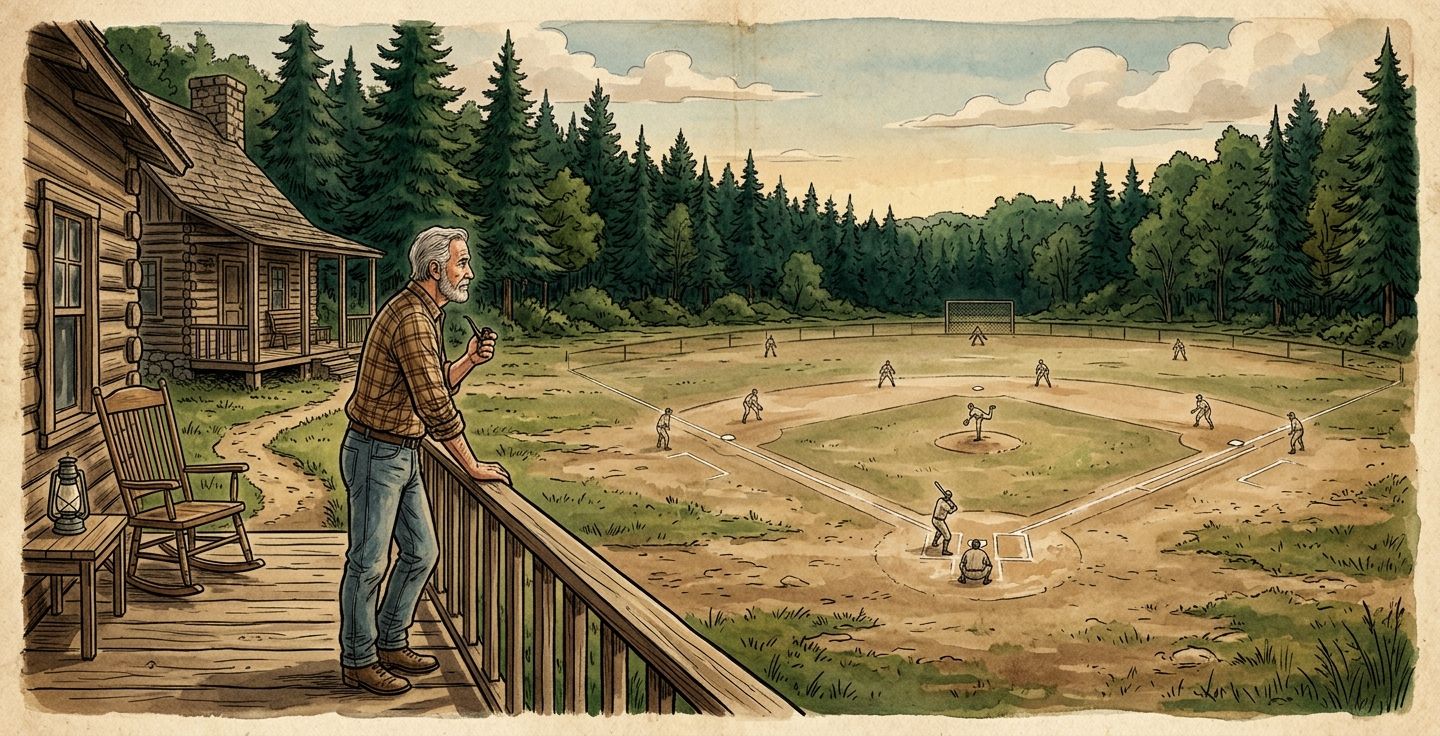
Carl did not just build a baseball diamond that summer. He built an enduring bridge between the wild, forested hills of Pennsylvania and the organized joy of community. Today, millions of eager children play across various little league divisions worldwide. And it all started with one man looking at a patch of rough dirt, feeling a connection to his community, and seeing a brighter future.
Sweet American Summer Bomb Pop T Shirt
Wear your story with pride! Celebrate classic American values, history, and heritage with our premium crafted apparel, designed for comfort and durability.
Sweet American Summer Bomb Pop T Shirt
Wear your story with pride! Celebrate classic American values, history, and heritage with our premium crafted apparel, designed for comfort and durability.
The Gathering Places of Small Towns
Our relationship with the land is tightly woven into the daily fabric of our small towns. Think about the bustling local baseball tournaments that pop up like dandelions every summer. They are not merely about winning a plastic trophy or a cheap medal. They are a vital gathering of the entire community. The dedicated little league parents set up their folding chairs on the damp morning grass. The wonderful smell of hot dogs and roasted peanuts from the wooden concession stand drifts lazily over the aluminum bleachers. The local radio broadcasts crackle to life in garages and kitchens across the county, calling the game for the folks who could not make the drive. It is a shared, communal experience rooted right there in the local soil.
The traditional hunting camp serves a remarkably similar purpose in the deep autumn months. Families and friends gather in old wooden cabins nestled deep in the timber. They tell grand stories, chop firewood under the moonlight, and walk the exact same trails their grandfathers walked decades before. Both the hunting camp and the community baseball field teach us true humility. A wary wild turkey will outsmart you nine times out of ten. A sharp curveball will leave you swinging at the empty air. In both arenas, you learn to accept failure gracefully, dust the dirt off your trousers, and try again tomorrow.
These shared outdoor spaces reflect shifting small town demographics, yet the core, fundamental values remain entirely steady. Families from all conceivable walks of life stand shoulder to shoulder during festive small town parades. They celebrate joyous small town festivals that honor the local harvest, the opening morning of hunting season, or the much-anticipated start of the baseball year. I vividly recall the autumn Apple Festival in our town, where hunters in camouflage and kids in dusty baseball jerseys mingled happily around the cider press. Even in the bitter cold months, rigorous baseball off season training keeps the youth firmly grounded. They practice throwing and hitting in drafty old barns or echoey community centers, patiently waiting for the heavy snow to melt and reveal the green grass once more.
The Mentors Who Shape the Earth
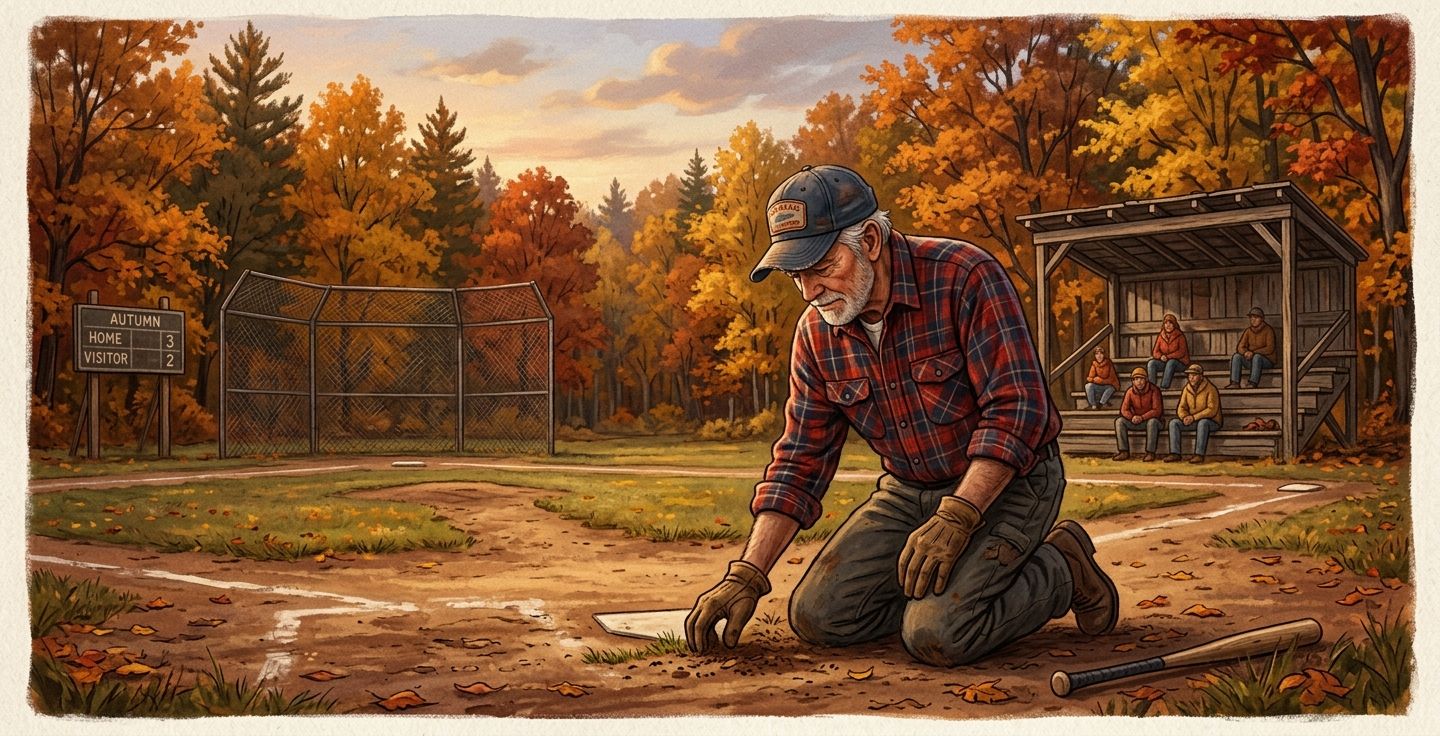
I remember a fine fellow from a neighboring town, a deeply dedicated man among the local little league coaches. He was a lifelong farmer and an avid bow hunter. He treated the infield dirt with the exact same reverence and care he had for his sprawling cornfields and his quiet hunting grounds. He taught the young boys and girls that the playing field was alive. You rake the dirt gently, you water it properly, you care for it, and in return, it gives you a beautiful, safe place to play the game. When the highly competitive little league regional tournaments rolled around, our manicured field was the absolute pride of the entire county. The land always responds to love. Whether you are carefully planting food plots to help the deer survive the bitter winter or meticulously chalking the crisp foul lines for a championship game, you are actively stewarding the earth.
When the sticky heat of August finally arrives, the whole country excitedly turns its eyes to the grand spectacle of the little league world series. But the real, lasting magic does not happen under the bright television lights. The real magic happens on a thousand quiet, unnamed fields scattered across America. It happens when a loving grandfather takes his eager grandson out into the silent woods long before dawn, sitting quietly against a massive oak tree, watching the woods slowly wake up. It happens when a mother teaches her daughter how to track a fly ball against a bright blue sky. The land connects the generations, binding us together in ways that screens and modern conveniences simply never could.
Common Questions About Our Enduring Outdoor Traditions
Do children today still genuinely care about hunting and outdoor sports?
Yes, they absolutely do. While it is certainly true that digital screens demand a significant amount of attention these days, youth participation in hunting, fishing, and outdoor sports has seen a wonderful, heartening resurgence. Many families are actively looking for healthy ways to unplug from the noise. When you take a curious child into the hushed woods or out to a local grassy field, their natural wonder takes over completely. They just need the warm invitation and a patient guide.
How do local sports directly impact small rural communities?
Local sports act as the very heartbeat of a town. They bring together wonderful people who might never cross paths otherwise in their daily routines. The shared, uplifting goal of supporting the youth fosters immense, unbreakable community pride. Furthermore, it significantly boosts the local economy, especially when towns band together to host large tournaments that bring in visiting teams, supporting local diners, gas stations, and motels.
Can we successfully balance modern development with crucial land conservation?
We absolutely can, but it requires deliberate, unified effort from all of us. We must fiercely protect our green spaces, whether they are pristine, untouched hunting habitats or simple neighborhood parks. Visionary figures like Theodore Roosevelt (1858-1919) taught us long ago that conservation is a vital civic duty. We honor that sacred duty every single time we stand up to keep a patch of woods wild, or fight to keep a community baseball field open for the next generation.
Looking Warmly Toward the Future
We have walked slowly through the quiet woods together, and we have rounded the dusty bases. We have seen firsthand how our enduring relationship to the land shapes our national character. The rugged hunting trails teach us quiet respect, immense patience, and sturdy self-reliance. The open baseball fields teach us community, teamwork, and beautiful resilience. Both of these cherished traditions rely entirely on the healthy earth beneath our feet.
We have a beautiful, profound responsibility. The young ones coming up behind us are eager, bright, and highly capable. They will soon inherit the dense woods, the open fields, and the bustling small towns. It is our joyous job to take them outside. Teach them the subtle difference between a towering oak and a sweeping elm. Show them exactly how to cleanly scoop a fast ground ball. Let them hear the satisfying crunch of dry autumn leaves beneath their boots and the sharp, echoing crack of a solid wooden bat.
To sum up what we have shared here today:
- Our deep historical connection to the American land is wonderfully preserved through shared outdoor traditions like hunting and local sports.
- Community spaces ranging from rustic hunting cabins to well-groomed baseball diamonds foster resilience and teach incredibly valuable life lessons.
- Hunters and dedicated outdoor enthusiasts remain the leading financial contributors to vital wildlife conservation efforts.
- The beautiful legacy of caring individuals who lovingly cultivated local spaces continues to benefit millions of young people today.
The rich soil of this beautiful country has held the footprints of those who came long before us, and it is more than ready to lovingly hold the nimble footprints of our beloved grandchildren. We just have to point them in the right direction, offer a hand, and walk beside them.
What is one small, simple way you can help connect a young person in your life to the great outdoors this coming week?