
American History & Origins
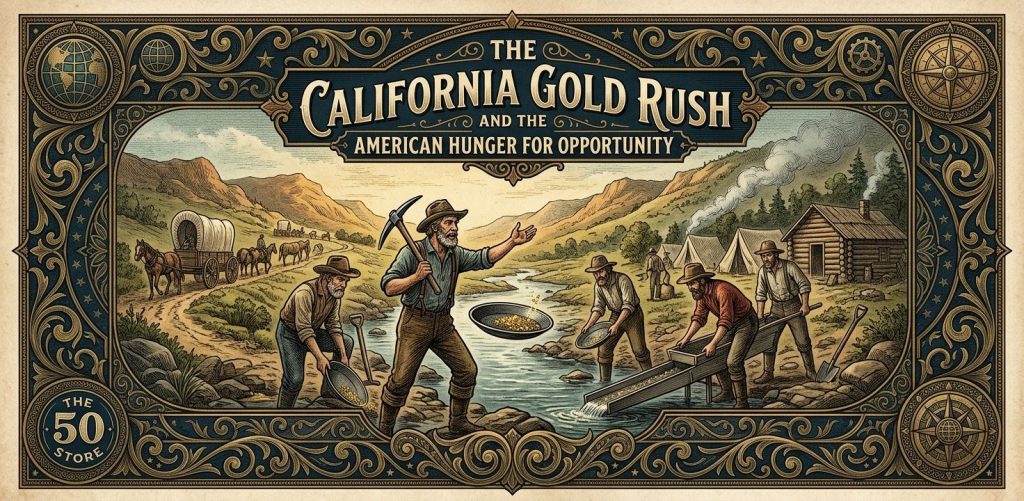
The California Gold Rush and the American Hunger for Opportunity
The Call of the West
I sit on my porch these days, watching the sun dip behind the hills, and my mind drifts back to a time when the whole nation seemed to hold its breath for a glint of yellow metal. I was a boy then, hearing tales from travelers who’d crossed plains and mountains, all chasing the same dream. That dream was the california gold rush, a chapter that still shapes how we think about american opportunity and the restless spirit that drives us forward.
Attention: A Whisper That Became a Roar
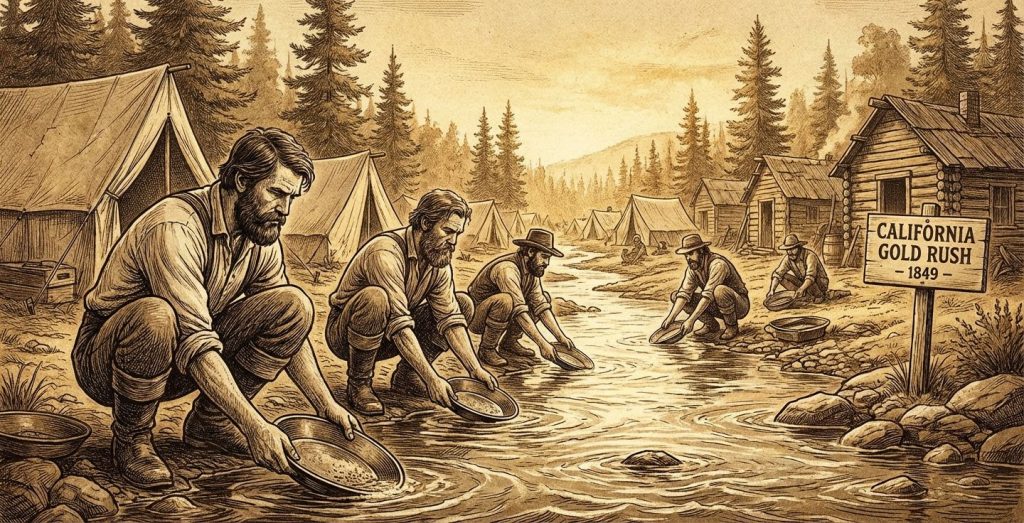
It all began with a simple discovery at a sawmill. In January 1848, James W. Marshall (James W. Marshall (born 1810, died 1885)) found shiny flakes in the tailrace of Sutter’s Mill near Coloma. Word spread like prairie fire, and soon the cry of “Gold! Gold! Gold!” echoed from the Atlantic seaboard to the Mississippi.
Interest: Numbers That Stun
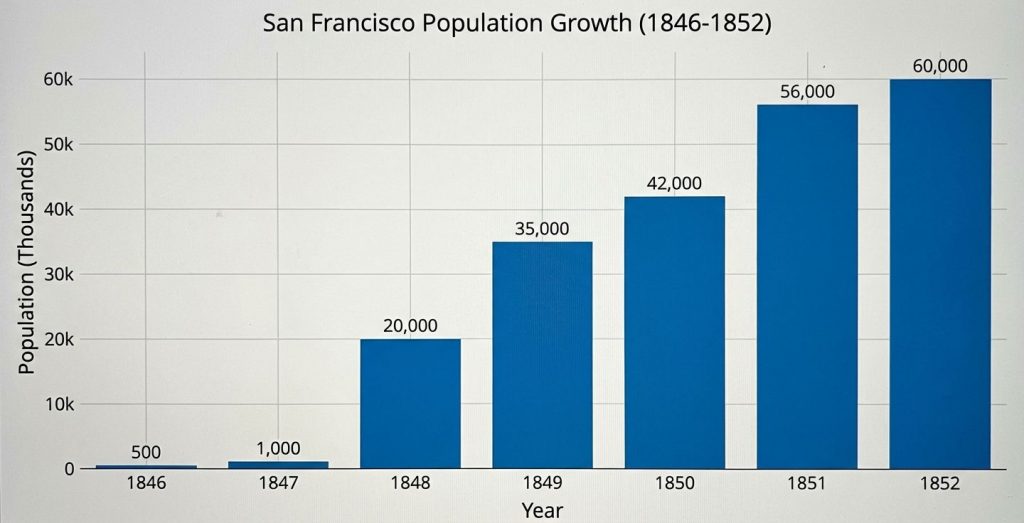
Let me share a few figures that still amaze me. In 1846, fewer than 1,000 non‑Native souls called California home. By 1852, over 250,000 people had arrived, drawn by the promise of riches. San Francisco, once a tiny settlement of about 200 residents, swelled to more than 36,000 by 1850—a growth rate that dwarfed any city in the East. The total value of gold extracted during the peak years exceeded $2 billion in today’s dollars, fueling an economic boom that helped finance railroads, factories, and schools across the young nation. These numbers come from the U.S. Census Bureau and the California State Library, sources that have tracked the surge with care.
Desire: The Hunger Behind the Rush
What pushed ordinary farmers, clerks, and even women to leave everything behind? It was more than gold. It was the belief in manifest destiny—the idea that the United States was meant to stretch from sea to shining sea. The westward expansion was not just about land; it was about the chance to rewrite one’s story. Families sold their farms, artisans packed their tools, and adventurers booked passage on clipper ships or joined wagon trains, all hoping to strike it rich.
Think of a young woman named Luzena Stanley Wilson (Luzena Stanley Wilson (born 1819, died 1902)), who traveled with her husband and children to Sacramento in 1849. She opened a boarding house for miners, cooked meals, and saved enough to later start a successful ranch. Her story shows how the rush opened doors for gold rush women who found independence in a rugged land.
SCQA: Situation, Complication, Question, Answer
Situation: After the Mexican‑American War, the United States possessed vast western territories, yet many Americans felt confined by the crowded cities and limited farms of the East.
Complication: The journey to California was perilous. Travelers faced cholera, hostile encounters, and the daunting trek across the Sierra Nevada. Meanwhile, Native American tribes saw their homelands overrun, leading to painful native American displacement that still echoes today.
Question: What could possibly motivate tens of thousands to risk life and limb for a uncertain promise?
Answer: The lure of instant wealth, the hope of owning land, and the belief that personal effort could change destiny. The discovery at Sutter’s Mill turned a abstract idea of opportunity into a tangible, glittering goal.
The Reality of Mining Life
Not everyone found fortune. Most miners worked long hours in freezing water, panning for flecks or digging deep shafts. Towns sprang up overnight—canvas tents, wooden saloons, and makeshift stores. A typical mining camp might host a few hundred souls, with prices for flour and bacon soaring as supply struggled to keep up with demand.
When the easily reached gold played out, many faced the harsh truth of boom and bust cycles. Towns that once bustled with activity became ghost towns, their wooden buildings silent witnesses to dreams that faded.
Environmental Footprint
The rush left scars on the land. Hydraulic mining washed away entire hillsides, choking rivers with sediment and poisoning farmland downstream. This environmental degradation prompted early calls for conservation, a conversation we continue to have today.
Transportation and the Rise of Cities
The need to move people and goods spurred advances in transportation to california. Steamships reduced the sea voyage from months to weeks, while the Panama shortcut cut the journey dramatically. Overland, the Pony Express and later the transcontinental railroad linked the coast to the interior, turning San Francisco into a gateway for trade and immigration.
If you look at modern California tourism, you’ll see remnants of that era preserved in Old Sacramento, Marshall Gold Discovery State Historic Park, and the bustling streets of Fisherman’s Wharf, places where history feels alive.
Questions Readers Often Ask
- Did women really participate in the mining work?
While few women swung picks in the creeks, many ran businesses that supported the camps—boarding houses, laundries, and stores. Their entrepreneurship was vital to the economy.
- What happened to the Native populations?
Estimates suggest that the Indigenous population of California fell from about 150,000 in 1845 to fewer than 30,000 by 1870 due to disease, starvation, and violence, a tragic cost of the rush.
- Did the gold rush affect the national economy?
Absolutely. The influx of gold increased the money supply, helped fund the Union during the Civil War, and stimulated industries ranging from textiles to machinery.
Summary: Lessons From a Golden Era
The california gold rush was more than a scramble for precious metal. It was a massive economic transformation that accelerated westward expansion, tested the nation’s ideals of liberty and opportunity, and reminded us that progress often carries both shine and shadow. We learned that bold dreams can build cities, but they also demand responsibility toward the land and the people who call it home.
As we look to the future, what new frontiers call to us today, and how will we pursue them with both ambition and care?