
American History & Origins
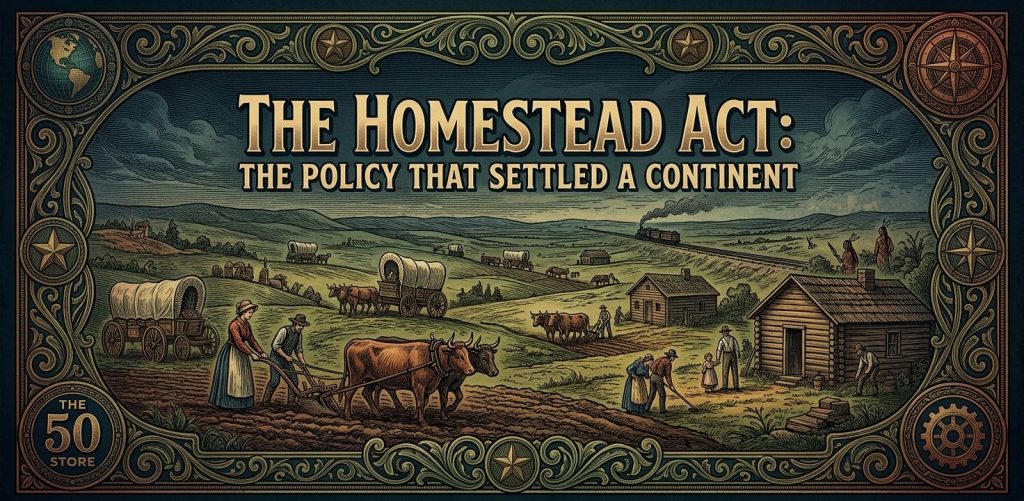
The Homestead Act: The Policy That Settled a Continent
Introduction: A Promise Written in Dust
I remember sitting on the porch of my grandfather’s farmhouse, listening to the wind whistle through the wheat stalks as he told me how a single sheet of paper changed the fate of a nation. That paper was the Homestead Act of 1862, a law signed by President Abraham Lincoln (1809-1865) that turned wild prairie into home for millions. In my voice, I want to share not just the dates and numbers, but the feel of hope that rose with the sunrise over a freshly turned sod.
Interest: The Numbers That Stun
Let me share a few figures that still make my eyes widen. By 1900, over 1.6 million homestead claims had been filed, covering roughly 270 million acres – about ten percent of all land in the United States. Imagine that: a piece of paper promising 160 acres to anyone willing to improve it, and in return, a flood of families heading west with nothing but a wagon and a dream. The National Archives notes that nearly sixty percent of those claims were eventually proven up, meaning the settler built a home, dug a well, and planted crops for five years.
Another surprising tidbit comes from the Census Bureau: in 1870, the population of the Plains states was less than half a million; by 1910 it had surged to over six million. That growth wasn’t just numbers; it was children laughing in schoolhouses, churches raising their steeples, and towns popping up where only buffalo once roamed.
Desire: Why the Act Mattered Then and Now
Now, let’s turn to the heart of the matter. The Situation was simple: after the Civil War, the nation needed to bind its wounds and populate the vast territories acquired through purchase and treaty. The Complication arose because much of that land lay unused, deemed too risky for investment without settlers to defend and develop it. The Question that policymakers asked was: how could we encourage ordinary citizens to take a chance on the unknown? The Answer came in the form of the Homestead Act, offering a tangible stake in the soil to anyone who would work it.
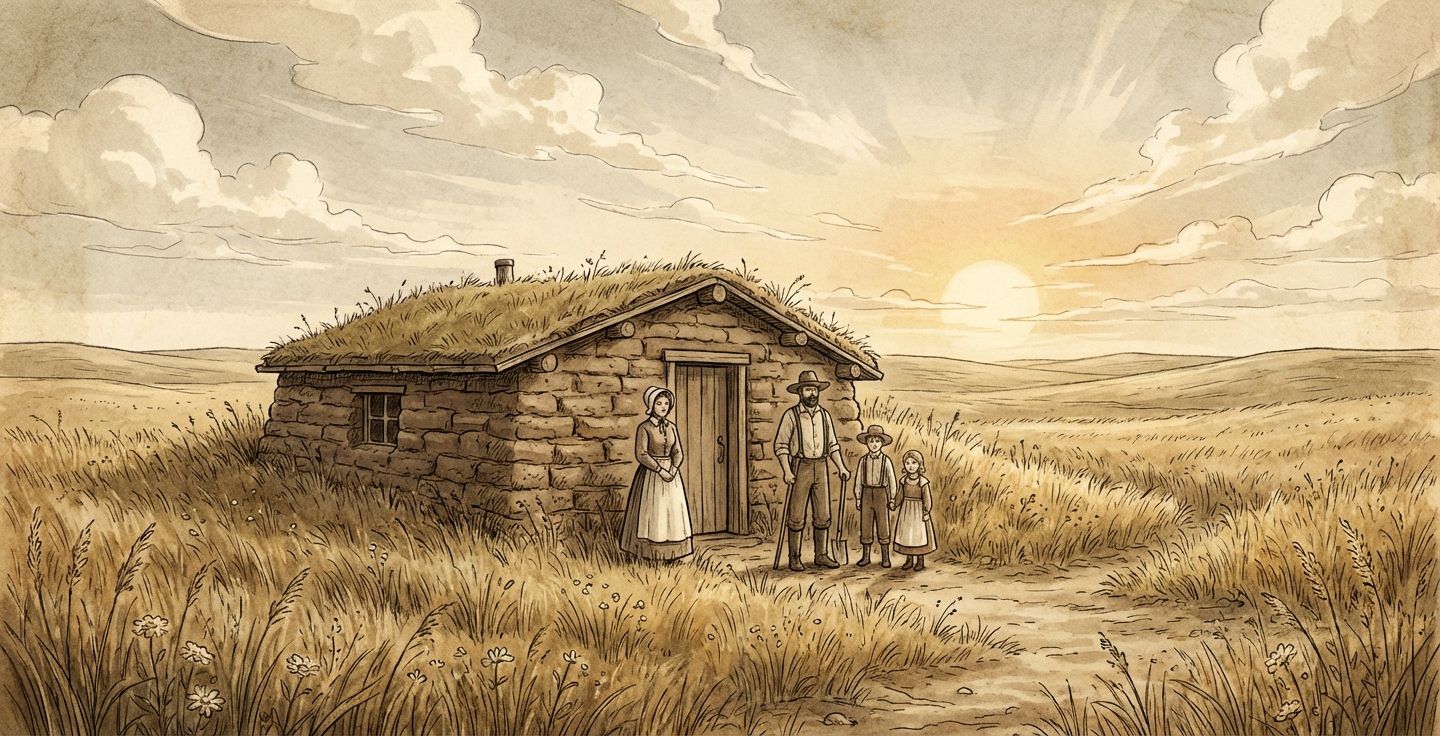
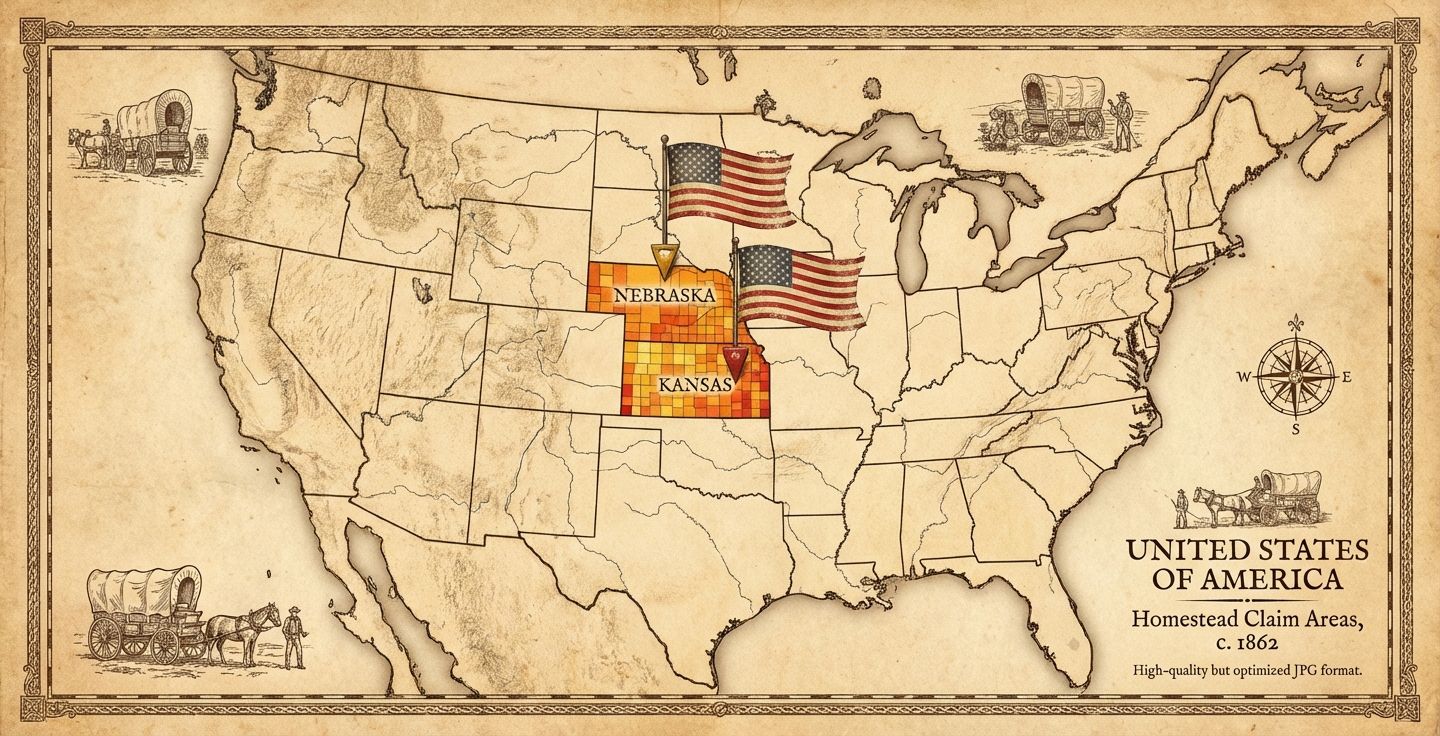
Think of a young couple from Ohio, let’s call them Martha and Elias Hearn, who in 1868 packed their belongings into a covered wagon. They crossed the Mississippi, followed the Platte River, and stopped near what we now know as Kearney, Nebraska. There they filed their claim, built a sod house, and raised three children who later taught in the local school. Their story is a micro‑history of the larger trend: ordinary people turning uncertainty into legacy.
Action: How You Can Connect With This Legacy
If the tale of the Hearns stirs something in you, there are ways to keep that spirit alive today. First, visit a local heritage museum or a national park that interprets homesteading life; many sites still have original cabins and farming tools on display. Second, try tracing your own family tree—you might discover an ancestor who filed a claim, and you can honor their perseverance by sharing their story at a family gathering. Third, support policies that encourage responsible land stewardship, remembering that the act’s success depended not just on taking land, but on caring for it.
Questions and Answers
Did the Homestead Act really give land to anyone?
Almost. The law required the claimant be at least 21 years old or the head of a household, a citizen or have filed for citizenship, and never to have borne arms against the United States. Women, immigrants, and formerly enslaved people could qualify, though many faced extra hurdles in practice.
What happened to the land that wasn’t claimed?
Much of it stayed under federal control, later becoming national forests, parks, or Indian reservations. Some tracts were sold to railroads or speculators, which is why you’ll see odd checkerboard patterns of ownership on old maps.
Are there any original homestead documents I can view?
Yes. The National Archives in Washington, D.C., holds the original case files, and many have been digitized. You can search them online by name or location.
Summary: The Enduring Gift of Soil
To wrap up, the Homestead Act was more than a statute; it was an invitation to ordinary people to shape their destiny. It brought surprising statistics—over 1.6 million claims, millions of new residents, and a transformation of the Plains from emptiness to community. Through micro‑histories like the Hearns, we see the human courage behind the numbers. The act taught us that when we give people a genuine stake in the ground, they will build homes, schools, and futures that last generations.
Now I leave you with a question: If you were given 160 acres of untouched land today, what would you build first, and how would you hope it would serve your family and community a hundred years from now?