
American Lifestyle
Why Americans Move Cities So Often
Sweet American Summer Bomb Pop T Shirt
Wear your story with pride! Celebrate classic American values, history, and heritage with our premium crafted apparel, designed for comfort and durability.
A Familiar American Symphony
I sit by my front window most mornings with a warm cup of coffee in my hand. I watch the neighborhood slowly wake up to the morning sun. Every spring and summer, without fail, a big yellow rental truck backs into someone’s driveway down the block. The sound of heavy metal ramps clanking against the pavement is a uniquely American symphony. It is the sound of a fresh, clean start. It is the sound of boundless, unyielding hope. For as long as I can possibly remember, through wars and peace, through economic booms and quiet recessions, we have been a people on the move. We meticulously wrap our fragile china plates in yesterday’s newspaper. We load our heavy wooden dressers with collective groans and nervous laughter. We look back one last time at an empty living room, sweeping the dusty floor out of sheer respect for the beautiful memories made there, before proudly turning our eyes to the open road ahead.

Sweet American Summer Bomb Pop T Shirt
Wear your story with pride! Celebrate classic American values, history, and heritage with our premium crafted apparel, designed for comfort and durability.
Sweet American Summer Bomb Pop T Shirt
Wear your story with pride! Celebrate classic American values, history, and heritage with our premium crafted apparel, designed for comfort and durability.
The Rising Costs and the Heavy Hearts
This rhythm of packing up and heading out is woven deeply into our cultural fabric. It is a long, familiar situation we have known for centuries. We always hear the gentle whisper of the next town over. We constantly feel the pull of a different climate or a different landscape. But I will admit, things feel a bit different today. It is substantially harder to move now than it was when I was a young man. The prices of starter homes are sky high. The cost of living climbs relentlessly every single year, making a fresh start feel like an impossible luxury for some working families. Moving across state lines requires a small fortune in fuel, security deposits, and hidden fees. It also brings a quiet, heavy loneliness. You leave your dearest friends behind. You leave the local grocer who knows your name and your regular order. You leave the comforting shade of the beautiful oak tree you planted in your front yard a decade ago.
Why We Keep Chasing the Sun
So why do we keep doing it? Why do we voluntarily put ourselves through the backache of lifting awkward cardboard boxes and the heartache of saying tearful goodbyes? The answer is simple but incredibly profound. We are perpetually chasing the sun. We are hunting for a better life. We move because strict economic necessity demands it. We move because the pursuit of happiness requires forward motion. Even when times are tough, we are propelled by an unyielding, resilient spirit of optimism. We fundamentally believe that tomorrow can be better than today if we are just willing to walk toward it.
Surprising Statistics of Our Restless Nation
You might think people are staying put these days. The evening news often talks about folks feeling stuck in their current situations. But let us look at the actual numbers. The statistics are quite surprising when you study them closely. According to data from the United States Census Bureau, the average American will move about 11.7 times in their lifetime. That is a truly staggering figure. Compare that to our steadfast friends over in Europe. Many folks across the pond might move only three or four times before they settle down for good.
Even in recent years, despite high interest rates and global worries, our old engines kept running. In 2021 alone, nearly 27 million Americans packed their belongings and officially changed their addresses. That means roughly eight percent of our entire population decided to start over in a single twelve month period. To put that into perspective, it is as if the entire population of Texas decided to stand up and walk to a different part of the map. It is a massive, ongoing wave of human movement that defines exactly who we are as a society.
Canvas, Denim, and the California Dream
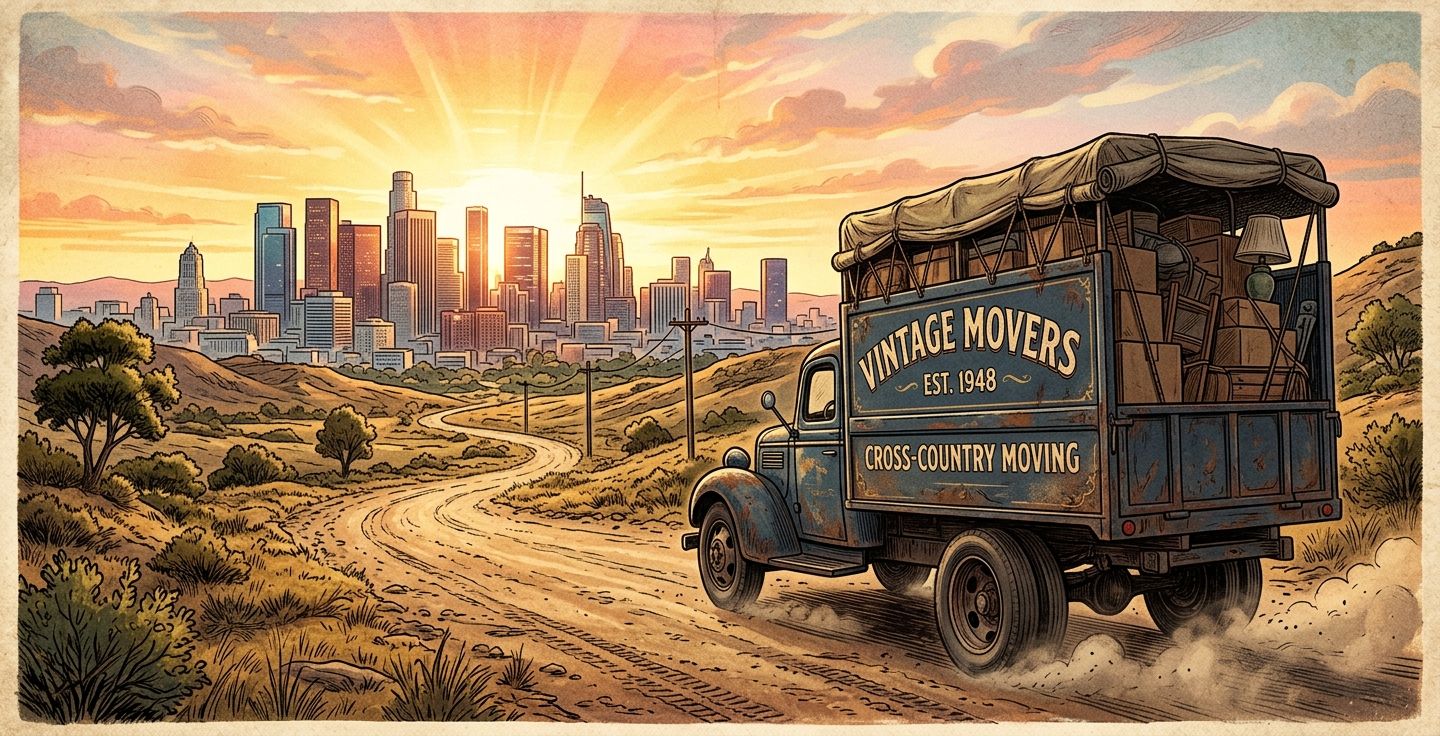
To truly understand this restless spirit, we must look backward into our history. Think about the mid nineteenth century. A young immigrant named Levi Strauss (1829-1902) arrived in New York from Bavaria. He could have comfortably stayed on the East Coast. He could have lived out his days in a crowded and established city that was already bustling with commerce. But he heard wild rumors of gold. He heard magnificent stories of a booming population on the complete opposite side of the country. He did not just take a quick train ride. He endured a long, grueling journey across the continent, facing unpredictable weather and treacherous terrain before finally arriving at the golden shores of San Francisco.
He set up his small business near the busy docks of Battery Street, right in the beating heart of the action. He sold canvas tents and later heavy denim trousers to the rough and tumble miners who worked from dawn until dusk. This is just a small, simple micro-history of one merchant selling tough pants to weary laborers. Yet, it perfectly explains a massive national change. The famous Gold Rush was not merely about pulling shiny rocks from the muddy river dirt. It was about regular, everyday people taking an enormous risk for a chance at true prosperity. Levi did not find gold in the riverbed. He found it by seeing a human need and deciding to fill it. His story is the timeless story of moving cities for new opportunities. It is the exact same story of every brave family that loads a moving van today.
The Modern Reasons We Migrate
This same burning desire fuels our American mobility right now, even in the modern age. We do not move just for the beautiful scenery, although a nice view of the mountains is certainly a welcome bonus. We move for love. We move to find a modest house with a green backyard where the family dog can run freely. We move to be closer to aging parents who need our help and companionship. We move across states to find better, safer school districts for our growing children. Every single cardboard box we painstakingly tape shut is a hopeful investment in tomorrow. We are laying down strong bricks to build a solid foundation for future generations to stand upon securely.
Poetry in Motion: The Great Migration
We also move to find safety and to finally discover ourselves. Consider the remarkable life of the great writer Langston Hughes (1901-1967). He was born right in the heart of the country. He moved to Lawrence, Kansas as a young boy, then up to the industrial hum of Cleveland. He watched the world change from the windows of rumbling trains. Finally, he found his true, spiritual home among the vibrant avenues of Harlem, New York. His personal journey was just a tiny, singular drop of water in the massive tidal wave known as the Great Migration. Millions of African Americans bravely left the rural South and the quiet Midwest. They moved to busy northern cities looking for reliable factory jobs in the steel mills and auto plants. More importantly, they moved looking for welcoming neighborhoods where they could breathe a little easier, speak their minds freely, and live without constant fear.
Hughes walked the crowded streets of Harlem and listened to the energetic jazz pouring out of open apartment windows. He deeply heard the beautiful, complex rhythm of his people. He turned that specific rhythm into powerful poetry that permanently changed American literature. One young man bravely moved to a new neighborhood. That simple, quiet act helped spark the legendary Harlem Renaissance. A small personal choice created a magnificent cultural explosion. That is the true magic of packing your bags and taking a leap of faith. You absolutely never know what wonderful things you will create when you finally unpack them in the right place.
Flexible Roots and Open Roads
We are a beautiful patchwork quilt of travelers. I have seen countless good neighbors come and go from my quiet street. I have happily helped carry heavy, awkward sofas down steep, narrow staircases. I have shared tearful parting hugs and promised to write long, handwritten letters. Some folks look at this and think this constant moving makes us rootless. They think we lack deep, meaningful connections to the soil beneath our feet. I respectfully disagree completely. I think our roots are just wonderfully flexible. We learn to carry our roots with us wherever we happen to wander. We plant them eagerly in community gardens in brand new towns. We plant them in the wooden pews of new neighborhood churches. We plant them in the metal bleachers of new little league baseball fields.
A Blessing for the Journey Ahead
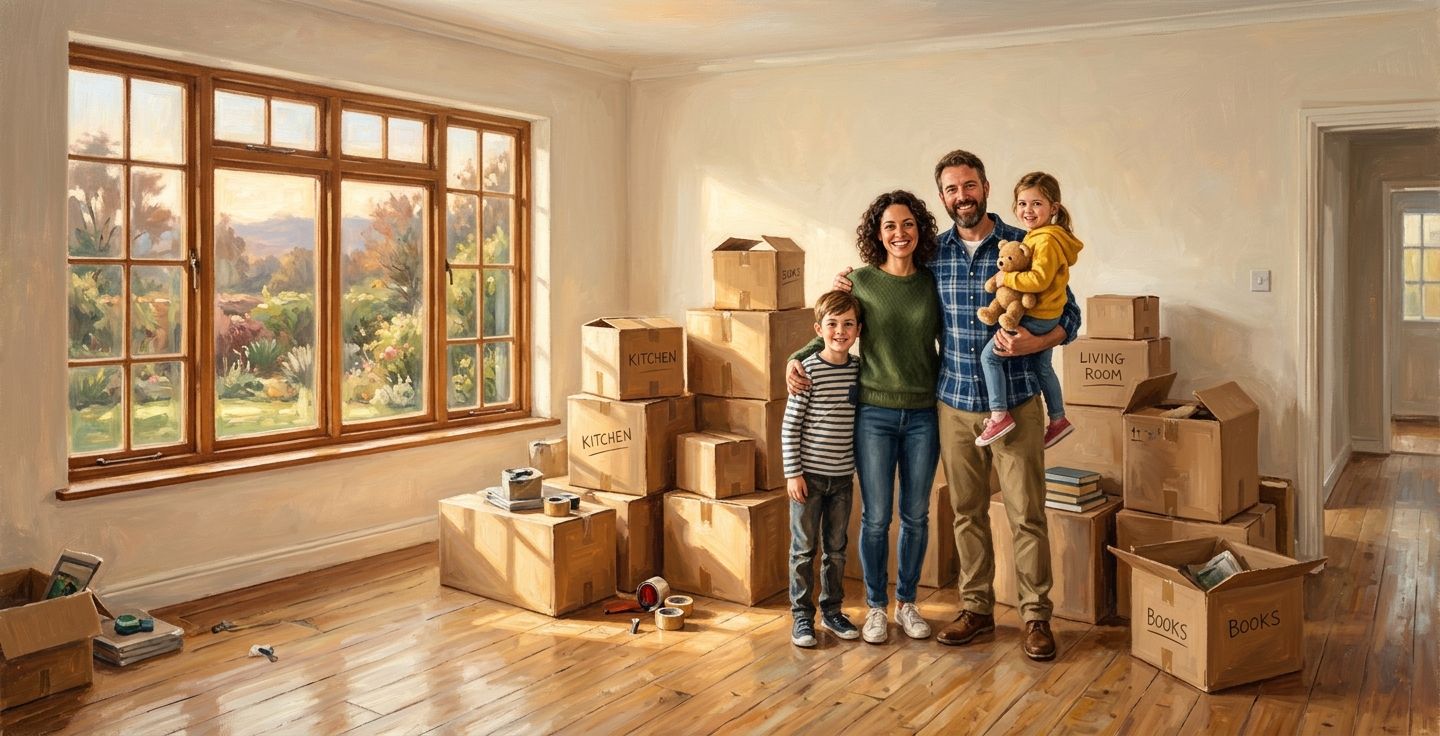
So, to the young, anxious families putting their beloved starter houses on the market today, I warmly say be brave. To the recent college graduate loading up a rusted sedan to drive across three unfamiliar states, I say keep your bright eyes focused on the horizon. Do not let the heavy fear of the unknown stop your momentum. The road ahead might occasionally be bumpy and full of unexpected detours. The first few quiet nights in a new apartment always feel strange and a little bit lonely. The wooden floorboards will creak differently under your feet. The warm morning light will hit the kitchen counter at a completely unfamiliar angle. But soon enough, with a little patience and an open heart, it will become home.
Plant your flexible roots deeply wherever you finally land. Get to know the friendly baker down the street. Introduce yourself to the hardworking mail carrier who walks your block every single afternoon. Building a beautiful life takes considerable time, but the unpredictable journey is the very thing that shapes your strong character. We have always been a proud nation of movers, seekers, and dreamers. Keep the old engines running smoothly. Keep searching for your beautiful tomorrow.
Frequently Asked Questions About Moving Cities
Why do Americans move so much compared to other countries?
We have a deep cultural history of migration. The United States is incredibly vast. It offers varied climates and distinct economic landscapes without ever needing to cross a national border. Furthermore, our culture highly values independence. We believe in the active pursuit of better horizons, which naturally encourages relocation far more frequently than in many older nations across the world.
What is the most common reason people decide to relocate today?
There are many reasons, but family and housing often top the list. People constantly seek out better living arrangements. They want safer neighborhoods or a larger yard for the kids to play in. Of course, career changes remain a major factor. The desire to secure a brighter future pushes many to pack their bags and head toward a promising job offer in a new region.
How does the rising cost of living impact the decision to move?
It is a double edged sword. On one hand, high expenses in large metropolitan areas force many families to seek out more affordable towns. They look for places where their hard earned dollar stretches further. On the other hand, the sheer expense of renting a truck and paying new deposits can trap people in places they would rather leave. It makes the leap much harder than it was decades ago.
Does moving frequently prevent you from building a strong community?
Not necessarily. It simply changes how you build your community. When you move often, you learn to make friends quickly. You become skilled at finding local groups, churches, or volunteer organizations to join right away. Your roots become flexible. You might not have fifty years of history in one single town, but you build a beautiful, wide network of friends across many states.
What is the best way to feel at home in a brand new city?
The best way is to step outside your front door immediately. Take long walks around your new neighborhood. Find a local coffee shop and become a regular customer. Introduce yourself to your neighbors, even if it feels a little awkward at first. Do not sit surrounded by unpacked boxes and dwell on the past. Engage with the present moment and let the new town reveal its charm to you.
Is it totally normal to feel a deep sense of loneliness after a big move?
It is completely normal. Even the most exciting relocation brings a quiet period of grief. You are mourning the comfortable routine you left behind. You miss the familiar faces and the easy conversations. Allow yourself to feel that sadness without judgment. It is merely a passing cloud. The loneliness will naturally fade as you begin to build new, joyful memories in your new space.
How can the hard choice of moving cities benefit future generations?
The sacrifices you make today ripple outward into the future. By moving to a place with better schools, safer streets, or stronger job markets, you are fundamentally changing the trajectory of your family line. You are showing your children how to be brave. You are teaching them that the world is wide and full of endless possibilities. You are giving them the greatest gift of all.