
Immigration, Diversity & Identity
What Life Is Like in Ethnic Neighborhoods
The Heartbeat of Our Great Nation
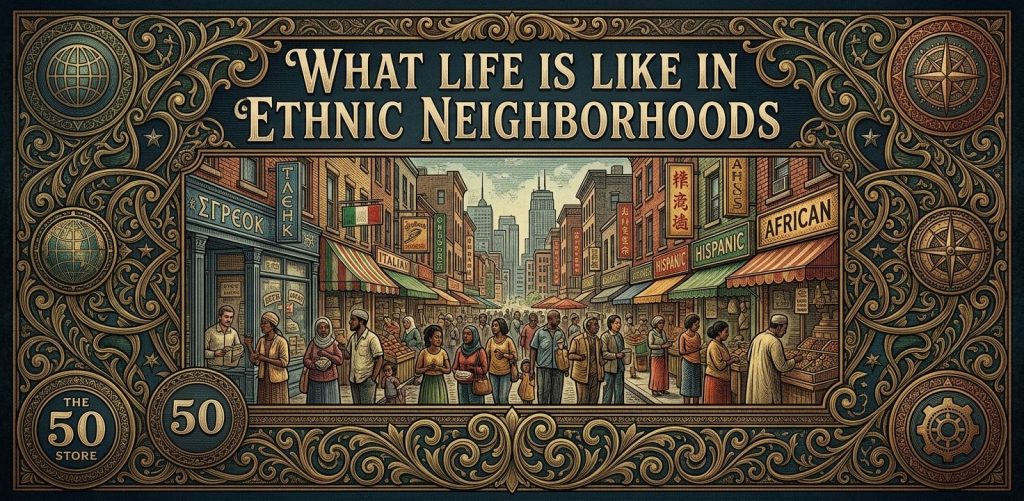
Hello there, neighbor. If you have a moment, I want to sit down and talk with you about something truly special. It is something that has defined my entire life here in our beautiful country. I am talking about ethnic neighborhoods. These are the colorful, bustling blocks where the old world shakes hands with the new. I have lived in this great land for many decades. I have seen cities grow and skylines reach for the clouds. Yet, the places that always capture my heart are the local streets where you can smell fresh bread baking at dawn and hear the joyful chatter of different languages.
A Beautiful Situation: The Melting Pot at Work
Our country is built on a very simple and beautiful idea. People from all over the world can come here to seek a better life. When they arrive, they often gather together. They form little communities. If you take a stroll down Little Italy in New York or wander through San Francisco’s Chinatown, you can see this magic firsthand. These blocks are not just collections of buildings. They are living, breathing monuments to hope.
The situation is simple. Newcomers arrive with a suitcase full of dreams and recipes passed down through generations. They open corner stores. They sweep the sidewalks. They look out for each other. This creates an incredible community spirit. It is the kind of spirit that makes you proud to be an American. We are a nation of neighbors.
Surprising Numbers That Tell Our Story
Now, let me share something that might catch your interest. Sometimes we hear folks worrying about how our cities are changing. That is the complication we often face. People wonder if these enclaves keep newcomers separated from the rest of the country. They worry that the old ways might fade away entirely.
But the facts tell a beautifully different story. Did you know that immigrant entrepreneurs are the secret engine of our Main Streets? According to the Fiscal Policy Institute, immigrants make up almost thirty percent of all Main Street business owners in the United States. That means the dry cleaners, the local grocery markets, and the neighborhood diners are heavily supported by folks who came here looking for a chance. The bipartisan organization New American Economy points out that immigrants are actually twice as likely to start a business as native born citizens. These hardworking people do not isolate themselves. They revitalize our towns. They build the foundation of our local economies.
The Big Question: How Do We Keep the Spirit Alive?
So, how do these bustling neighborhoods manage to hold onto their roots while fully embracing their new American identity? This is the grand question. The answer lies in the deeply personal stories of the people who walk these streets every day. The answer is found in the way they blend their rich cultural heritage with civic duty.
Let us look back at our history to understand this better. We can learn a lot from the micro-histories of those who paved the way. Consider the story of Jacob Riis (1849-1914). He was a Danish immigrant who arrived in America with barely a penny to his name. He experienced the harsh realities of the crowded tenements in New York. Instead of turning bitter, he picked up a camera. He used his flash photography to show the rest of the country how immigrants were living. His work led to massive reforms in housing and sanitation. Riis did not just document the struggle. He fought for his neighbors. He proved that caring for the poorest among us is the highest form of patriotism.
Then we have heroes like Jane Addams (1860-1935). She opened Hull House in a crowded immigrant district on Chicago’s Near West Side. Jane recognized the immense value in the diverse cultures surrounding her. She provided a space where Greek, Italian, and Polish newcomers could learn English and civics. At the same time, she encouraged them to preserve their native arts and music. Hull House became a shining example of how a neighborhood can nurture newcomers while celebrating where they came from. Jane Addams showed us that welcoming others does not erase our national identity. It expands it.
A Day in the Life of a Vibrant Enclave
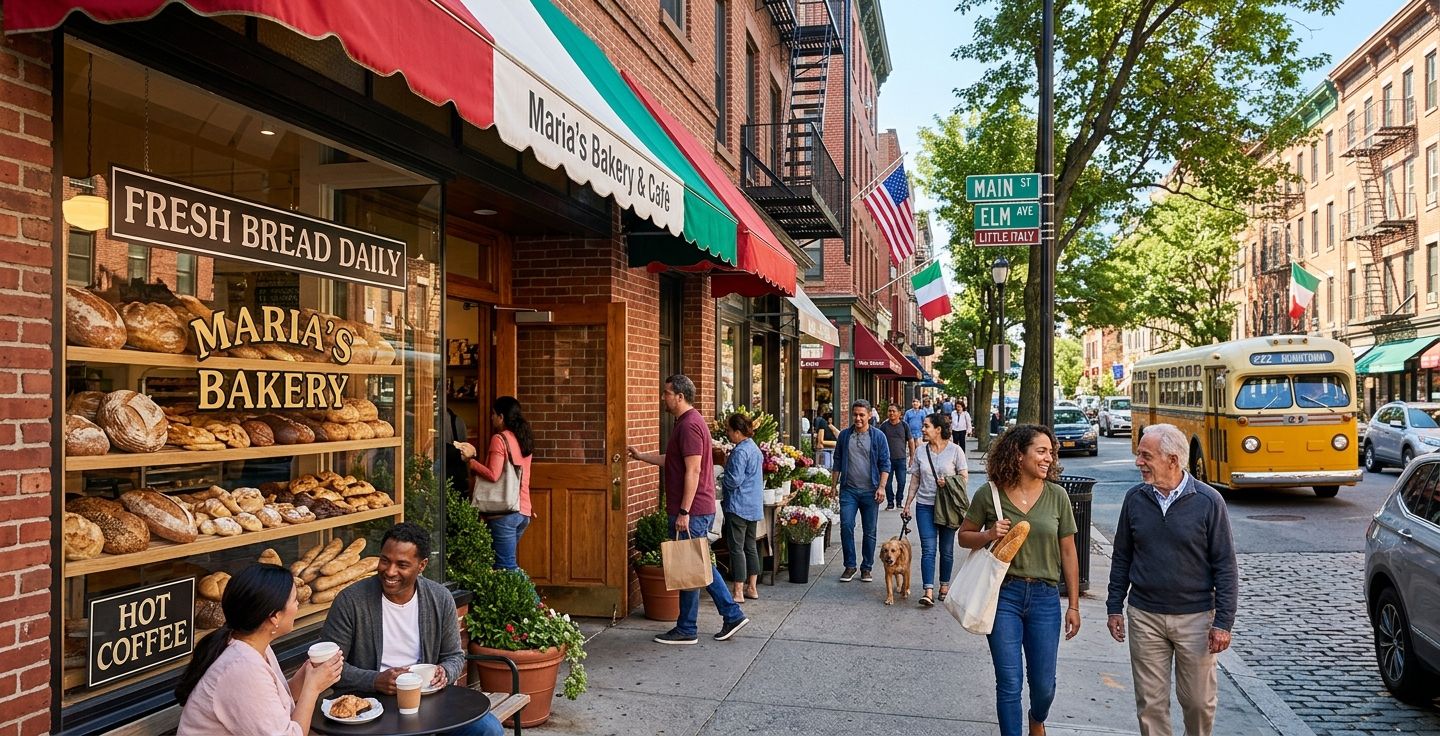
Let me paint a picture of what life is actually like in these neighborhoods today. It is a warm, beautiful rhythm. Wake up early in Ybor City down in Florida, and you will smell the Cuban coffee roasting. You will hear the gentle hum of early morning conversations in Spanish. The bakery owner is already sweeping the front stoop. He greets the postman by name.
These small actions are the heartbeat of the American dream. A micro-history unfolds on every block. Take my friend Maria, for example. Her parents moved to a small Portuguese neighborhood in Massachusetts fifty years ago. They started a tiny bakery. They worked sixteen hours a day. Maria grew up doing her homework on flour sacks in the back room. Today, she runs the business. She employs a dozen local kids, teaching them the value of hard work. Her bakery is not just a place to buy bread. It is an anchor for the community. When someone falls ill, Maria organizes a meal train. When the local school needs funds for new uniforms, Maria puts a donation jar right by the register.
This is the essence of these wonderful communities. Grandparents sit on porches keeping an eye on the children playing stickball or soccer in the street. Everyone knows everyone. There is a deep, unspoken rule that you look out for the person next door. You share your garden vegetables. You help shovel the snow from their driveway.
The Food That Binds Us Together
We cannot talk about immigrant stories without talking about the food. Oh, the food! Walking through an ethnic neighborhood is a feast for the senses. It is where you find the most authentic, soul warming meals on the planet.
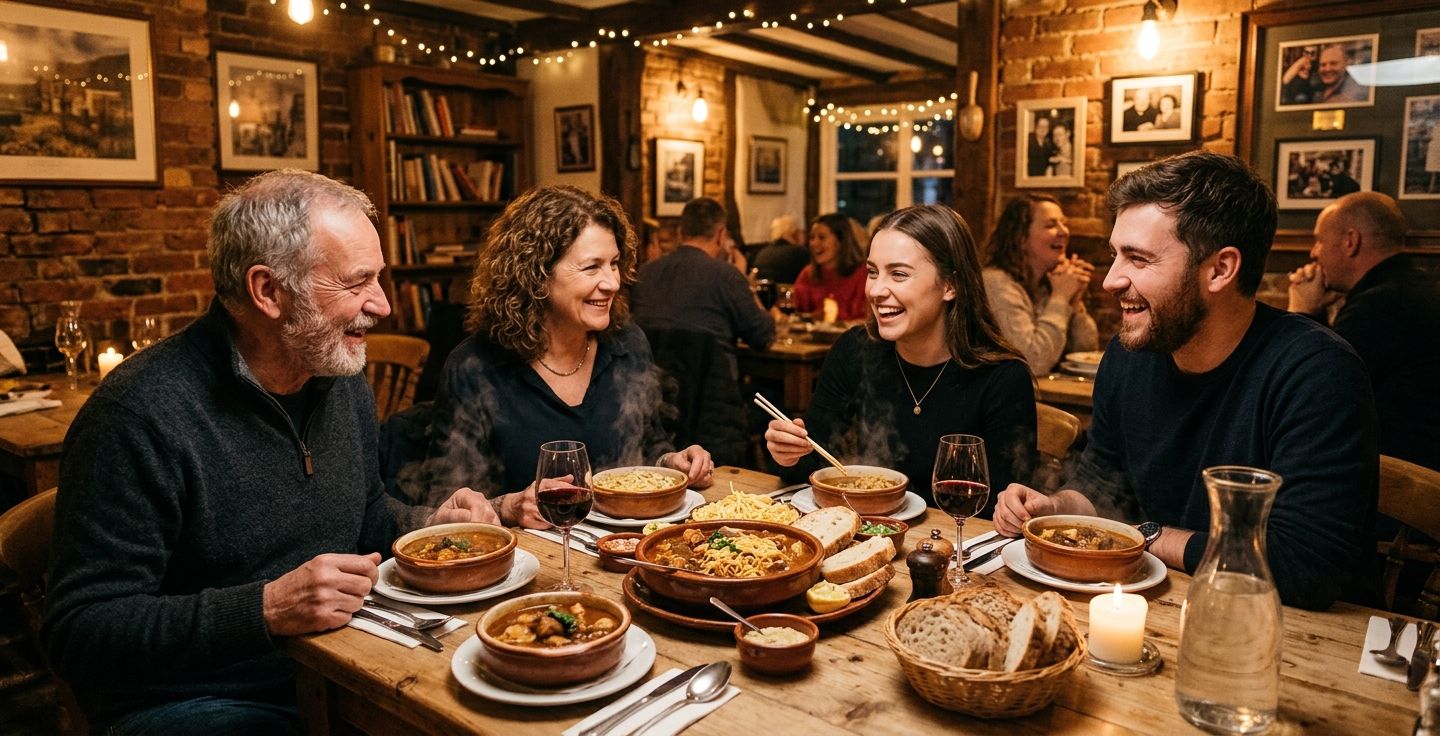
Think about the steaming bowls of pho you can find in places like Kearny Mesa in San Diego. Think about the rich, hearty pierogies served up in local diners around Polish Hill in Pittsburgh. Sharing a meal is the quickest way to break down barriers. When you sit at a small table in a family owned restaurant, you are experiencing their history. You are tasting the recipes that grandmothers whispered to their grandchildren. Every bite is an invitation to understand a different culture.
Take a trip down to a Mexican mercado in Texas. You will see vibrant decorations hanging from the ceiling and smell the sweet aroma of pan dulce. The children are running around laughing, while the older generation sits in the corner, playing cards and sharing tales of their youth. This is not just commerce. It is a daily family reunion.
Desire to Preserve and Protect
Knowing all of this makes you want to hold onto these places tightly. It creates a deep desire to see these neighborhoods thrive for generations to come. We must cherish them. We must realize that the Greek diner, the Mexican taqueria, and the Korean grocery store are as fundamentally American as baseball and apple pie.
These neighborhoods teach us toughness and grit. They show us how people can endure hardships, cross oceans, and build a beautiful life from scratch. They remind us of what our ancestors went through. When we support these communities, we honor our own past. We acknowledge that almost every single one of us has a family tree that started somewhere else before taking root in this fertile American soil.
Take Action: Step Out and Explore
My friend, I want to leave you with a simple, encouraging call to action. Take a weekend afternoon and visit an ethnic neighborhood near you. Walk the sidewalks. Listen to the music spilling out of the open windows. Go inside that small market and buy an ingredient you have never used before.
Strike up a conversation with the shop owner. Ask them how long their family has been in the area. You will be amazed at the warmth and gratitude you receive. You will hear incredible stories of perseverance and faith. By spending your time and money in these local spots, you are directly supporting the families who keep our country vibrant.
We live in the greatest country on earth. Our strength has always been our ability to welcome the world and weave those diverse threads into a beautiful, sturdy fabric. Go out and experience it. Celebrate the neighborhoods that make America the wonderful, colorful home we love so dearly. Let us keep looking out for one another. Let us keep sharing our cultures. That is how we keep the spirit of this great nation alive forever.