
Geography & the American Landscape
How American Wilderness Became a Symbol of Freedom
The Quiet Woods at Dawn
The morning air always smells a little sweeter when you are standing under the shade of an old pine tree. The wind carries a chill from the river, rustling through the leaves and whispering stories that are older than any of us. It reminds you that the earth is alive and breathing. For as long as I can remember, stepping into the woods has been a surefire way to clear a troubled mind. There is a profound quiet out there. It is a peace that settles deep in your bones.
But we did not always see the land this way. We did not always view the forests and the mountains as places of rest. In fact, our relationship with the land has been a long and complicated journey.
A Change in the Wind
Think back to the early days of our nation. The folks who first arrived on these shores looked at the vast, untamed landscape with a deep sense of dread. The thick forests were a barrier. The wild animals were a constant threat. To a settler trying to build a cabin and feed a family, the wild was an enemy that had to be conquered. They swung their axes from dawn until dusk. They cleared the trees just to plant a single row of corn. Survival meant pushing the dark woods back.
Then the decades rolled on. Tiny settlements blossomed into bustling towns, and those towns grew into crowded, noisy cities. Smoke filled the skies. The axes and the saws worked entirely too fast. Railroads carved through the mountains, and concrete paved over the meadows. The endless forests started to shrink rapidly. We were losing the very thing that made this continent so incredibly special.
The Great Question of Our Land
This brings us to a fascinating turning point in our history. How did a place of hardship and fear become the very symbol of our liberty? When did we stop fighting the forest and start seeking it out for peace? How exactly did the American wilderness transform from an enemy into our greatest treasure?
The answer lies in a simple shift of the heart. As the cities grew louder, the silence of the woods became precious. We realized that without the untamed lands, a piece of the American soul would vanish forever.
Surprising Truths About Our Wild Spaces
You might be surprised to learn just how deeply this love for the outdoors runs in our modern veins. Today, the connection we have to the land is supported by some truly remarkable facts. According to the United States Forest Service, our country now protects over 111 million acres of land as legally designated wild spaces. That is right around five percent of the entire United States kept completely free of roads, vehicles, and permanent structures. It is land left exactly as nature intended.
If you think people do not care about these spaces, consider this fact. The Outdoor Industry Association recently released a report showing that over 168 million Americans participate in outdoor recreation every single year. That is more than half of our entire population looking for a breath of fresh air. It is a stunning number. We spend billions of dollars and countless hours just to sleep on the ground in a tent or walk up a steep trail. It proves that we have a deep, undeniable craving to return to our roots. We are all out there looking for a sense of freedom.
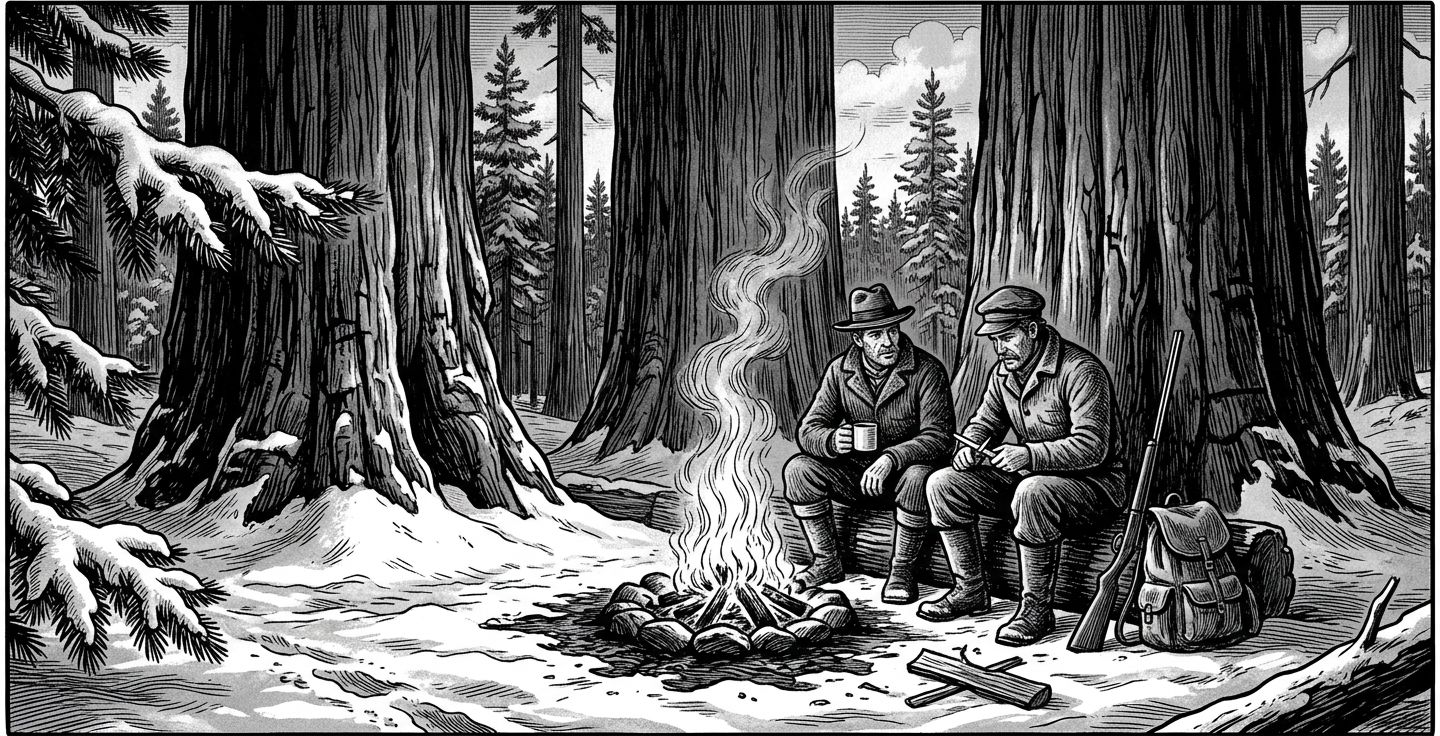
Two Men and a Campfire in the Snow
To understand how this grand idea of preservation took hold, we need to look at a simple camping trip. In the spring of 1903, the President of the United States decided he needed a vacation. Theodore Roosevelt (1858-1919) traveled out to California, leaving the politicians and the secret service behind. He wanted to see the great valleys for himself.
He met up with a rugged, bearded nature writer named John Muir (1838-1914). Together, these two men rode horses up into the mountains of Yosemite National Park. They did not stay in a fancy hotel. They laid out their bedrolls in the snow under the giant sequoia trees at Glacier Point. They built a crackling campfire and talked late into the night.
Muir spoke passionately about the spiritual importance of the trees. He told the President that these places were temples that needed to be protected from logging and greed. Roosevelt listened intently. That single, freezing night under the stars changed the course of our history. It sparked a massive conservation movement. Roosevelt returned to Washington and used his power to protect millions of acres of public land. From one small campfire, a legacy was born.
Finding Your Own Patch of Green
Of course, you do not have to be a president or a famous writer to appreciate the land. The spirit of the wild lives on in every small town and neighborhood across this country. Let me tell you about a little road near where I grew up called Elm Street.
At the end of Elm Street, there was a dense thicket we simply called the Miller Woods. It was not a famous landmark. It was just a patch of ancient oak trees, a muddy creek, and a whole lot of blackberry bushes. In the late nineteen sixties, a developer wanted to pave over the Miller Woods to build a storage facility. The neighborhood folks caught wind of the plan. These were ordinary working people. They were mechanics, teachers, and shop owners. They gathered in the local high school gymnasium on a Tuesday night.
They decided right then and there that they could not lose their little patch of green. They chipped in their own hard earned money to buy the tract. They fought for it. It was not a grand national monument, but it was their personal frontier. It was where their children learned to climb trees and catch frogs. By saving that tiny stretch of woods, they preserved their own quiet corner of the world.
Another brilliant mind who understood this was Aldo Leopold (1887-1948). He was a forester who helped create the very first official wilderness area in the Gila National Forest back in 1924. Leopold taught us that we are not the masters of the land. We are merely citizens of it. We must treat the soil, the water, and the wildlife with respect.
Passing the Torch to the Next Generation
Look around at the world today. Things move incredibly fast. Screens demand our attention from the moment we wake up until we finally close our eyes. Life can feel very crowded and very loud.
You folks reading this are in the prime of your lives. You are the parents, the aunts, the uncles, and the leaders of today. You are the current stewards of this great American landscape. I encourage you to turn off the phones for a weekend. Take your children out to the trails. Let them skin their knees on the rocks. Let them get dirt under their fingernails. Show them the majestic beauty of our national parks.
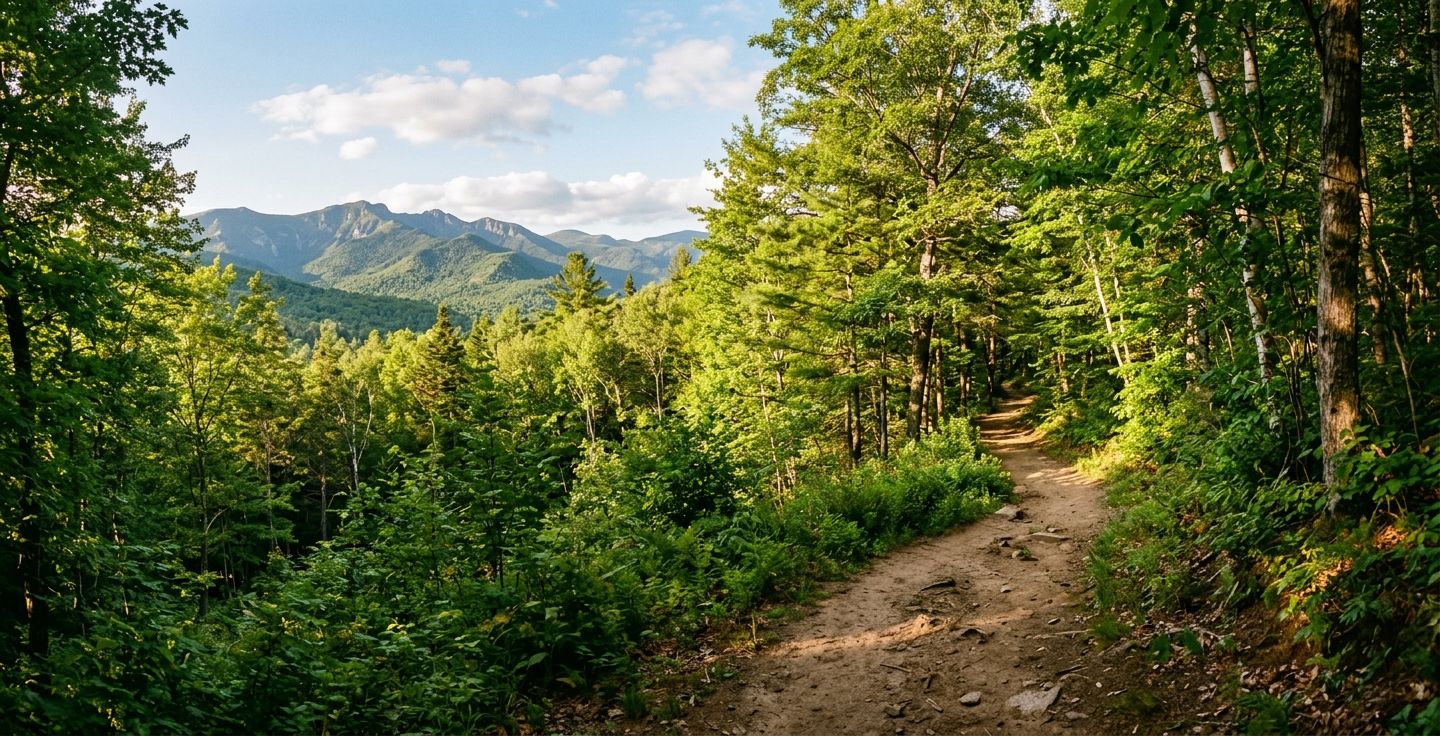
When you stand at the edge of a great canyon or walk through a silent forest, you understand what it means to be truly free. Nobody is telling you what to do. The land belongs to all of us, and yet it belongs to no one at all. We have inherited a magnificent gift from the generations that came before us. It is a gift of open skies and towering trees. Let us make absolutely certain we pass that gift along to the next generation, untouched and full of wild promise.
Questions You Might Have About Our American Landscape
If you are thinking about heading out into the great outdoors, you might have a few questions on your mind. Here are some things I often hear folks asking.
Why is the wild so important to American identity?
The untamed land has always represented a blank slate for our country. In the beginning, it was a place where people could start over and build a new life entirely from scratch. Over time, the open spaces became a living symbol of independence and self reliance. When we protect the land, we are protecting the very spirit of our nation.
Who were the early champions of land preservation?
There were many brave voices. Writers like Henry David Thoreau (1817-1862) showed us the beauty of living simply in nature. Later on, figures like John Muir and President Theodore Roosevelt turned those poetic ideas into actual laws that saved millions of acres from destruction.
How did the idea of public lands begin?
The concept started to take root in the late eighteen hundreds. People began to realize that if the government did not step in, private companies would buy up all the most beautiful places. The creation of Yellowstone in 1872 established the beautiful idea that some places are simply too special to be owned by just one person.
What is the difference between a national park and designated wild areas?
A national park is typically managed for both preservation and visitor enjoyment, meaning you will find paved roads, visitor centers, and large campgrounds. A designated wild area is much stricter. It allows absolutely no motorized vehicles, no roads, and no logging. It is nature preserved entirely in its rawest state.
How can ordinary people help protect our natural spaces?
The absolute best way to help is to visit these places and treat them with respect. Always pack out your trash. You can also volunteer with local trail maintenance groups or donate to land trusts. Even speaking up at a town hall meeting to protect a local park makes a huge difference.
Where should someone go to experience true American nature for the first time?
You do not need to travel far. Start with your nearest state park or local nature preserve. If you want a grand adventure, standing on the rim of the Grand Canyon or walking among the redwoods in California will give you a profound sense of scale. But truth be told, any place where you cannot hear the traffic is a perfect place to start.