
American Lifestyle
Why the American Backyard Is So Important

I can still smell the scent of cut grass and hear the rhythmic click of a manual push mower on a Saturday morning. It is a memory that lives deep in my bones. When I was a young boy, the space behind our house was not much more than a patch of wild clover, a rusty swing set, and an old clothesline. Yet, it was the absolute center of our universe. That simple plot of dirt was where we learned how the world worked. We dug for earthworms. We built shaky forts out of scrap wood. We watched the stars appear one by one in the vast summer sky. The American backyard has always been a canvas for our lives. It was a place of utility at first. Folks grew victory gardens, hung laundry to dry, and kept a few chickens. It was an essential extension of the household economy. Over the decades, it evolved into something softer. It became our private retreat.
But times change, and so do our daily habits. We built taller fences and constructed much bigger houses. Our lots shrank as our indoor square footage expanded. The quiet afternoons on the back steps were replaced by television sets. Then came computers, smart devices, and a culture of exhausting busyness. We paved over the grass to make room for larger garages. We completely forgot the names of the wild birds that used to visit our feeders. The modern world pulled us indoors, whispering a lie that true comfort could only be found in artificial climate control.
The Quiet Crisis of the Modern Yard
How did we lose our connection to the soil right outside our doors, and why is it so vital to find our way back? We lost it because we confused convenience with contentment. We traded the messy, unpredictable reality of nature for the predictable safety of our living rooms. But we desperately need that connection back because our souls require it. The soil grounds us. The fresh air clears our minds. The backyard is the only piece of the natural world that belongs entirely to us, ready to be shaped and loved by our own hands.
The Science of Sunlight and Soil
Experts are finally catching up to what our grandparents inherently understood. According to a recent survey conducted by the National Association of Landscape Professionals, a staggering 75 percent of Americans say that spending time outside in their yards is one of their most important stress relievers. Furthermore, the Environmental Protection Agency notes that the average American spends 93 percent of their life indoors. Ninety three percent. That number stops me in my tracks. We are living our lives inside padded boxes. Two hours a week in green spaces is all it takes to heal a tired mind and restore a weary spirit. We have the cure for our modern weariness sitting right out the back door.
The Story of a Single Dogwood Tree
To truly understand how the backyard became a cornerstone of our culture, we have to look back at our history. Think about William Levitt (1907-1994). He essentially invented the modern American suburb, building rows of affordable houses in places like Levittown, Pennsylvania. It was a massive national shift. Millions of folks were moving out of crowded, gray cities and into their own little patches of green suburban promise.
But the real story is not about the grand sweep of history. It is a small story about a fellow named Arthur who bought one of those Levittown houses in the early 1950s. Arthur was a quiet man working at a steel mill. The day after he moved in, before even unpacking his dishes, he went out to his muddy backyard lot. He took a shovel, dug a modest hole, and planted a tiny dogwood tree. That tree was hardly bigger than a wooden broomstick. His neighbors laughed, saying the fragile sapling would never survive the harsh Pennsylvania winter. But Arthur faithfully watered it. He carefully pruned it. He sat beside it on a canvas folding chair every single Sunday afternoon, smoking his pipe and watching the leaves tremble in the wind.
Decades passed by in a blink. Arthur’s children learned to walk under the growing shade of that dogwood tree. His teenage daughter had her first kiss leaning against its sturdy trunk. Many years later, his grandchildren hung a heavy tire swing from its thickest branch. That single dogwood tree turned a standard cookie cutter house into a unique, loving home. It gave a hardworking steelman a place of genuine peace. Arthur’s yard was not fancy, but it was his. That is the true magic of outdoor living. It allows us to plant something remarkably small and watch it grow across generations, tying our family history to the earth itself.
The Heartbeat of the Home
Picture the perfect summer evening. The oppressive heat of the afternoon has finally broken. The crickets are just beginning their rhythmic evening song. You are sitting on a wooden deck, a cold glass of sweet iced tea sweating in your hand. The savory smell of barbecue smoke drifts gently through the twilight air. You hear the delightful sound of children laughing as they chase glowing fireflies across the lawn. This is not just a romantic scene from an old movie. This is a very real possibility for your life right now.
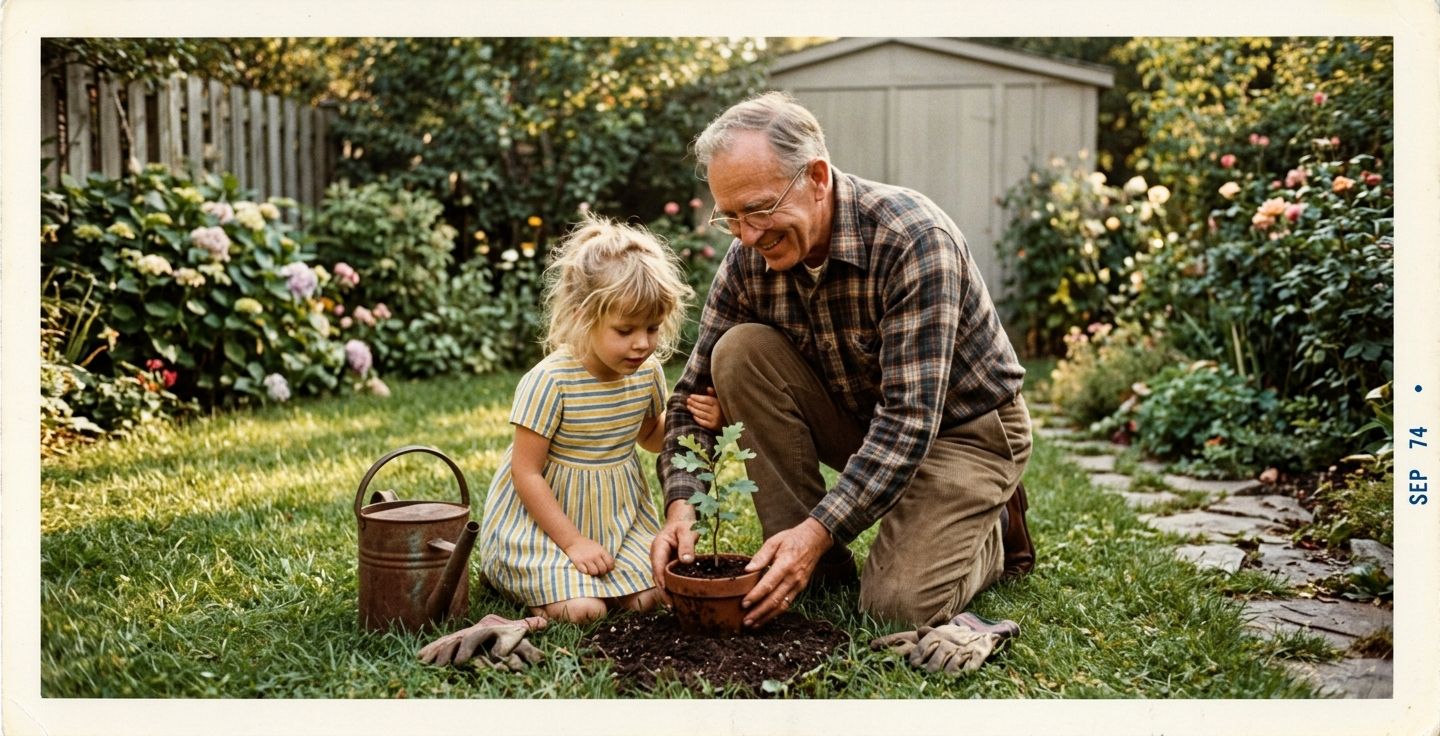
Our yards are the ultimate stage for warm family gatherings. Here, strict indoor rules are happily relaxed. You can eat a burger with your hands, talk a little louder without waking the baby, and stay up a little later under the moonlight. In a fast paced world that constantly demands our attention and energy, the backyard asks for nothing but our calm presence. When a young child learns how to plant a tiny seed, water it every day, and wait patiently for it to sprout, they are learning about profound hope. I look at my own grandchildren now. I see the pure wonder in their bright eyes when they pull a fresh carrot out of the dark dirt. That joy is pure and uncorrupted. It is a deep satisfaction that bright screens will never be able to replicate.
The Roots We Leave Behind
As we grow older, we often think deeply about what we will leave behind when our time comes to pass on. Some folks focus on bank accounts or heirlooms. But I firmly believe the land we tend and the memories we create on it represent one of our greatest legacies. Nurturing a yard is an act of forward looking optimism. You plant a small acorn knowing full well you might never sit in the shade of the mature oak tree. You do it for the folks who will come after you. You do it out of love.
A well loved yard also makes practical sense. Real estate agents will tell you a well maintained exterior significantly increases your property value. Modern home buyers are not just looking for a certain number of bedrooms anymore. They are eagerly looking for an escape from the daily grind. But the financial return is just a happy, secondary byproduct. The true, immeasurable value is found in the quiet moments of personal reflection, the noisy weekend barbecues, and the simple, daily act of breathing fresh air.
Stepping Outside
Today, when you finish reading these words, put down your phone and stand up. Walk over to your back door, turn the handle, and step outside into the light. You do not need to have a sprawling country estate to find peace. Even a small urban balcony or a tiny fenced courtyard can be transformed into a personal sanctuary.
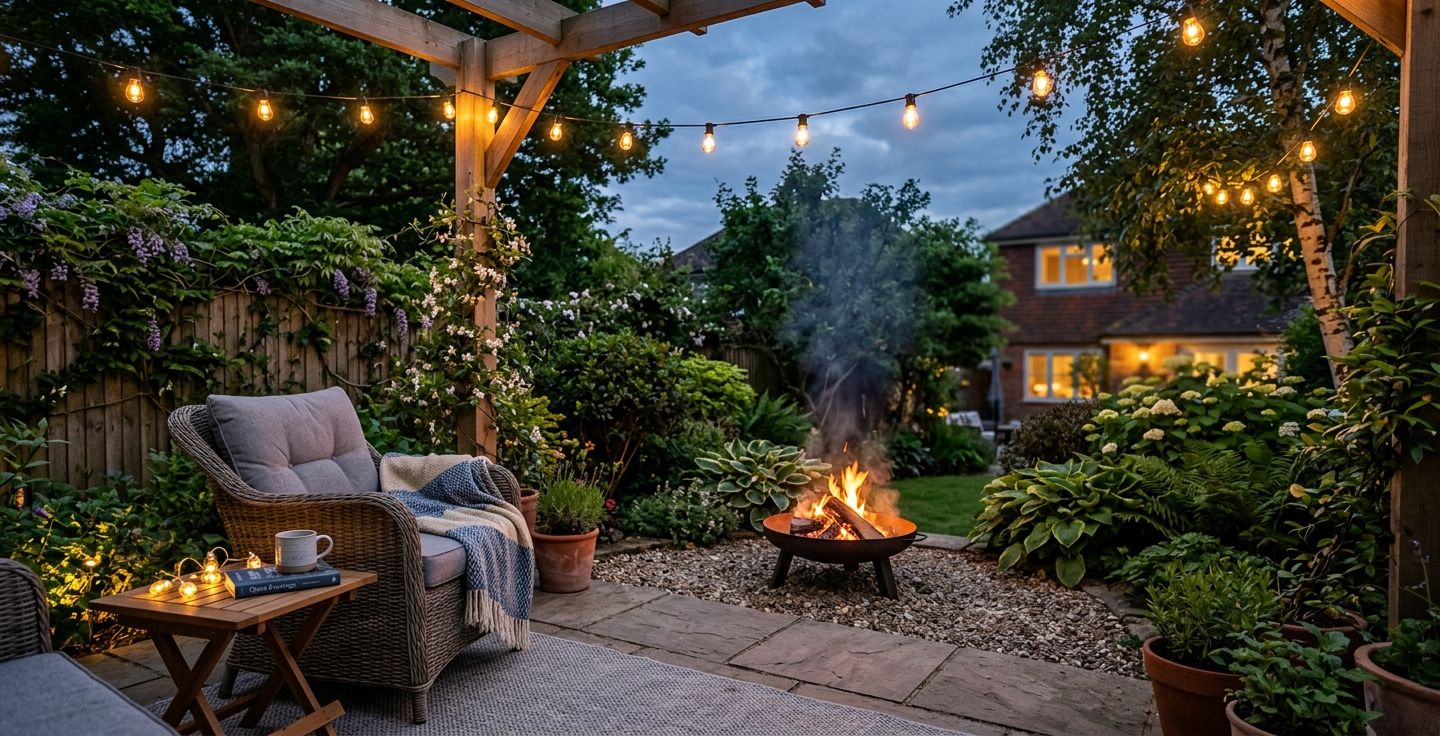
Start small and be patient with yourself. Buy a single potted plant and give it some water. Set up a comfortable chair where the gentle morning sun hits just right. Maybe clear out that forgotten corner where the stubborn weeds have taken over and lay down some fresh pine mulch. Build a simple stone fire pit for the crisp autumn nights ahead. Just do something intentional to claim your outdoor space.
Nature is incredibly forgiving and endlessly generous. She is always waiting patiently for us to return. Invite your neighbors over for a cold pitcher of lemonade this weekend. Let your kids or your friends kids run barefoot in the soft grass. Take a deep, slow breath and let the outdoor air fill your lungs. The backyard is waiting with open arms to welcome you back home.
Frequently Asked Questions
How much time should I spend in my backyard to feel the health benefits?
Research shows that spending just 120 minutes a week in nature can significantly boost your mental and physical health. You can easily break this down into short twenty minute daily breaks right in your own yard.
What is the easiest way to start improving an unkempt backyard?
The best approach is to start small so you do not get overwhelmed. Choose one corner or a single flowerbed. Clear the weeds, add fresh soil, and plant a few low maintenance native plants. Success in a small area will encourage you to tackle the rest over time.
Does investing in landscaping truly increase my home equity?
Yes, it certainly does. A well maintained yard and attractive outdoor living spaces can add substantial financial value. Many experts suggest that good landscaping can increase a home total value by up to ten percent.
How can I make my backyard more appealing for my children or grandchildren?
Children love interactive spaces. Create areas where they are allowed to dig, build a simple sandbox, or plant a dedicated vegetable patch just for them. Nature is the best playground when kids are allowed to get their hands dirty.
I only have a very small patio so can I still get the benefits of a backyard?
Absolutely. The size of the space matters far less than your personal connection to it. A few potted plants, a comfortable chair, and a small bird feeder can turn even the smallest concrete balcony into a personal sanctuary for fresh air and peace.
Why are native plants better for my home garden?
Native plants have adapted to your local climate and soil over thousands of years. They require much less water, need fewer chemical fertilizers, and provide vital natural habitats for local birds, bees, and butterflies.