
American Mythos & National Character
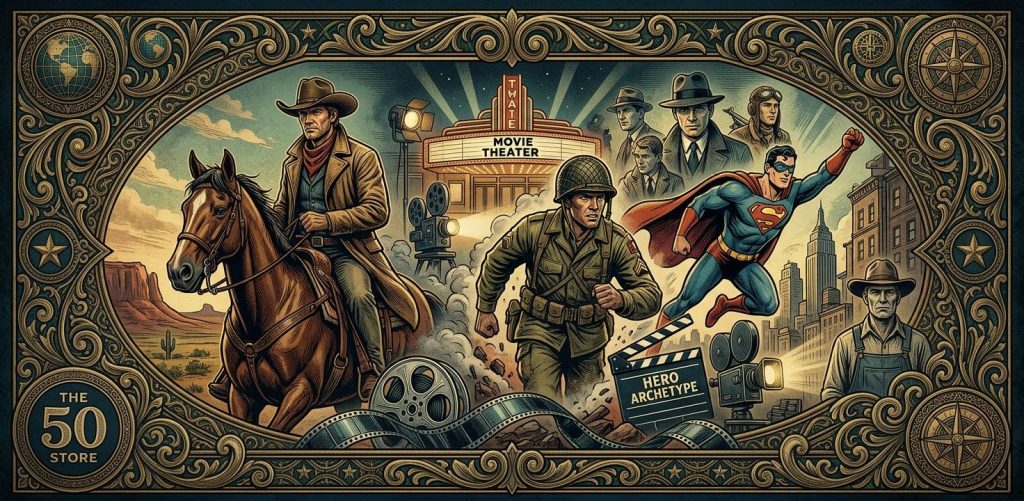
How Movies Shaped the American Hero Archetype
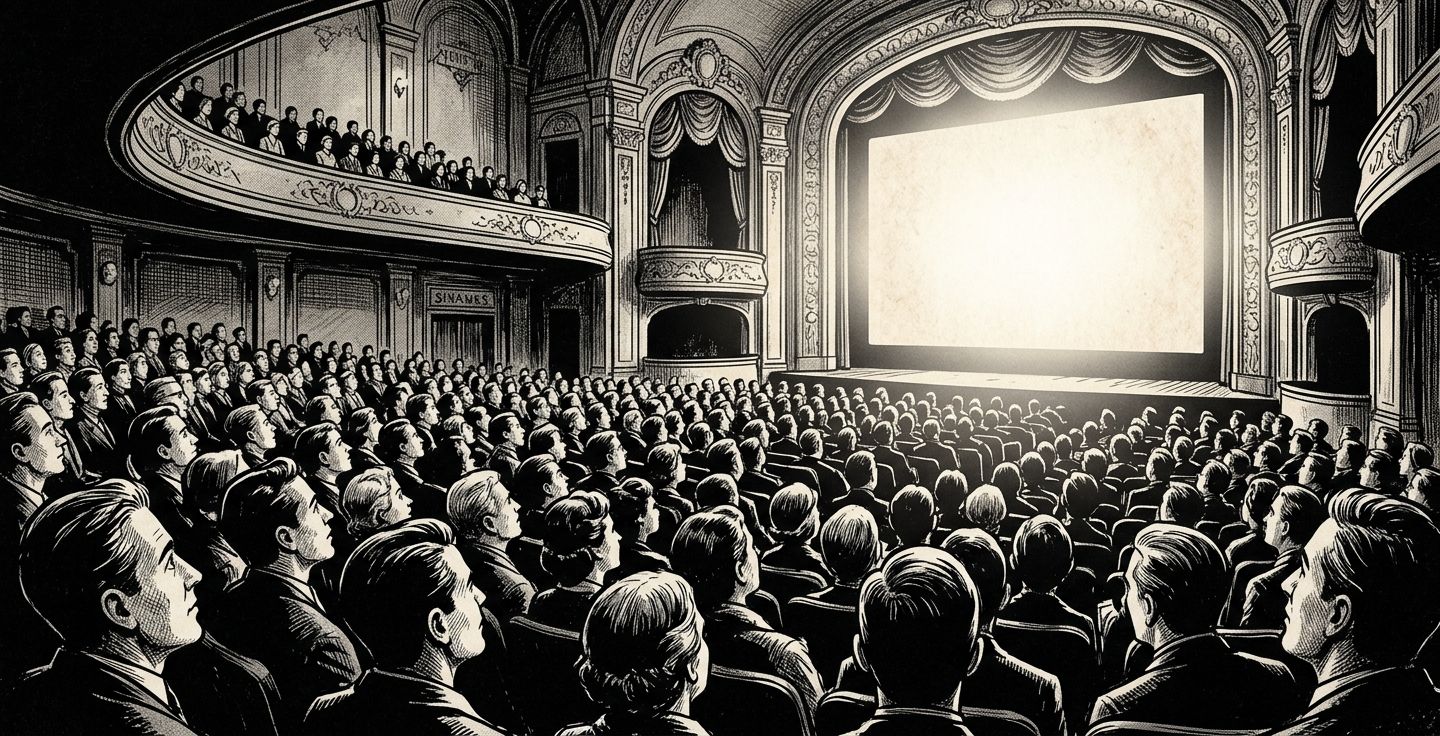
I still remember the smell of roasted peanuts and warm celluloid at the old picture house downtown. It was a simpler time in many ways. We gathered in the dark, shoulder to shoulder with our neighbors. We looked up at that glowing rectangle with a sense of pure reverence. We watched ordinary men do extraordinary things. The silver screen was our gathering place. Before television sets sat in every living room, the local theater was the absolute heart of the community. Here we learned what it meant to stand tall in the face of adversity. We learned what it meant to do the right thing when the right thing was incredibly hard. The flickering light bathed our faces, and for a few hours, we all believed in the very best version of our country.
But the face of the American hero did not stay the same forever. As the years rolled by, the world outside those theater doors grew much more complicated. Global conflicts changed us deeply. Economic struggles tested our collective spirit. The flawless, square jawed cowboy riding off into the sunset began to feel a bit distant, perhaps a little too simple for the complicated lives we were leading. We needed a different kind of reflection. How did moving pictures shape our very definition of an American hero? How did these shadows on a wall teach us who we were supposed to be, even as the ground shifted beneath our feet?
The truth is that Hollywood did not just record our history. It wrote our values. The stories we watched changed the very fabric of our national identity. It is a deeply fascinating piece of history. According to historical data from the Motion Picture Association, by the year 1930, nearly eighty million Americans went to the movies every single week. Our total population back then was only about one hundred and twenty two million people. That means over sixty five percent of the entire country was sitting in a theater on any given weekend. They were all absorbing the exact same lessons about courage and civic duty. This shared experience forged a common moral compass across millions of miles of farmland and busy city streets. We were a diverse people, but we all learned a common language of bravery in the dark.
The Man in the White Hat and the Changing Tide
Let me tell you about a shift that happened right before my own eyes. Think about the towering presence of John Wayne (1907-1979). He was the ultimate symbol of rugged independence for my generation. When he stood framed against the red dirt and massive stone spires of Monument Valley, he was completely immovable. He did not talk much. He let his actions speak for him. We admired that quiet, unwavering strength. We all secretly wanted to be exactly that steady when the storms of life hit our own front porches.
But a real, profound shift in our culture happened with a lanky, stuttering fellow named Jimmy Stewart (1908-1997). Before the second World War, Stewart played lighthearted, optimistic romantic leads. Then he went overseas. He flew highly dangerous combat missions over Europe. He saw the very worst of humanity and the terrible cost of freedom. When he finally came back to American soil, he was a deeply changed man. He had lost that easy, youthful innocence. He carried a heavy burden, just like so many of the boys who returned to our neighborhoods.
He took a role playing George Bailey in a movie that has now become a holiday staple. George was not a gunslinger or a fearless lawman. He was a small town banker who felt entirely trapped by his responsibilities. He was a man drowning in everyday burdens. When George stood on that snowy bridge contemplating his own end, America saw a brand new kind of hero. We saw a man whose character was tested not by outlaws on horseback, but by deep personal disappointment. He showed us that holding a family together in a drafty old house took just as much bravery as storming a dangerous beachhead. He proved that the truest heroes were often the ones who simply stayed put and did their duty for their neighbors. We stopped looking exclusively for flawless giants. We started looking for decent, hardworking neighbors.
When the Shadows Grew Longer
As I grew older and started raising a family of my own, the country went through intense growing pains. The nineteen sixties and seventies brought confusion, social unrest, and a deep questioning of old traditions. The heroes on the screen adapted to this turbulent new era. They put down the spotless white hats.
Actors like Steve McQueen (1930-1980) and Paul Newman (1925-2008) stepped into the cinematic light. They played men who actively bent the rules. They challenged authority figures who had grown corrupt or complacent. At first, this bothered some of the folks in my generation. We missed the clear, sharp lines dividing good and bad. We wanted the comfort of knowing exactly who to cheer for from the very first frame. But looking back with the benefit of time, I realize this was a necessary and healthy season for our country. We were learning to question things. The new archetype taught us a highly valuable lesson. It taught us that sometimes, doing the right thing means standing up to the very people in charge.
We truly needed that lesson. We needed to see that a hero could have a few dents in his armor. A scratch on the bumper does not mean the engine cannot run smoothly. These flawed men showed a rising generation that you do not have to be perfect to be incredibly useful to society. You just have to be willing to fight for fairness when it really counts.
Passing the Torch to a Bright Future
Today, the movies are certainly louder. The colors are brighter, and the screens are larger than we ever could have imagined. You have men and women flying through the air in capes, saving entire galaxies before breakfast. It is very easy to look at the modern blockbusters and feel a bit disconnected from it all. Sometimes, I admit, I miss the slow, deliberate drawl of a sheriff walking down a dusty street at high noon.
But let me tell you what fills my heart with immense hope. I look at my grandchildren when they watch these new stories. I watch their eyes grow wide with pure wonder. They lean forward in their seats, completely captivated. And I realize they are still learning the exact same lessons we did all those years ago. Underneath the dazzling special effects, the core of the American hero has not changed one single bit.
The hero still stands up for the little guy. The hero still willingly sacrifices their own comfort and safety for the well being of others. The hero still gets knocked down, bruised and battered, only to plant their feet firmly and rise again. Whether they are wearing a battered cowboy hat, a classic fedora, or a suit of glowing futuristic armor, the heart beating underneath is exactly the same. It is a resilient heart that believes tomorrow can be better than today, as long as good people refuse to give up.
It reminds me that hope is a deeply resilient thing. We might face new challenges in this modern era, but the human heart still beats to the same rhythm. We still want to see good triumph over evil. We still want to believe that an ordinary person can make an extraordinary difference when they are called upon. That simple belief is the true magic of the movies.
A Story Shared is a Lesson Learned
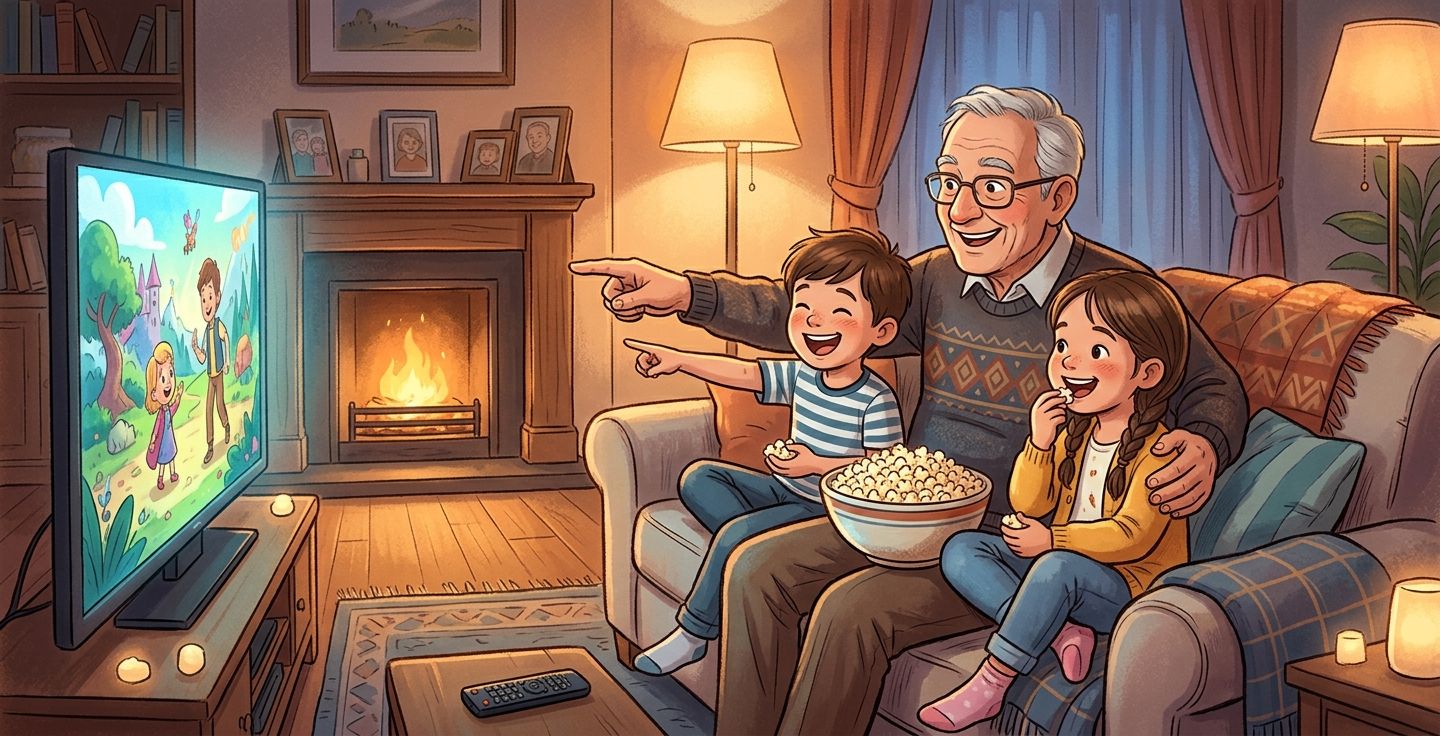
We have a beautiful opportunity right now, my friends. You hold the history of these great stories in your hands and in your memories. Do not let these classic films gather dust in the forgotten corners of your mind. Find a quiet Sunday afternoon when the world slows down. Make a big, buttery bowl of popcorn. Sit down with the younger folks in your life.
Show them Gary Cooper (1901-1961) standing alone at high noon, facing down fear itself. Show them the quiet, unshakeable dignity of Sidney Poitier (1927-2022) calmly demanding respect in a divided world. Tell them exactly why these stories mattered to you when you were their age. Explain how these moving pictures gave us a reliable moral compass when the real world felt entirely upside down. You are not just showing them a piece of old entertainment. You are passing down a vital legacy of resilience. You are teaching them how to be the heroes of their own upcoming stories. The world will always need heroes, and it is up to us to show them what a true hero looks like.
Now, I know some of you might have a few lingering questions about how all this cinematic history came to be. It is a big topic. Let us explore some common curiosities folks often have about our shared movie history.