
Culture & Traditions
How Barbecue Became a Regional Identity
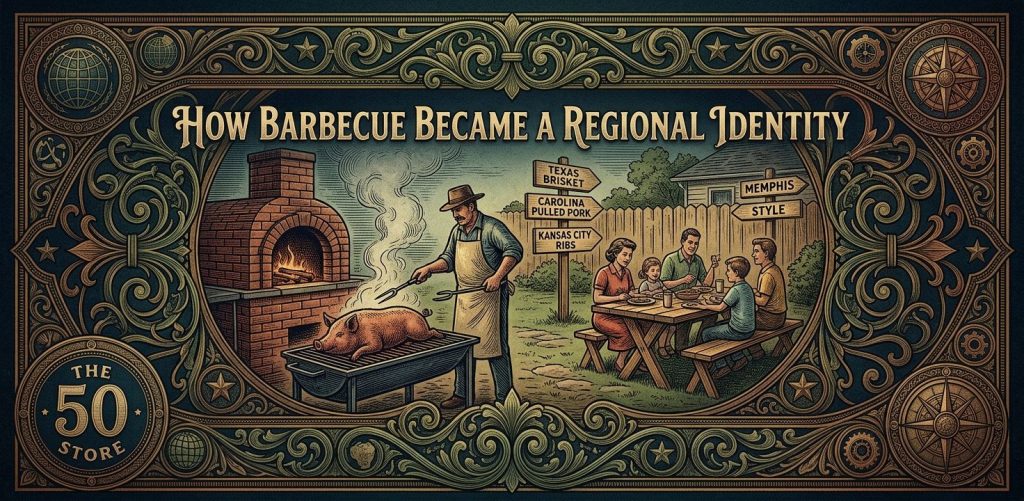
The Scent of an American Weekend
The scent hits you before you even turn the corner. It is a sweet, woody perfume hanging heavy in the late afternoon air. Hickory, maybe oak, mixed with the unmistakable aroma of rendering fat and spices. You hear the screen door slam. You hear the laughter of children running through the yard. You see neighbors wandering over with empty plates and hopeful smiles. This is the scene of an American weekend. We gather around the fire, just as our ancestors did, to share a meal and swap stories. The humble cookout is a cornerstone of our community.
But if you load up the station wagon and drive across this vast country, you will notice something peculiar. The smoke begins to smell a little different. The meat on the plate changes entirely. The sauces go from thick and sweet to thin and sharp. Suddenly, the friendly backyard gathering becomes a fierce point of pride. Folks will argue politely, but firmly, about the proper way to dress a rack of ribs or chop a pork shoulder. The folks in Carolina shake their heads at the heavy tomato sauces of the Midwest. The Texans firmly believe that putting anything but salt and pepper on a brisket is a crime.
How did this happen? How did a basic method of cooking meat over an open flame become the very thing that divides our maps and defines our local pride? Why does a plate of ribs in Memphis look and taste entirely different from a plate of ribs in Kansas City?
A Nation Obsessed with the Flame
The answer is an incredible story of migration, necessity, and local ingenuity. Our distinct barbecue styles are actually a map of our history. They show us who settled where, what animals they raised, and what spices they could afford.
Before we look at the history, it helps to understand just how deeply this is ingrained in us today. We are a nation obsessed with the flame. According to a recent survey by the Hearth, Patio and Barbecue Association, a staggering eighty percent of American adults own a grill or smoker. That is an astonishing number. Even more surprising is the dedication of these backyard cooks. Nearly seventy percent of them fire up their pits year-round. They do not let a little snow or winter frost stop them from maintaining their coals. It is not just a casual weekend hobby anymore. Market researchers note that the commercial barbecue restaurant industry is valued at over four billion dollars. This culinary tradition has evolved from simple survival to a massive point of cultural pride.
The Trolley Barn of Kansas City
To understand how this pride became so deeply regional, we have to look closely at the people who built the fires. We have to look at the quiet innovators who turned tough cuts of meat into tender delicacies.
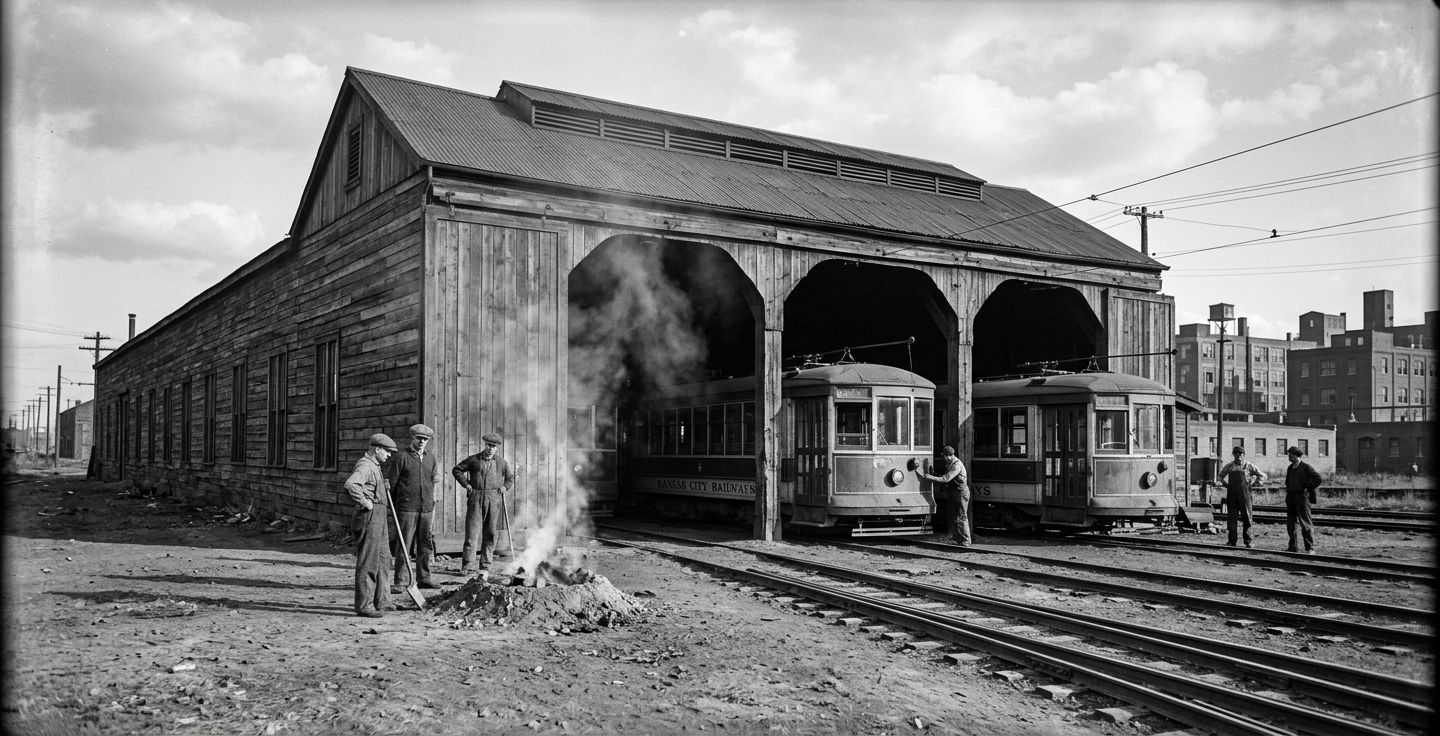
Take a walk down the memory lanes of Kansas City, Missouri. Today, this city is famous for its thick, sweet sauces and its incredible variety of meats. But this entire regional barbecue empire traces its roots back to one hardworking man. His name was Henry Perry (1875-1940).
Born in Tennessee, Perry moved to Kansas City and started serving food to workers in the early twentieth century. He did not have a fancy restaurant. He started in an old, abandoned trolley barn. He dug a pit right there in the ground. He cooked whatever he could get his hands on. In those early days, that meant raccoon and possum, alongside the beef and pork. He wrapped the smoked meat in simple newspaper and sold it for pennies.
Perry was the original pitmaster of the region. He recognized that Kansas City was a bustling hub for the railroads and the meatpacking industry. Cows and pigs were coming in from all over the plains. He used the abundant local hickory and oak wood to smoke these meats. His original sauce was not the sweet concoction we know today. It was harsh and peppery. However, the men who worked for him later softened the recipe with molasses and tomato to suit a wider range of tastes. Henry Perry created a uniquely Midwestern crossroads of flavor. The trolley barn is long gone, but his legacy lives on in every sticky, sweet bite.
The Butchers of the Texas Hill Country
If we travel south, the story changes completely. Down in the Texas Hill Country, the sweet sauce disappears. The pork is replaced by massive cuts of beef.
Imagine the dusty streets of Lockhart, Texas in the late nineteenth century. Many European immigrants, particularly Germans and Czechs, had settled in this unforgiving landscape. They were butchers by trade. They opened small meat markets to serve the local farmers and cowboys. Before modern refrigeration, preserving meat in the blistering Texas heat was a constant struggle.
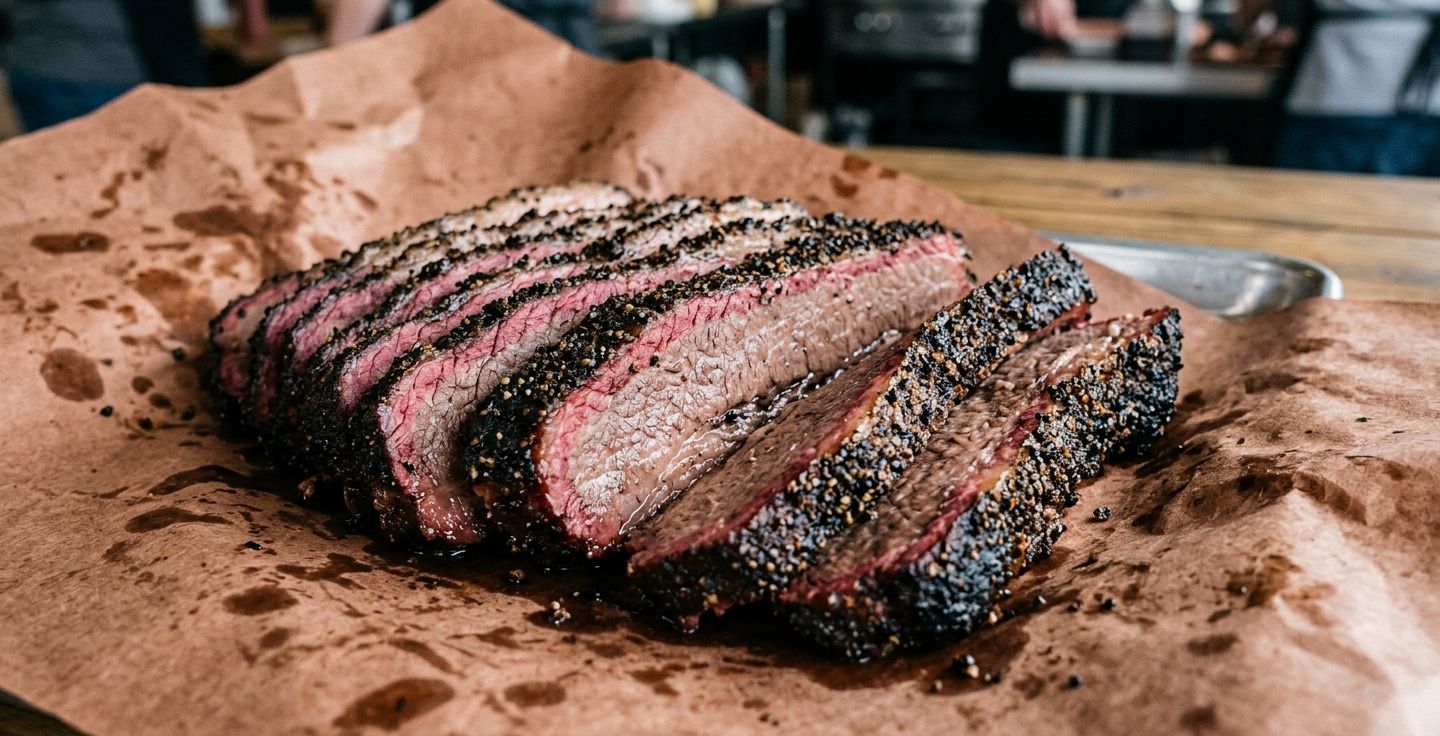
These butchers had a practical solution. They took the leftover cuts of beef, particularly the tough, fatty brisket, and smoked them. They used the native post oak wood that grew all around the region. They seasoned the meat with nothing but coarse salt and black pepper. They cooked it low and slow for hours on end, until the tough muscle fibers broke down into buttery perfection.
This was not initially meant to be a restaurant experience. It was simply a way to avoid waste. Customers would walk into the meat market, buy a pound of smoked beef, and eat it right off a piece of thick butcher paper. There were no plates or forks. There was no sweet sauce to mask the flavor of the beef and the beautiful pink smoke ring that formed just beneath the crust. Today, Lockhart is recognized as the barbecue capital of Texas. The descendants of those original butchers are still running the pits, using the exact same methods.
The Whole Hog of the Carolinas
Then we have the deep, old roots of the Carolinas. This is where American barbecue truly began. It is a story of community gatherings and whole hog cooking.
In the coastal plains of North Carolina, the tradition was born from a mix of Native American smoking techniques, European livestock, and the culinary genius of enslaved African Americans. When a community had a successful harvest, they would dig a massive trench in the ground. They would fill it with hot hardwood coals. They would butterfly a whole pig and lay it over the heat for an entire day or night.
The sauce here is as old as the country itself. It is a sharp, thin mixture of apple cider vinegar, crushed red pepper flakes, and a little salt. The vinegar cuts through the rich, heavy fat of the pork. It brightens the flavor. In western North Carolina, a group of German settlers later added a little tomato to the mix. Down in South Carolina, German immigrants brought their beloved mustard, creating a bright yellow sauce that is entirely unique to the area. Each adjustment was a reflection of the people who called that patch of dirt their home.
Passing the Tongs
All of these histories are part of our nation. Every time you strike a match and light a pile of charcoal, you are keeping these stories alive. You are participating in a ritual that has sustained our people through good times and bad.
I see the younger folks today stepping up to the pits. I see them carefully monitoring the temperatures, rubbing the briskets, and mixing their own secret sauces. It fills my heart with a profound sense of hope. The world changes so incredibly fast. It is easy to feel left behind by the pace of it all. But some things do not change. The patience required to smoke a pork shoulder cannot be rushed by modern technology. The joy of pulling a tender rack of ribs off the grate remains exactly the same as it was fifty years ago.
So, I encourage you to embrace this heritage. Go visit that local joint down the street. Take a road trip to a new state and taste their version of this great American meal. Better yet, invite your neighbors over this weekend. Teach your children or your grandchildren how to build a proper fire. Show them how to wait patiently. Let them smell the woodsmoke and feel the warmth of the embers. Pass the tongs to the next generation. We have a wonderful future ahead of us, as long as we remember to sit down and share a good meal together.