
Culture & Traditions
Why Thanksgiving Is the Most Important Family Holiday
The Scent of November Air
I remember the exact smell of roasting turkey hitting the cold November air before we even reached the front porch of my childhood home. The wood planks creaked under my boots. Inside, the heat of the oven mixed with loud laughter and the clinking of real silver against china plates. We live in a bustling, high speed country now. The hands on the clock seem to spin faster every single year. Our children and grandchildren are scattered from coast to coast. They chase careers, education, and bright new dreams across the map. It is a beautiful thing to witness their ambition. But it leaves our dining room tables a little emptier on regular Tuesday nights.
The Rush and the Reason
This is the reality of our modern era. We have devices that connect us instantly, yet we often feel isolated. We send quick texts instead of sitting on the porch to talk. Life is a blur of schedules. Yet, every fourth Thursday in November, something pulls us all back. The highways jam for miles. The airports overflow with anxious travelers carrying wrapped gifts. We face flight delays and bad weather. We pack our bags, corral the little ones, and deal with all the fuss.
Why do we put ourselves through this massive annual migration? Why is this specific, food heavy Thursday still the beating heart of the American family? Why, out of all the days on the calendar, is this one the absolute most vital?
The Anchor We Desperately Need
We do it because we inherently know we need it. This day is our national anchor. It forces us to stop. It demands that we sit down, look each other in the eye, and recognize our shared humanity.
The Science of Giving Thanks
You might be surprised by the sheer scale of this homeward pull. The Bureau of Transportation Statistics notes that the number of long distance trips increases by 54 percent over the holiday weekend. The American Automobile Association predicted over 55 million travelers hit the roads just last year. We also consume an astonishing amount of food together. The National Turkey Federation reports Americans eat roughly 46 million turkeys on this single day.
But it is not just about the travel or the heavy plates of food. It is about what happens inside our minds and our hearts when we practice deep gratitude. Research from the Greater Good Science Center at the University of California Berkeley shows that a dedicated practice of thankfulness actually rewires our brains. It reduces stress hormones, improves sleep quality, and lowers rates of depression. We travel thousands of miles just to sit down and be thankful because our bodies and souls physically need the medicine of gratitude.
The Woman Who Knit a Nation Together
Let me tell you a story about a woman who understood this deep need long before interstate highways existed. Her name was Sarah Josepha Hale (1788-1879). She was a young widow left to raise five children. She eventually became a popular magazine editor and author of the famous poem about a little lamb.
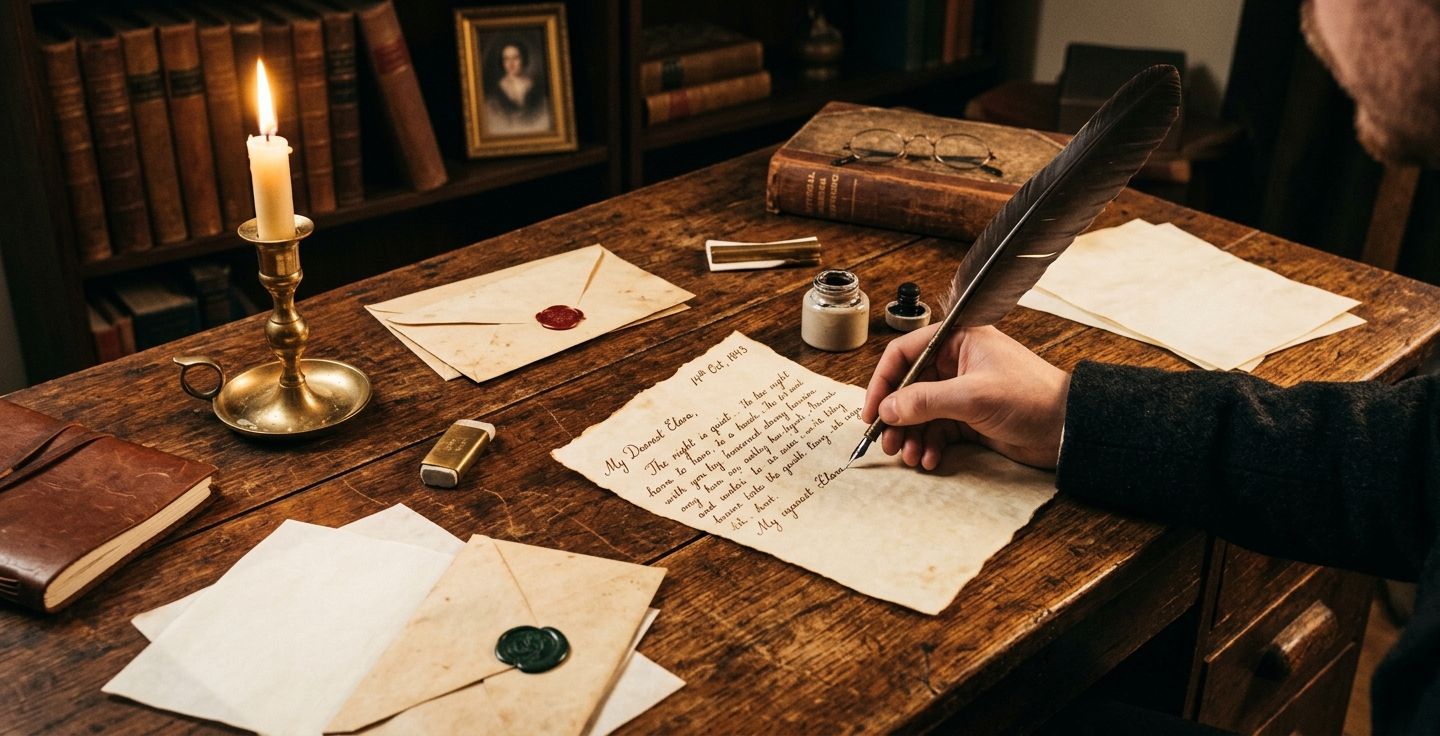
But her true mission was knitting this fractured nation together. She watched the country tearing itself apart in the bitter years leading up to the Civil War. Sarah believed we desperately needed a shared experience. For seventeen long years, she sat at her desk, writing passionate letters to governors and presidents. She begged them to establish a unified day of giving thanks.
She believed that if every family, in every state, sat down to the exact same meal on the exact same day, we could remember that we were one people. She understood that a national Thanksgiving was the only way to heal our hearts. Finally, a weary president listened to her pleas. Abraham Lincoln (1809-1865) read her heartfelt letter. In the darkest, bloodiest days of 1863, he officially proclaimed a national day of Thanksgiving. One single woman with a pen reminded a broken country that we are a family.
Footsteps on Leyden Street
Let us talk about a physical place that echoes with this same spirit. If you ever walk down Leyden Street in Plymouth, Massachusetts, you will feel the incredible weight of history under your feet. It is the oldest continuously inhabited street in the original colonies.
Over four hundred years ago, a small group of weary survivors huddled near that exact spot. They had crossed a terrifying ocean. They had lost exactly half their people to the bitter, unforgiving winter. Grief was their constant companion. Yet, when the autumn harvest finally came, they made a choice. They chose gratitude over despair. They invited the Wampanoag people, who had taught them how to plant corn and survive the harsh land, to share a three day harvest feast. They did not have much. Their clothes were worn, and their homes were simple wooden structures. But they shared what they had. That is the very essence of American history. We survive by leaning on each other.
Embracing the Chaos
As you sit with your own loved ones this year, take a quiet moment to really look around the table. You will see different generations sitting shoulder to shoulder. You will likely see different political opinions and different worldviews. You might even look at a few empty chairs that absolutely break your heart. Loss is a part of our journey. But the sheer beauty is that you are together right now, in this moment.
This day asks nothing of us except our presence. It does not demand expensive gifts or fancy decorations. It only asks for a warm heart and an open door. Pass the mashed potatoes. Laugh at the terrible jokes. Tell the old stories about your grandparents so the little ones know where they came from. Ask your grandchildren what gives them hope for tomorrow.
Passing the Torch
I want to tell you a secret about our youth. The future is incredibly bright. Our young people are brilliant and deeply kind. They are more than ready to carry on the light of our communities. We do not need to worry about them. We just need to give them a solid foundation to stand on. There is absolutely no deeper root in this world than our family traditions. When we gather together, we show them they belong to something bigger than themselves.
Do not stress if the turkey is a little dry this year. Do not worry if the pie crust crumbles or if the kids spill cranberry sauce. Those are the moments you will laugh about a decade from now. The perfection of the holiday is found in its beautiful imperfections. It is found in the noisy, chaotic mess of bringing human beings together under one roof.
Open your doors wide. Welcome the stranger. Hug your children tight. Look toward the days ahead with bright optimism. We are raising wonderful future generations who will sit at these same tables long after we are gone. They will remember the warmth they felt today. They will remember we chose to be thankful.
Common Questions About Our Favorite Thursday
You might have some questions about our favorite November holiday. I know my grandchildren always have a few curious thoughts when they watch me pulling the roasting pan out of the oven. Here are a few things people often wonder about our beloved day.