
American Mythos & National Character
Why Hard Work Is So Deeply Valued in America
Red White Brewed Eagle Beer T Shirt
Wear your story with pride! Celebrate classic American values, history, and heritage with our premium crafted apparel, designed for comfort and durability.
The Dawn Chorus of the Working Man
The coffee is always brewing before the sun comes up. There is a quiet magic in the predawn hours when the streets are still slick with morning dew. The only sound is the low hum of engines carrying folks to their shifts. I remember the crisp mornings of my youth vividly. We would wake up in the dark, pull on cold boots, and step out into the brisk air. It was a rhythm we all shared. It was the steady rhythm of a country waking up to build, to fix, and to grow. You could hear it in the clinking of metal lunchboxes and the heavy thud of truck doors closing. We did not complain about the early hour or the cold. We just got up and went to work. That shared routine created a profound bond among neighbors. We knew that across town, someone else was tying their boots and facing the exact same morning.

Red White Brewed Eagle Beer T Shirt
Wear your story with pride! Celebrate classic American values, history, and heritage with our premium crafted apparel, designed for comfort and durability.
Red White Brewed Eagle Beer T Shirt
Wear your story with pride! Celebrate classic American values, history, and heritage with our premium crafted apparel, designed for comfort and durability.
The Numbers Behind Our Calluses
Things look a bit different now, but the pulse remains exactly the same. You might find it surprising to learn just how much we still labor in this country. Recent data from the Organization for Economic Cooperation and Development shows the average American worker puts in roughly 1,811 hours every single year. That is hundreds of hours more than our friends in countries like Germany or the United Kingdom. Furthermore, the Bureau of Labor Statistics notes that nearly thirty percent of employed Americans do some work on weekends. We are a nation in constant motion. We are always reaching for the next rung on the ladder. It is a stunning reality to consider. Despite all the modern conveniences designed to save us time, we choose to invest that saved time right back into our labor.
A Changing Landscape of Labor
This brings us to a fascinating crossroads. The landscape of our daily tasks has shifted entirely over the last few decades. The towering factories of my childhood have largely given way to quiet offices and glowing screens. The heavy lifting is often done by complex machines, and a lot of the modern sweat is mental rather than physical. We are connected at all hours of the day and night. People carry their offices right in their pockets. This constant connection has created entirely new challenges for the working class. It can make folks feel completely exhausted. It can blur the lines between the sanctuary of home life and the demands of the job.
So, Why Do We Keep Pushing?
Why do we keep pushing so hard in the face of these changes? What is it about the American spirit that refuses to clock out when the rest of the world rests? Are we simply restless by nature? Or is there something deeper, something profoundly beautiful about our commitment to effort?
The Answer Lies in Our Roots
The answer is deeply rooted in our historical belief in self determination. For generations, the effort we put into our days has been the clearest path to freedom. It is the very core of our work ethic. We firmly believe that no matter where you start in life, the application of your own hands and mind can shape your destiny. Labor is our great equalizer. It is the most reliable tool we use to carve out a better future for the children sleeping in the beds we bought. We value the sweat of the brow because it represents our personal autonomy.
A Fortune Built on Suds and Sweat
Look back at the remarkable stories that built our nation. Think about Madam C. J. Walker (1867-1919). Sarah Breedlove, as she was known before her immense success, started her adult life with practically nothing. She spent years bending over a wooden washboard. She scrubbed clothes for meager pay just to keep her young daughter fed and clothed. Her hands were raw, and her back ached every single night. Yet, she used that grueling discipline to forge a completely new path forward. She experimented with hair care formulas in her rare spare moments. She traveled door to door across the country. She sold her creations directly to women who had been entirely ignored by the broader market. Through sheer will, she became one of the first self made female millionaires in our nation. Her story is a perfect testament to extraordinary perseverance. She did not just build a highly profitable business. She built modern factories, vibrant salons, and educational training schools. She empowered thousands of other women to find their own financial independence through dedicated effort.
The Bricks of Main Street
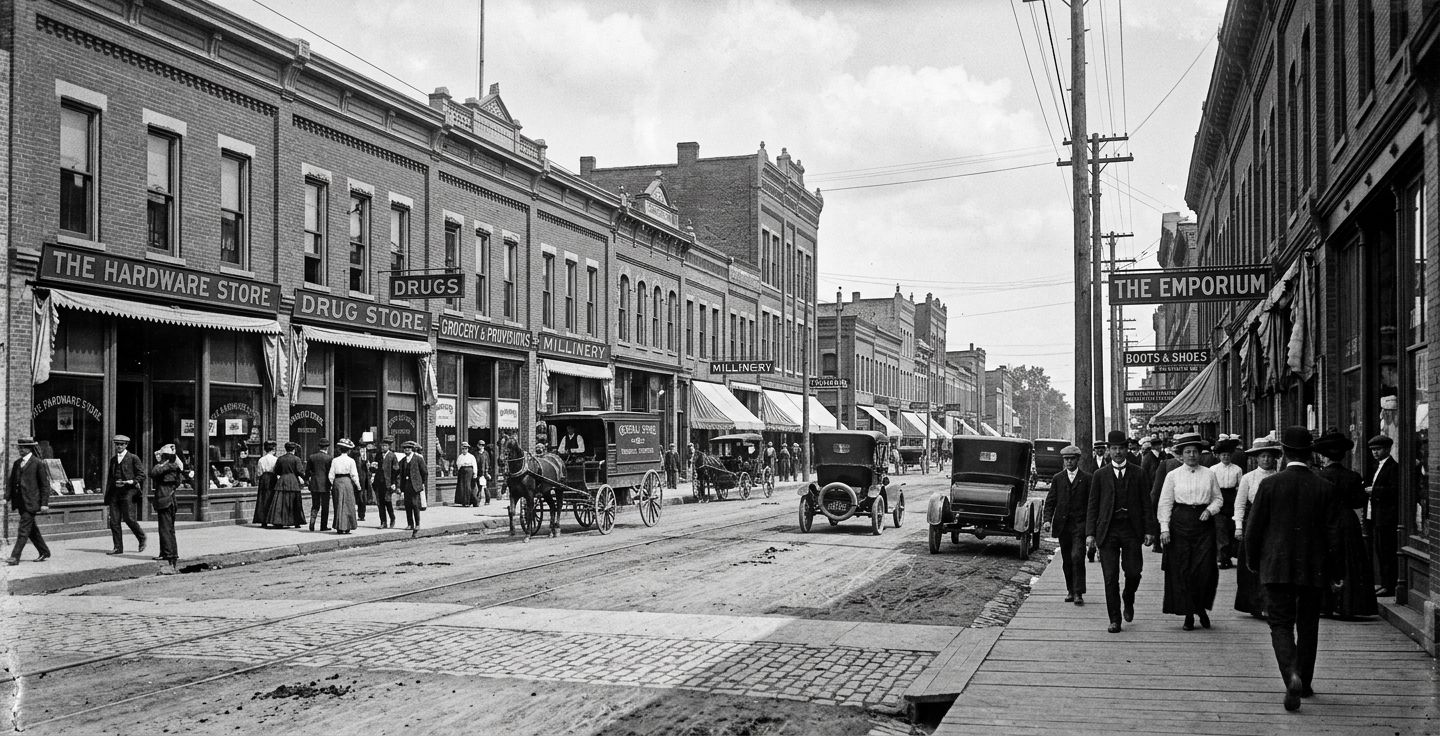
You can see this same relentless spirit etched into the very map of our country. Take a leisurely stroll down Main Street in Galena, Illinois. Today, it is a picturesque avenue lined with wonderful antique shops and charming local bakeries. But those beautiful, curved brick buildings tell a much harder story. In the middle of the nineteenth century, Galena was a rugged, booming lead mining town. It was louder, rougher, and dirtier than Chicago at the time. Men carved heavy lead from the earth with simple pickaxes. Massive steamboats crowded the river, blowing thick black smoke into the sky. When the lead finally dried up and the new railroads bypassed the river, the town could have easily withered away into a ghost town. But the people living there simply rolled up their sleeves and pivoted. They turned their attention to farming the surrounding hills. They turned to local commerce. The shopkeepers and merchants kept those brick walls standing through sheer determination. They preserved their home against all odds. That street stands beautifully today because the folks who lived there refused to let their town die.
The Modern Face of the Old Promise
I look at the younger folks today, and my heart swells with a tremendous amount of hope. It is very easy for older generations to grumble and say things were harder back in our day. But I see the incredible resilience of the youth. They are navigating a highly complex and rapidly changing world. They are starting small businesses from their kitchen tables using tools I can barely understand. They are juggling multiple gigs just to make ends meet. They are teaching themselves complicated new skills online late at night after the kids go to sleep. They deeply want to find real purpose in their paychecks. The tools have certainly changed, but the fundamental dream remains exactly the same. They still passionately chase the American Dream. They want to build something they can proudly call their own, and they are willing to put in the hours to get there.
Passing the Torch
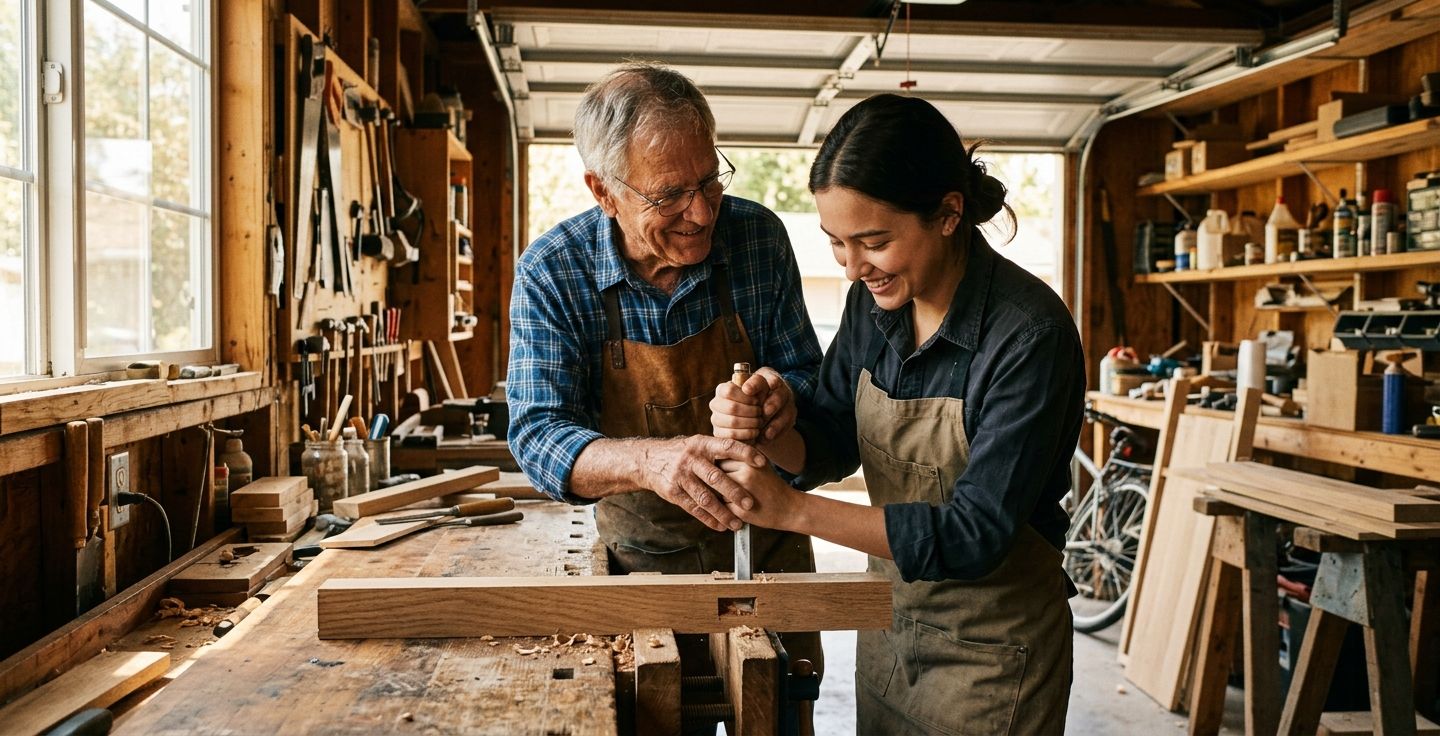
We owe it to them to recognize and celebrate this shared heritage. The prosperity we enjoy today was not handed to us on a silver platter. It was earned. It was earned in the hot steel mills, on the endless miles of rural farmland, and in the bustling city shops. Now, it is being earned by brilliant young minds writing code and creating new forms of art. Take the time to share your stories with the younger folks in your life. Tell them about your very first job. Tell them about the painful mistakes you made and the valuable lessons you learned from them. Let them know that their current struggles are simply part of a long, proud tradition. Hard work is not a punishment. It is a profound privilege. It is the quiet, noble act of building a meaningful life.
Frequently Asked Questions
Why is hard work considered a core American value?
It stems from the founding ideals of self reliance and independence. Early settlers and immigrants had to physically build their communities from the ground up. This created a strong culture where individual effort was directly tied to survival and eventual success. Over time, this daily necessity transformed into a deep seated moral virtue that we still hold dear today.
How has the definition of hard work changed over the decades?
In my youth, hard work was often measured by physical exhaustion and long hours in factories or fields. Today, it encompasses mental agility, constant learning, and emotional dedication. While the physical toll might be less in many modern professions, the mental stamina required to navigate today’s fast paced environment is truly remarkable and just as demanding.
Does hard work still guarantee success in America today?
Success is never an absolute guarantee, as life is full of unexpected turns and hurdles. However, consistent effort remains the most reliable engine for progress. The definition of success is also broadening nicely. It is not just about financial wealth anymore. It is about personal fulfillment, providing for loved ones, and leaving a positive mark on your local community.
How do we teach the value of hard work to the younger generation?
We lead by example and share our honest stories. We should not just tell them to work hard. We need to show them the deep satisfaction that comes from completing a difficult task. Give them responsibilities early on, praise their effort rather than just the final result, and help them find passions that make the effort feel entirely worthwhile.
What role did immigrants play in shaping this national mindset?
Immigrants are the very heartbeat of our historical work culture. People arrived on these shores often with nothing but a willingness to labor. Their intense drive to create better lives for their children injected an incredible energy into the entire nation. Their ongoing stories of sacrifice and triumph continually renew our collective appreciation for dedicated effort.
Is it possible to value hard work while avoiding burnout?
Absolutely. Hard work does not mean working until you break. True wisdom lies in balancing dedicated labor with dedicated rest. The older I get, the more I realize that taking time to sit on the front porch, enjoy family dinners, and rest the mind is exactly what gives us the vital strength to work hard again the next day.
How does community tie into the concept of labor?
We rarely work entirely for ourselves. The roads we drive on, the schools our children attend, and the local businesses we patronize are all built by collective labor over many years. When we work hard, we are contributing our small piece to the giant puzzle of our community. Our individual efforts weave the safety net that supports us all.