
American Sports & Pastimes
Why American Football Is So Popular in the U.S.
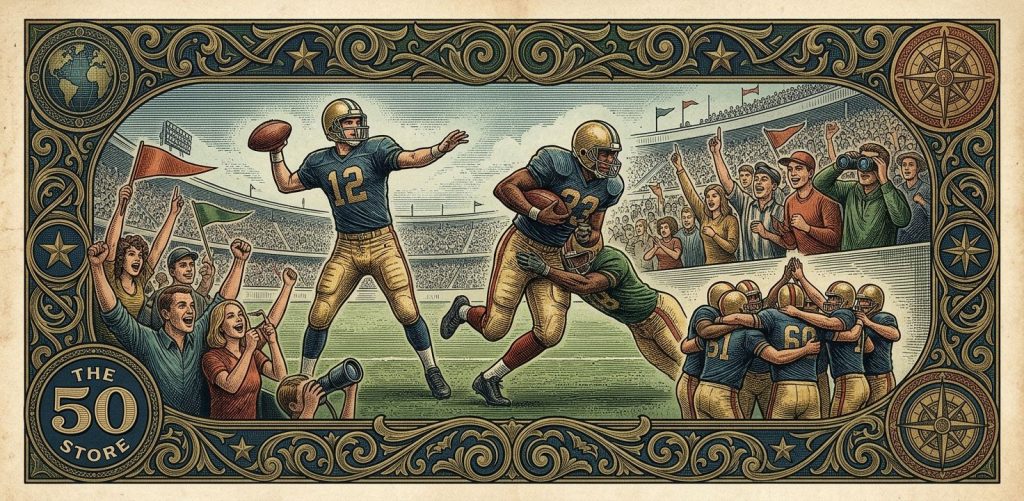
The leaves begin to turn brilliant shades of gold, crimson, and amber. The sweltering heat of summer finally breaks. A familiar crisp bite fills the evening air. Across the country, you can hear a distinct sound echoing through small towns and big cities alike. It is the sharp whistle of a referee. It is the rhythmic thud of a marching band drumline practicing on a Tuesday afternoon. It is the murmur of neighbors gathering in aluminum bleachers under the bright Friday night lights. This is the unmistakable arrival of autumn.
We are a nation blessed with countless pastimes. We have the slow, poetic grace of baseball. We have the lightning fast agility of basketball. We have ice hockey in the colder regions and soccer fields filled with children every weekend. Yet, when autumn arrives, one single sport manages to halt our busy lives. It commands our television screens and dominates our conversations at the local diner. Why this game? Why does a contest played with an oddly shaped leather ball captivate so many of us?
What exactly makes American football the undisputed heartbeat of our autumns and the most popular sport in the land?
The answer goes far beyond the rules of the game. It is a deeply woven tapestry of history, community, and a shared ritual that binds generations together.
Grill Chill And Freedom BBQ T Shirt
Wear your story with pride! Celebrate classic American values, history, and heritage with our premium crafted apparel, designed for comfort and durability.
The Birth of a Uniquely American Tradition
Every great tradition has an origin story. To truly understand our deep love for the gridiron, we must look back to our history. Let me tell you about a brilliant young man named Walter Camp (b. 1859, d. 1925). In the late nineteenth century, he was a student at Yale. At that time, college boys played a chaotic, bruising game that was a confusing mixture of rugby and soccer. It was a beautiful display of youthful energy, but it lacked structure.
Walter was a man who appreciated order. He saw the potential for something more strategic. He introduced the concept of the line of scrimmage to separate the two teams before a play. He created the system of downs and distance, requiring a team to advance the ball a certain number of yards to keep possession. Suddenly, a wild free for all became a thoughtful game of physical chess. Young men in heavy wool sweaters now had to rely on teamwork, strategy, and discipline. He gave the sport its foundational soul. He changed everything.

Grill Chill And Freedom BBQ T Shirt
Wear your story with pride! Celebrate classic American values, history, and heritage with our premium crafted apparel, designed for comfort and durability.
Grill Chill And Freedom BBQ T Shirt
Wear your story with pride! Celebrate classic American values, history, and heritage with our premium crafted apparel, designed for comfort and durability.
A Humble Beginning on a Small City Street
As the game grew in colleges, it also found a home among working people. There is a town in Ohio that holds a sacred place in our national memory. If you ever have the pleasure of walking down the historic streets of Canton, Ohio, you can almost feel the echoes of the early twentieth century.
Back then, Canton was a booming industrial hub. Men worked incredibly long, grueling hours in steel mills and factories. They needed an outlet. They needed something to look forward to on their rare days off. In the late summer of nineteen twenty, a group of team representatives gathered inside a modest car dealership showroom in Canton. They sat on running boards and drank cold beverages. They formed the professional league that would eventually capture the heart of the world.
They were led by incredible figures like Jim Thorpe (b. 1887, d. 1953). Jim was a legendary athlete of Native American descent who brought phenomenal grace and power to the field. These early pioneers did not play for millions of dollars. They played for the sheer love of competition. They wore simple leather helmets. They played on muddy, unkempt fields. That working class determination still beats in the chest of the sport today.
The Numbers Tell a Magnificent Story
You might wonder if my perspective is merely painted by the rosy brush of nostalgia. However, the facts tell a magnificent story of their own. I find it absolutely fascinating to look at the statistics behind our national obsession. According to historical polling data from Gallup, this game has been the absolute favorite sport in the United States since the early nineteen seventies. Recent surveys indicate that an astonishing sixty seven percent of American adults consider themselves fans.
Think about that for a moment. In a country as vast and diverse as ours, it is incredibly rare to find anything that two thirds of us agree on. Yet, we agree on this. If you examine the top one hundred most watched television broadcasts in our entire history, you will find that over eighty of those events are professional football games. The Super Bowl alone routinely draws well over one hundred million viewers every single year.
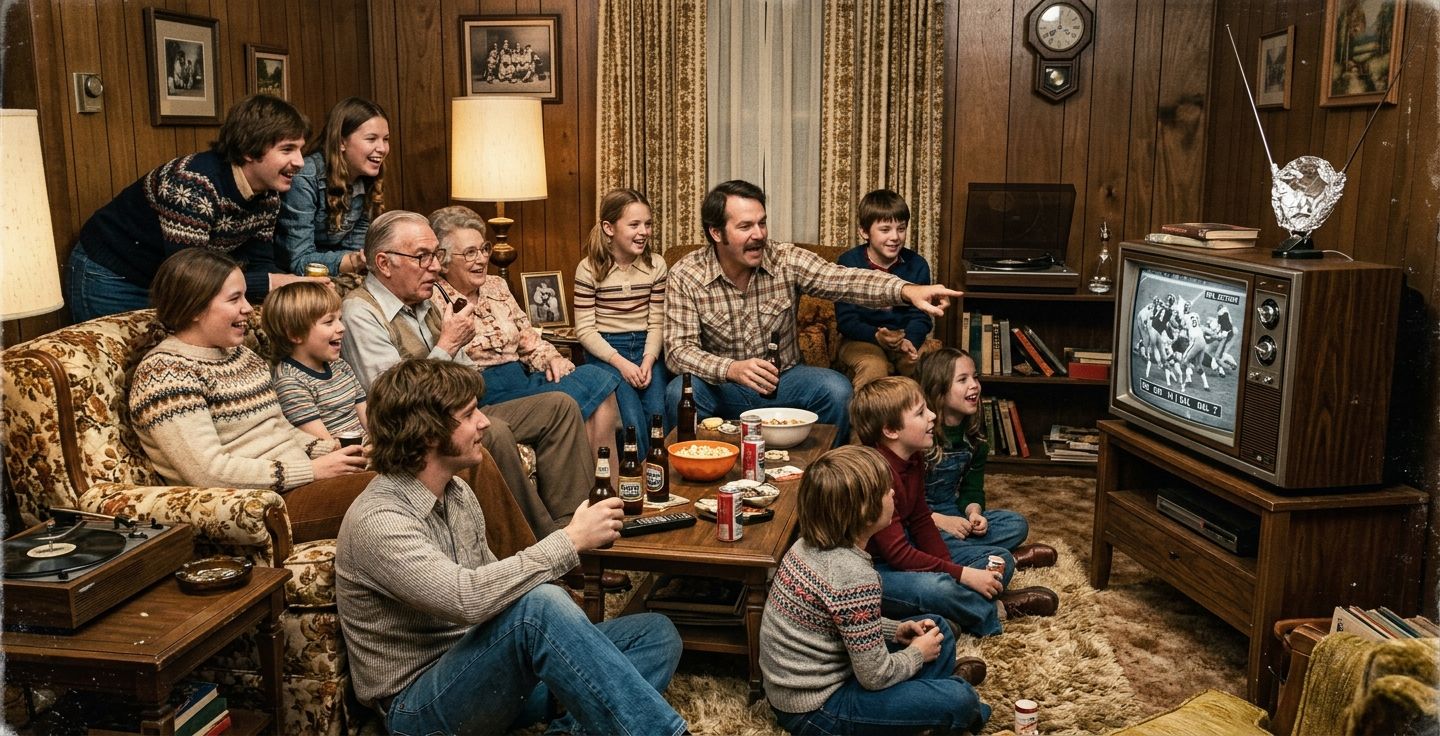
These are not just dry numbers on a piece of paper. Those statistics represent living rooms packed with cheering families. They represent neighbors sharing plates of food, setting aside their daily worries to witness a spectacular event. It is our ultimate modern campfire.
The Joyous Rhythm of the Weekend
One of the most beautiful aspects of the sport is how it dictates the comforting rhythm of our autumn weekends. It creates a schedule of togetherness. Friday nights belong exclusively to the local high schools. Entire neighborhoods shut down their homes and drive over to the local field. We sit in the brisk air, wrapped in blankets, cheering for our neighbors and our children.
Saturday is reserved for the collegiate level. This is where tradition shines brightest. Marching bands play historic fight songs that echo across beautiful campus squares. Alumni return to their alma maters, recalling the golden days of their youth.
Then comes Sunday, a day of rest and professional rivalries. It completes a three day festival of community. Before the games even begin, we partake in the sacred, joyous act of tailgating. We gather in vast parking lots hours before kickoff. We grill hot dogs and burgers over open flames. We share stories, laughter, and warm drinks with complete strangers who happen to wear the same team colors. For those few hours, background and personal differences do not matter. We become one big family.
Legends Who Taught Us How to Live
The sport has also provided us with remarkable leaders who taught us valuable lessons about life itself. When I think of great teachers, I always think of Vince Lombardi (b. 1913, d. 1970). He was a man of deep faith and unyielding principles.
He took a struggling team in the freezing, unforgiving climate of Green Bay, Wisconsin, and molded them into an unforgettable dynasty. Green Bay is a unique place. It is a small city where the community literally owns the team. Lombardi understood the heart of those people. He believed in discipline, relentless hard work, and above all, a profound love for one another. He famously told his players that they must care for the man playing next to them.
His players did not just win championships. They became better, more honorable men. His influence resonated far beyond the painted lines of the field. He taught an entire generation of Americans that true success comes from collective effort and mutual respect. That beautiful lesson still resonates with us deeply today.
A Bright Beacon of Hope for Tomorrow
I often walk down to the local park on crisp Saturday mornings. I sit on a wooden bench and watch the young ones playing touch games in the grass. I see little girls throwing a perfect, tight spiral. I see young boys learning how to stumble, fall, and bravely get back up. That is the true beauty of it all. They are learning resilience in real time.
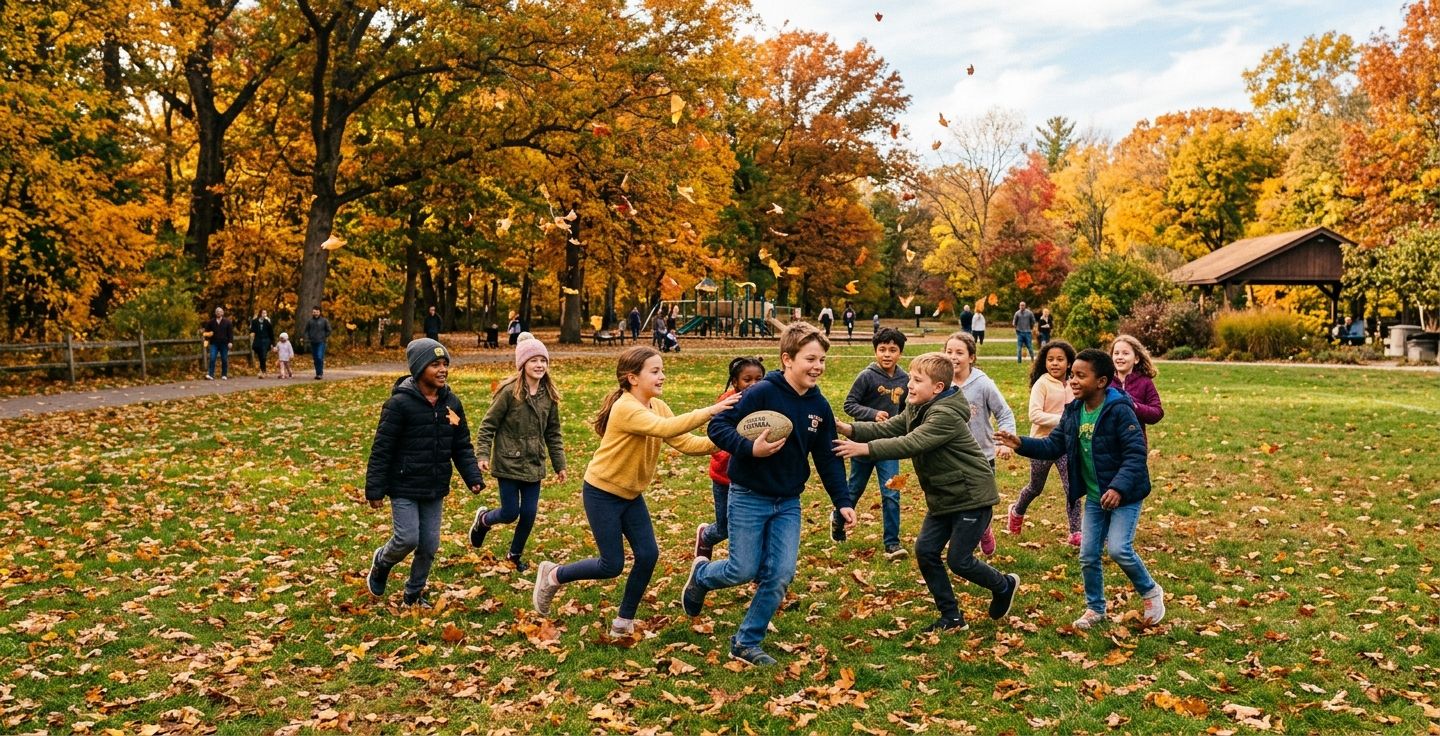
Every time a young player outruns the defense and scores their very first touchdown, they experience a massive surge of confidence. They feel a sense of pure accomplishment that they will carry in their hearts for the rest of their lives. I know some folks worry about the rough nature of the game. However, the sport is constantly evolving and improving. The equipment is getting significantly safer. The rules are changing to protect our precious youth. Coaches are teaching better, safer techniques.
The future of this beloved game is incredibly bright. When I look at these enthusiastic kids, I feel an overwhelming sense of hope. They will carry our fondest traditions forward. They will innovate and make the game their own. They will create beautiful new memories for the generations that follow them.
Common Questions from Curious Minds
Over the years, I have spoken with many folks who did not grow up with the game. They often ask wonderful questions. Here are a few things people frequently wonder about.
Why is the American game so different from soccer and rugby?
It all comes down to the desire for specialized strategy. Early pioneers wanted a game that paused between plays. This allowed teams to huddle, communicate, and execute specific, coordinated plans. It shifted the focus from continuous endurance to short, explosive bursts of tactical teamwork.
What is the historical significance of playing on Thanksgiving Day?
Playing on Thanksgiving dates back to the late nineteenth century. High schools and colleges realized that people had the day off from work and were gathered with family. It naturally became the perfect time to host a big community event. The professional leagues later adopted this wonderful tradition, making it a staple of our holiday celebrations.
How does the sport actively benefit local communities?
Beyond the obvious entertainment value, it provides immense economic support to local businesses. More importantly, youth and high school programs teach vital life skills. They keep kids engaged in positive, supervised activities. They foster a sense of civic pride that unites people from all walks of life.
The Final Whistle
As the seasons change and the years gracefully roll by, some things remain wonderfully constant. The game of football is much more than a simple athletic contest. It is a living history lesson that started with young men at colleges and working folks in industrial towns. It is a testament to our enduring love for strategy, toughness, and collective triumph. From the staggering millions of viewers tuning into the big game, to the humble parking lot cookouts, it is a ritual that reminds us we belong to something larger than ourselves.
It brings neighbors together. It teaches our youth how to face adversity. It gives us a reason to cheer, to hope, and to celebrate the crisp beauty of autumn.
I would love to hear about your own memories. What is your favorite memory associated with this beautiful autumn tradition, and how has it brought your own family closer together?