
American Sports & Pastimes
The Cultural Legacy of the American Bowling Alley
Listen closely. You can hear it before you even open the heavy glass doors. The low rumble of a heavy resin ball rolling down varnished wood. Then comes the sharp chaotic crash of ten pins scattering into the pit. It is a sound that echoes right to the marrow of my bones. It is the sound of Friday nights, first dates, and quiet Tuesday afternoons.
Let us walk through those doors together. The air always carries a distinct scent. It is a comforting blend of floor wax, roasted hot dogs, and just a faint hint of ozone from the electric ball returns. You walk up to the counter. The shoes are lined up on wooden racks, battered but sturdy. Those bold red and green leather shoes tell a thousand stories of the people who wore them before you. Before computerized screens flashed dancing animations above our heads, we had transparent overhead projectors. We used grease pencils to mark down our spares and strikes. A smudge on the acetate sheet was a badge of honor. It meant you were really in the thick of the game.
Let us talk about Arthur for a moment. Arthur ran a small neighborhood lane in a brick building on the corner of Elm and Fourth back in the late 1950s. Arthur was a quiet man with forearms like cured hams from years of hauling equipment and turning wrenches. He knew everyone by their shoe size rather than their last name. He knew that Mrs. Higgins always needed the light blue nine pound ball because her wrist gave her trouble when the weather turned cold. He knew that young Jimmy was trying to impress a girl from his science class, so Arthur would quietly slip him a free soda and offer a subtle nod of encouragement. Arthur never yelled. He just kept the place running like a fine tuned watch. This was not just a business to him. These places were the true gathering halls of our towns. They were the great equalizers. The town doctor and the local plumber threw the exact same ball down the exact same lane.
Fibermaxxing For Maximum Efficiency T Shirt
Wear your story with pride! Celebrate classic American values, history, and heritage with our premium crafted apparel, designed for comfort and durability.
The Golden Age and the Surprising Numbers
That was the situation in nearly every town across the country. We gathered around the polished wood to celebrate our triumphs and bowl away our daily frustrations. It was a golden age of civic engagement. But things changed over the decades.
Here is something that might surprise you, especially if you look around your own town today. Back in the middle of the 1960s, there were roughly twelve thousand bowling alleys scattered across the United States. They were absolutely everywhere. You could not drive a few miles without seeing a giant neon bowling pin glowing against the night sky. Today, the Bowling Proprietors Association of America reports that the number of alleys has dwindled to around three thousand and five hundred. That is a staggering drop in numbers. You might think the sport is fading away completely into the history books.
Yet, the statistics tell a much more hopeful story. According to the United States Bowling Congress, over sixty seven million Americans still bowl at least once a year. Take a moment to digest that number. More people bowl annually than play golf or tennis combined. The physical buildings themselves may be fewer in number, but the heart of the activity beats on strongly. The desire to gather, compete, and cheer remains completely unchanged.
As the decades rolled on, the local lanes evolved. They grew from smoky six lane back rooms into bright sprawling community bowling centers. They became the vibrant anchors of the growing suburban plazas. Entire families flocked to them on the weekends. You would walk in and see rows of gleaming fiberglass seating in bright orange and teal. There were snack bars serving crinkle cut fries in paper boats. There were arcade cabinets blinking in the corner, humming with digital tunes. These centers hosted everything from local union championships to high school graduation parties. They were safe havens for us all.
Fibermaxxing For Maximum Efficiency T Shirt
Wear your story with pride! Celebrate classic American values, history, and heritage with our premium crafted apparel, designed for comfort and durability.
Fibermaxxing For Maximum Efficiency T Shirt
Wear your story with pride! Celebrate classic American values, history, and heritage with our premium crafted apparel, designed for comfort and durability.
A Peculiar East Coast Magic
Let us travel over to the East Coast for a moment to explore a fascinating pocket of history. If you wander through certain neighborhoods in Maryland or Connecticut, you might stumble upon a different kind of magic entirely. I am talking about duckpin bowling history. It is a curious and wonderful variation of the traditional game. The balls are small, roughly the size of a grapefruit, and they weigh less than four pounds. They have no finger holes at all. You just cradle the ball in your palm. The pins are shorter, thicker, and wrapped with a hard rubber band around their bellies to make them bounce wildly.
I remember visiting a small basement alley in Baltimore many years ago. The ceiling was low, and the sound of the clattering pins was absolutely deafening. The old gentleman running the counter, a fellow named Silas, told me stories about the roaring twenties. He claimed that legendary baseball players used to bowl duckpins to keep their pitching arms loose in the winter months. It is significantly harder to get a strike in duckpins than in standard ten pin bowling. Perfect games are virtually nonexistent. Because it is so difficult, the camaraderie is just as intense. People stood closer together. They cheered louder for a simple spare. It was a beautiful microcosm of community resilience.
The Art of the Wood
We rarely thought about the hardworking folks sweating behind the machines to make our games possible. Keeping those lanes in perfect condition was an absolute art form. Proper bowling alley maintenance required immense dedication and a deep understanding of natural materials. Before the heavy automatic pinsetters revolutionized the industry, young men known as pinboys sat up in the dusty rafters. They manually cleared the fallen wood and reset the heavy pins while constantly dodging flying bowling balls. It was exhausting and dangerous work.
Later on, the maintenance became a science of oil patterns on the wooden lanes. A good mechanic could read a lane like an old sailor reads the ocean currents. They knew exactly how the temperature and humidity of the building would affect the hook of a ball. They worked in the quiet hours of the early morning. They buffed the maple and pine boards, ensuring everything was perfectly level for the next day of play.
The Shifting Landscape
So, what happened to the thousands of alleys that ultimately closed their doors? The complication arose from a complex mix of shifting property values, corporate consolidation, and changing entertainment habits. Urban and suburban land simply became too expensive to house large single story buildings. At the same time, people began staying home more often to watch television or play video games in their living rooms. We lost many of our beloved lanes to the wrecking ball. They were replaced by generic strip malls and vast asphalt parking lots.
This massive shift in our cultural landscape raises an important question. Is the era of the local lanes gone forever? Will our grandchildren ever truly know the simple joy of lacing up those funny colored shoes and sliding across the wooden approach?
A Renaissance of Connection
The answer to that question is a resounding joyful yes. We are currently seeing a beautiful revival of the sport. People are fundamentally craving real connection again. They want to put down their glowing screens and engage in something tangible, physical, and shared.
We must always remember the legends who paved the way for this endurance. Take a look at the great Don Carter, born in 1926 and passed away in 2012. He was an absolute master of the game. He showed the entire country that bowling was a true sport requiring immense skill and unwavering concentration. His unusual bent arm style was heavily criticized by the purists of his day. But Don just kept knocking down pins. He proved that it does not matter how unconventional your approach is, as long as you get the job done with integrity. He was the first athlete in any sport to sign a million dollar endorsement deal. He put bowling on the map for the average citizen.
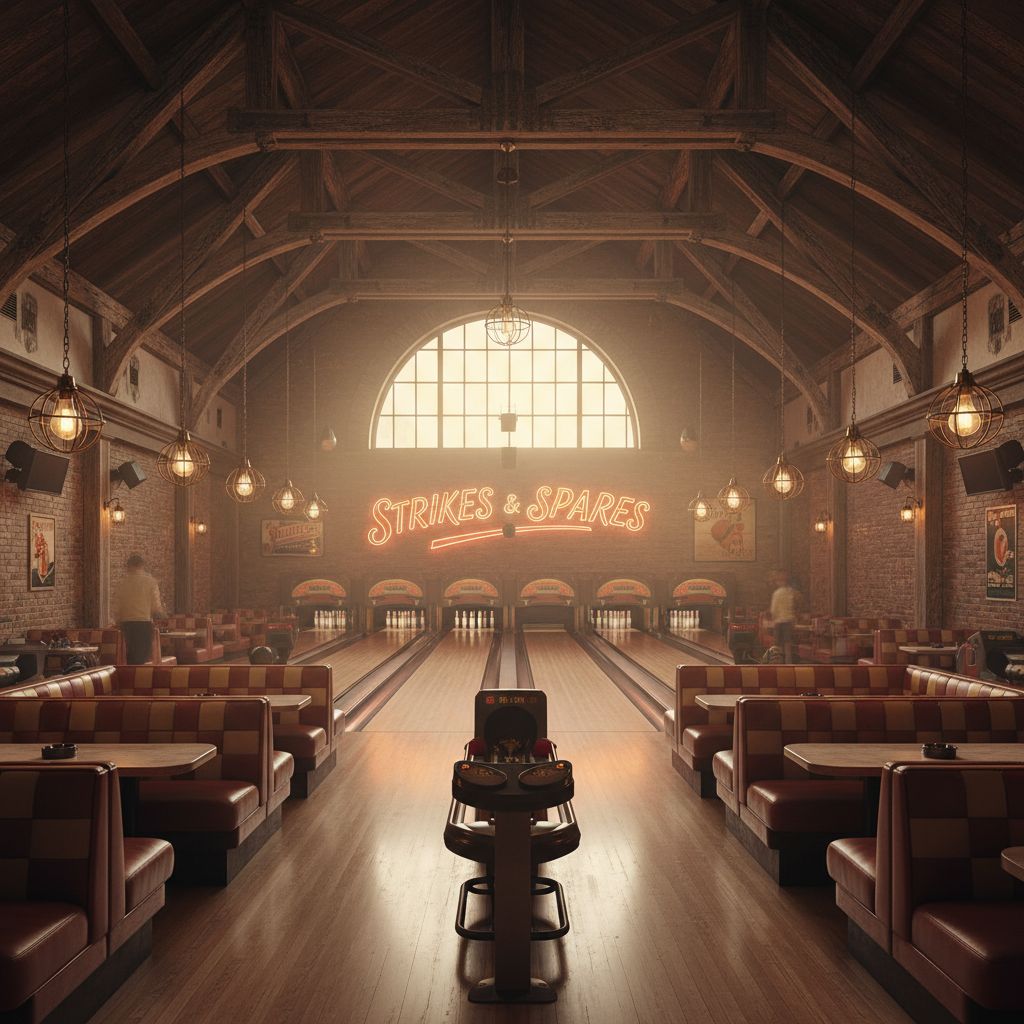
Today, some of the magnificent old spaces are being saved from destruction. If you ever find yourself out in California, you simply must visit Highland Park Bowl in Los Angeles. It was originally established back during the prohibition era in the 1920s. For years, the beautiful original details of the building were hidden away or built over. But recently, a group of people who cared deeply about the past meticulously restored it. They uncovered the breathtaking original bowstring truss roof. They polished the vintage bowling memorabilia until it gleamed like new. They left the old mechanical pinsetters exposed so patrons can watch the intricate machinery at work. It is a stunning living bridge between the past and the present.
Handing Down the Heavy Ball
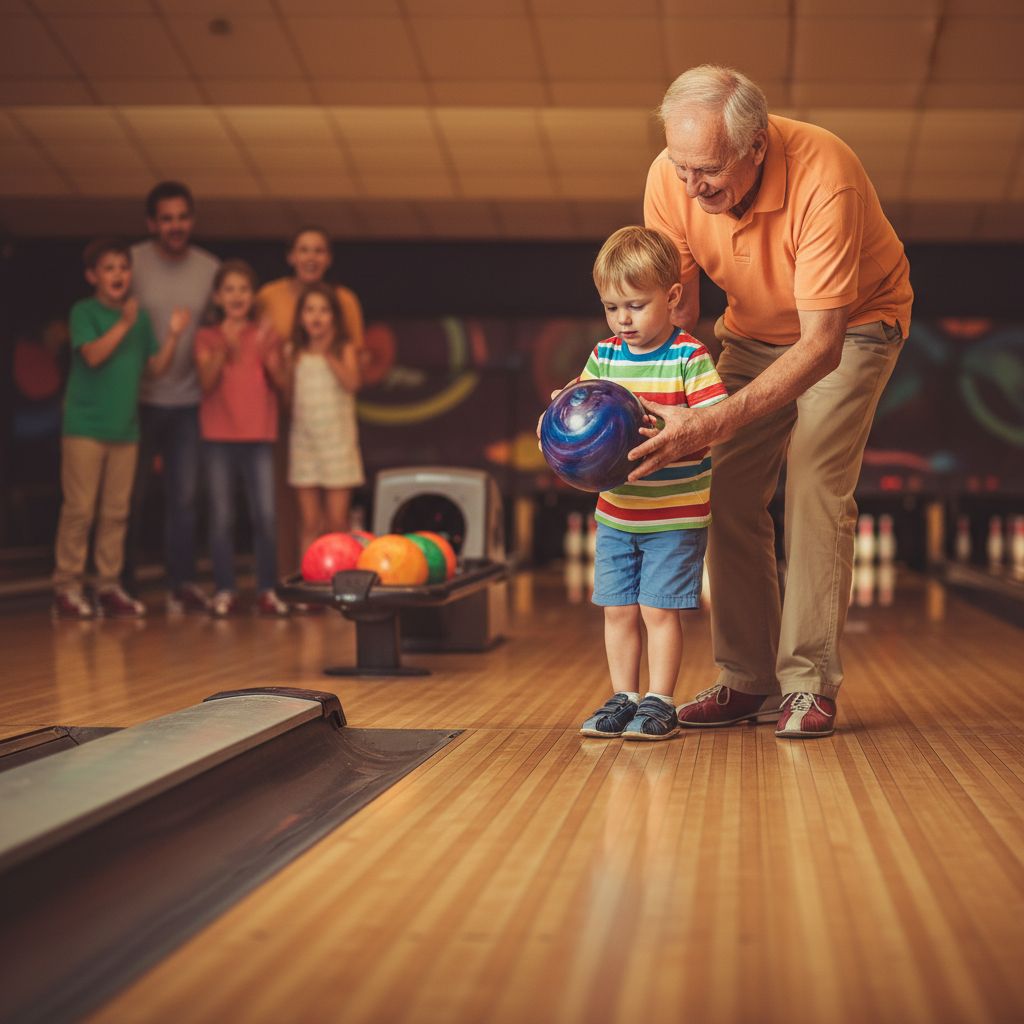
The absolute best part of this revival is watching the lanes on any given day. The tradition continues in ways both old and new. The senior bowling leagues still arrive early on weekday mornings, just like they always did. They bring their custom drilled balls in padded bags. They drink black coffee, share stories about their grandchildren, and offer gentle good natured critiques of each other. It keeps them moving, and it keeps them together.
But then the weekend afternoons arrive, and the entire atmosphere shifts. You see the energetic wonderful chaos of birthday parties bowling. Children are giggling uncontrollably as the neon colored ball slowly rolls down the gutter bumpers to knock over a single pin. The parents are clapping and taking pictures. It brings a profound smile to my face every single time I witness it.
The future of this great American pastime is secured by the dedicated youth bowling programs running nationwide. I often sit and watch these young teenagers intently listening to their volunteer coaches. They are learning the complex physics of rotation and friction without even realizing it. They are learning patience. Most importantly, they are learning how to lose gracefully and win humbly. They learn to shake hands after a match. That is the true lasting legacy of the game.
Questions You Might Be Pondering
You might be reading this and feeling a tug of nostalgia, or perhaps a sudden urge to find your nearest lane. Here are a few questions I often hear when people start talking about the old days of the sport.
Do I need my own equipment to start bowling today?
Not at all. Just like in the old days, every center will gladly rent you a pair of shoes and provide a rack of house balls. As you improve, you might want a ball fitted exactly to your hand, but you can absolutely start with what they provide. The community is incredibly welcoming to newcomers.
Are the wooden lanes gone forever?
Many modern centers use synthetic lane surfaces now because they are incredibly durable and require far less maintenance. However, there are still dedicated proprietors out there who maintain classic maple and pine wooden lanes. There is nothing quite like the soft sound of a ball hitting real wood, and I encourage you to seek out those historic spots.
How can I get my children or grandchildren involved?
The easiest way is to simply take them for a fun afternoon out. Once they discover the joy of knocking down pins, you can ask your local desk attendant about Saturday morning youth leagues. These programs are wonderfully structured, very affordable, and focus heavily on sportsmanship and fun rather than intense competition.
The Final Frame
The American bowling alley has seen its share of changes. We have transitioned from the quiet smoky neighborhood rooms to the massive bright entertainment complexes. We have witnessed the heartbreaking closure of thousands of locations. Yet, the spirit of the game remains entirely unbroken. From the meticulous care of the lanes to the specialized history of the East Coast variations, this sport tells the story of our nation. It is a story of adaptation, community, and simple joys. As long as there are seniors gathering on Tuesday mornings and kids celebrating their milestones on Saturday afternoons, the sounds of crashing pins will continue to echo through our towns.
So, I leave you with this thought. When was the last time you laced up a pair of those famous tricolored shoes, stepped up to the wood, and let go of all your worries?