
American Lifestyle
What Grocery Shopping Is Like in the U.S.
The Bell on the Door and the Aisle of Dreams
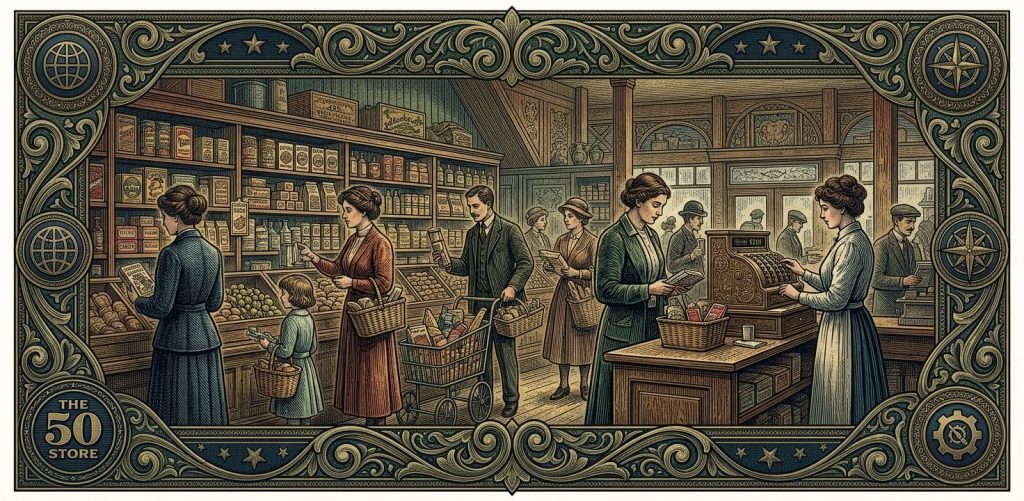
I can still hear the familiar rattle of the wooden door at Mr. Miller’s market. That little brass bell sang a sweet song every single time a neighbor walked in from the cold. The year was nineteen hundred and fifty something. The floorboards were worn smooth by the boots of hardworking folks, creaking a reassuring tune under my feet. The air smelled of roasted coffee beans, dried tobacco, and sweet peppermint sticks resting in heavy glass jars. You did not push a massive cart around back then. You simply walked up to the counter, handed Mr. Miller your handwritten list, and he fetched the items for you. He knew my family. He even knew when my little sister had a terrible cough, throwing in a lemon free of charge. It was a simple, quiet rhythm.
Today, walking into a modern American supermarket feels like stepping onto a brightly lit space station. The automatic doors slide open with a gentle hiss. You are immediately greeted by a massive wall of fifty different types of mustard and aisles that stretch out so far they seem to touch the horizon. The sheer volume of choices can make a person dizzy. We have slowly traded the quiet, personal intimacy of the small corner shop for endless rows of bright packages and self checkout machines.
This massive shift brings up a very important question. With all this overwhelming abundance, how do we keep from losing our connection to the food that sustains us, and to the neighbors who grow it?
The answer is simpler than you might think. That precious connection is still waiting for us. We just need to walk these massive modern aisles with a little more intention and grace.
A Walk Down Jefferson Avenue
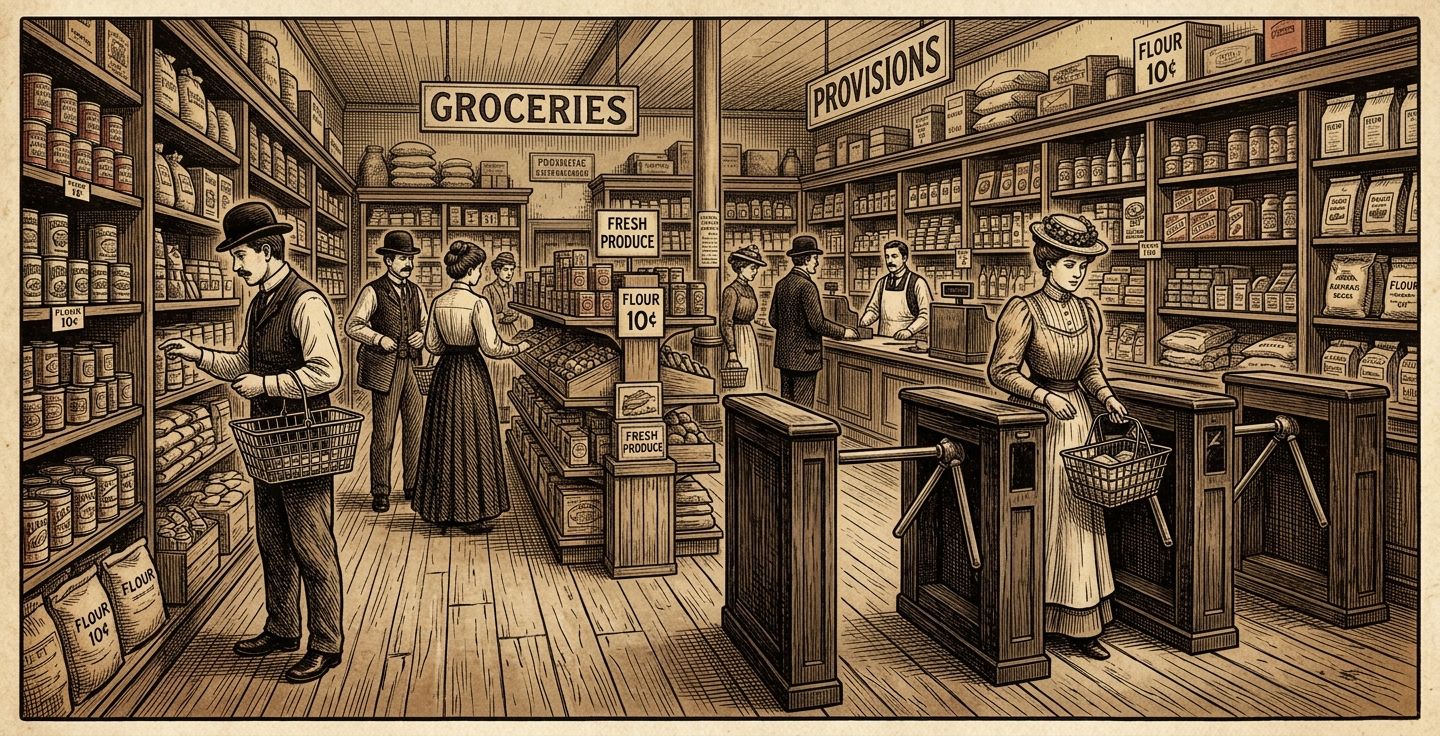
To understand how we arrived at these giant stores, we need to look back at a clever fellow named Clarence Saunders (1881 to 1953). In the autumn of 1916, Clarence opened a strange new store on Jefferson Avenue in Memphis, Tennessee. He called it Piggly Wiggly. Before Clarence, you could not wander up to a shelf and grab a tin of peaches. You had to wait in line and ask a clerk to fetch every item. Clarence thought this was terribly inefficient. He built a new kind of store with wooden turnstiles, price tags on every item, and handed customers their own baskets to pick out their own goods.
People thought the poor man had lost his mind. Why would anyone want to do the fetching themselves? But it worked beautifully. Suddenly, ordinary folks were wandering through the aisles on their own, picking up packages and reading labels. It gave birth to the modern way we navigate our grocery stores today.
The evolution did not stop there. A man named Sylvan Goldman (1898 to 1984) owned a chain of markets in Oklahoma City, Oklahoma. He noticed his customers stopped shopping when their hand baskets became too heavy. In 1937, Sylvan took a folding chair, put wheels on the legs, and placed two wire baskets on the seat. He invented the first version of the modern shopping carts. That little invention changed how we buy food forever, allowing families to stock up for an entire week in one trip.
The Numbers Behind the Shelves
You might wonder how much the grocery world has grown since Clarence and Sylvan changed the rules. The numbers are truly staggering, and they tell a fascinating story about our country.
According to the Food Industry Association, the average American supermarket today carries more than thirty one thousand distinct items. Pause and think about that. Thirty one thousand choices under one roof. Spices from India and cheeses from France sit just steps apart. It is a miracle of modern logistics.
Even more surprising is how we spend our time and money in these spaces. The Time Use Institute reports that the average grocery shopping trip takes exactly forty one minutes. Furthermore, data from the United States Department of Agriculture shows Americans spend roughly six percent of their disposable personal income on food cooked at home. Historically, we have access to more varieties of food at a lower relative cost than almost any generation before us.
However, there is a sobering statistic we must hold in our hearts. The Environmental Protection Agency estimates over thirty percent of the food supply in the United States goes uneaten and is wasted. As we marvel at the abundance, we must remember to be careful stewards of the incredible blessings we have been given.
Navigating the Modern Bounty
The massive scale of our markets is truly a marvel. Sometimes, I stand quietly near the fresh produce section and just watch. I see crisp pineapples from distant tropical farms resting next to bright red apples from Washington state. When I was a boy, finding a sweet orange in December was a rare, precious gift. Now, it is just an ordinary Tuesday.
There is a wonderful trick to handling all this abundance without feeling overwhelmed. Shrink the store down to your own size. When you push your cart through those hissing doors, take a long deep breath.
Start your journey on the outer edges. That is where the vibrant food lives. You will find crisp green vegetables, warm bread baking in ovens, and cold milk. The inner aisles are fine for canned beans, but the perimeter is where the store truly breathes.
Most importantly, get to know the good people who work there. The young man carefully stacking green apples has a name. The woman behind the deli counter knows which roasted turkey is the freshest today. Ask them for advice. Talk to them. We may not have Mr. Miller fetching our oats anymore, but creating a warm human connection is still entirely up to us.
A Brighter Harvest for Tomorrow
I look at young families walking the aisles today, and my old heart swells with a tremendous amount of hope. You are all asking much better questions than my generation ever did. You genuinely want to know where your food comes from. You care deeply about the health of the soil and the welfare of the animals. You are bringing life back to your communities by seeking out local farmers at busy weekend markets.
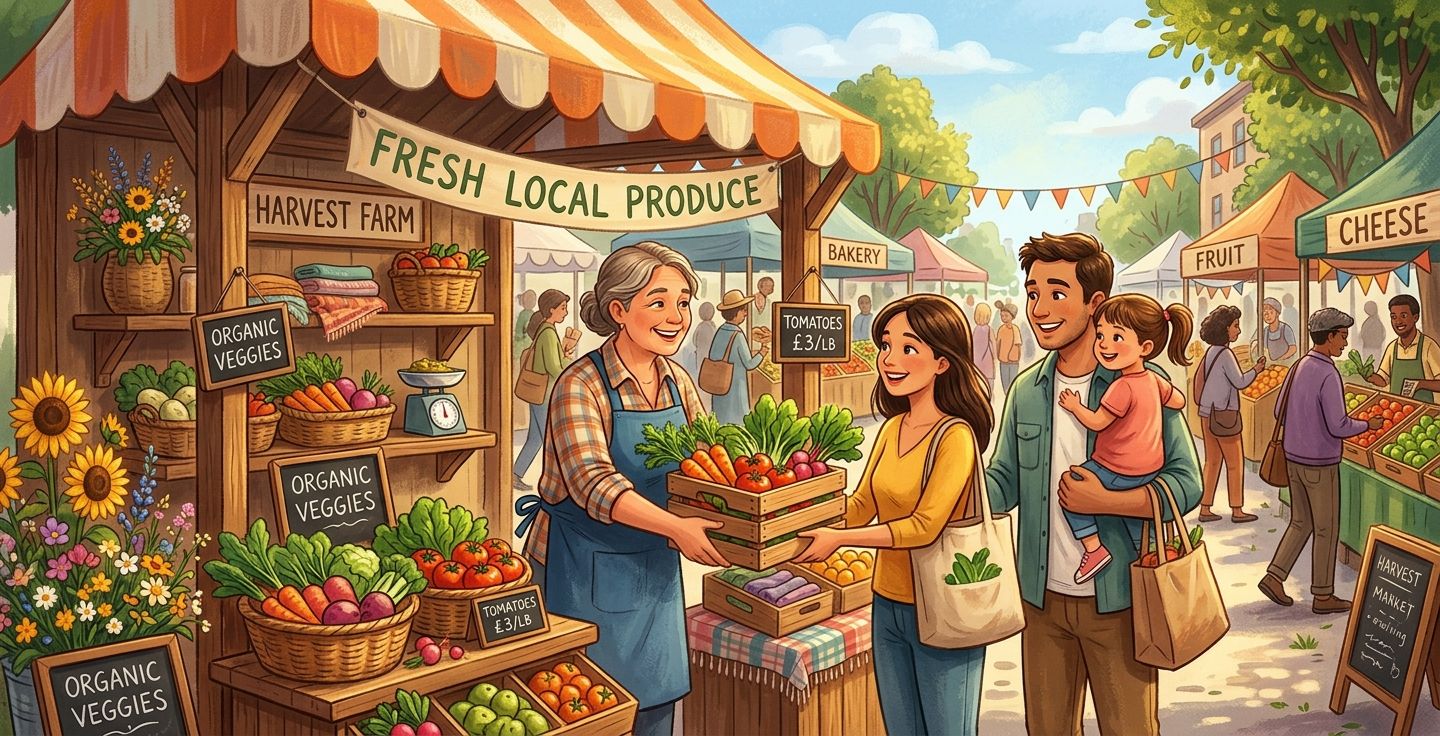
This wonderful trend brings me so much joy. The convenient supermarkets will always be there for us when we need them. But the beautiful resurgence of the small farmers market shows that human beings still crave the creak of old floorboards. We still crave the rich, personal story behind a perfect red tomato. We still want to shake the hand of the person who pulled our dinner from the sweet earth.
If I could offer a tiny bit of advice to young parents pushing their little ones in the cart seat. Let those little hands touch the rough skin of the vegetables. Let them learn the difference between a sweet potato and a dusty russet potato. Teach them early on that food does not magically appear inside a cold plastic box. It takes bright sunshine, rich dirt, steady rain, and hard working hands to feed a family.
By doing this, you are raising a brilliant generation. They will appreciate the earth and its incredible bounty far more profoundly than we ever managed to do. The future of our country food is in wonderful hands. Your generation is perfectly blending the incredible convenience of the modern world with the mindful, caring spirit of our past. That is a truly beautiful thing for an old man to witness. Keep up the good work.
Common Questions About Grocery Shopping in America
I know that navigating the aisles of life can bring up a lot of curious questions. Here are a few thoughts on the things I hear folks wondering about the most.
What is the best day of the week to go grocery shopping?
In my experience, Wednesday morning is the golden hour. The weekend rush has completely faded away, and the store aisles are quiet and peaceful. Most stores restock their fresh items by Wednesday, and the new weekly sales usually begin on this day. It allows you to shop slowly and thoughtfully without bumping carts with your neighbors.
Why are the dairy and essential items always at the back of the store?
That is an old retailer trick that has been around for decades. Store owners place the milk and eggs at the very back so you have to walk past thousands of other tempting items just to get your basic necessities. They hope you will spot a box of cookies or a new brand of cereal along the way. It is a clever strategy, but knowing about it helps you stick closely to your shopping list.
Are local farmers markets more expensive than large supermarkets?
Sometimes the prices on the signs might look a little higher at a farmers market. However, you are paying for incredible freshness and supporting a neighbor directly. Produce from a local farm often lasts much longer in your refrigerator because it was picked just yesterday, not weeks ago. In the long run, throwing away less spoiled food makes the local market a very wise investment for your family.
How can a family save money on their weekly grocery bill?
The best advice I can give is to never go shopping on an empty stomach. Hunger makes everything look delicious and necessary. Always write down a solid list before you leave the house and promise yourself you will stick to it. Also, try planning your meals around the hearty vegetables and grains that are in season. Buying strawberries in December will always cost you a pretty penny, but winter squash is cheap, filling, and warms the soul.
What should I look for when choosing fresh produce?
You want to engage all your senses. Pick up the fruit or vegetable. It should feel heavy for its size, which means it is full of juice and life. Look for bright, vibrant colors without dark bruises or soft wrinkled spots. Finally, give it a gentle smell. A good melon or a ripe peach will smell sweet and fragrant right through the skin. If it smells like nothing, it will probably taste like nothing.
How did grocery shopping change the most during your lifetime?
The sheer size of the stores and the packaging are the biggest changes. We used to buy things in simple brown paper bags or wrapped in butcher paper. Today, almost everything is sealed in thick plastic. We also completely lost the seasonal waiting game. We used to wait all year for summer tomatoes. Now, you can buy a tomato any day of the year, though I must say, the winter ones never taste quite as sweet as a July tomato grown in the hot sun.
How can we reduce food waste in our own homes?
The secret is simple respect for the food. Keep a close eye on your refrigerator shelves. If carrots are getting soft, toss them into a soup pot. If bread is going stale, make breadcrumbs or a nice pudding. Our mothers and grandmothers never threw a single scrap away if they could help it. Treat your leftovers like the valuable resources they are, and your garbage bin will stay wonderfully empty.