
Geography & the American Landscape
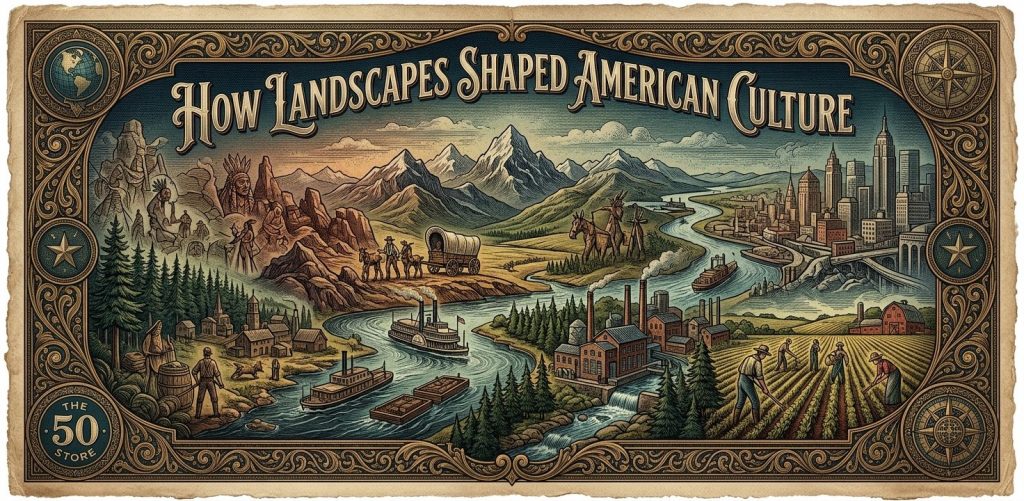
How Landscapes Shaped American Culture
Sweet American Summer Bomb Pop T Shirt
Wear your story with pride! Celebrate classic American values, history, and heritage with our premium crafted apparel, designed for comfort and durability.
The Soil Under Our Boots
I sit on my wooden porch these days and watch the cars go by. The road is paved smooth, black asphalt baking quietly in the summer sun. It is easy to look at that road and forget what lies beneath it. It is just dirt to most folks now. But that dirt, the hills that rise up behind the town, the rivers that snake through the valleys, they are the silent authors of our story. We like to think we built this country entirely with our own bare hands and clever minds. The truth is much more humbling. The land built us. The shape of the earth dictated where we stopped, where we struggled, and who we became in the process. The physical environment formed our national character. It gave us a hardy spirit. It taught us patience. It is a beautiful thing to sit quietly and remember the sheer power of the ground we walk on every single day.

Sweet American Summer Bomb Pop T Shirt
Wear your story with pride! Celebrate classic American values, history, and heritage with our premium crafted apparel, designed for comfort and durability.
Sweet American Summer Bomb Pop T Shirt
Wear your story with pride! Celebrate classic American values, history, and heritage with our premium crafted apparel, designed for comfort and durability.
The Numbers That Tell Our Story
There was a time when almost every hand in this nation knew the familiar feeling of turning soil. Today, things look very different. The United States Department of Agriculture notes that back in 1790, nearly ninety percent of the labor force was made up of farmers. We were tied directly to the rain, the sun, and the winter frost. Today, less than two percent of the population lives on a farm. That is a staggering shift in how we interact with our home. Furthermore, the United States Forest Service reports that in the early 1600s, forests covered over one billion acres of the land. By 1920, we had cleared millions of those acres to make room for our growing ambitions and sprawling towns.
We changed the land, but not before it left an indelible mark on our culture. We slowly moved from the open fields into the bustling cities. We traded the heavy plow for the factory machine, and then the factory for the office desk. We gained a remarkable amount of comfort along the way. But I worry sometimes about what we lost when we stopped feeling the raw dirt under our fingernails. 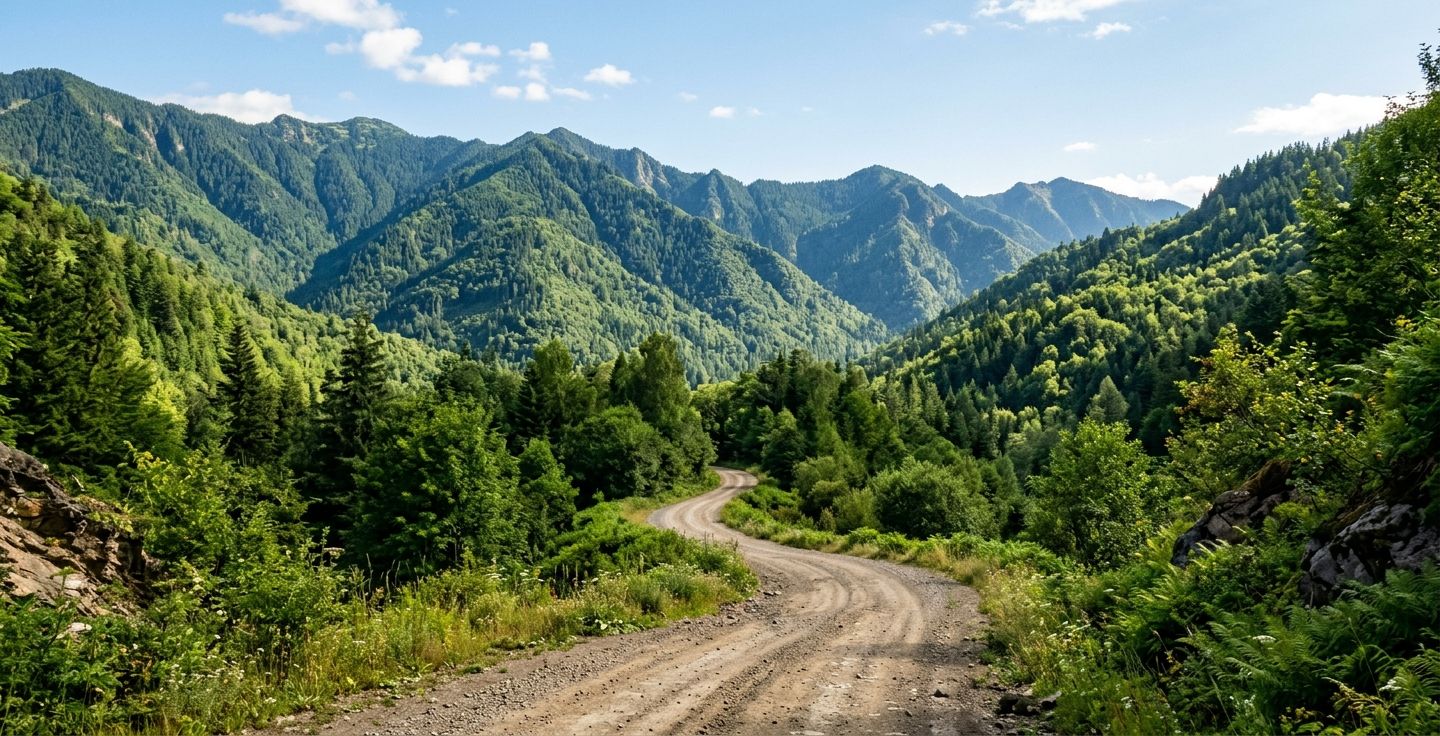
A Small Crack in the Great Wall
Let me tell you about a small stretch of land that changed absolutely everything. If you stand near the Cumberland Gap today, you might just see a pretty mountain pass. But in the late 1700s, the Appalachian Mountains were a massive, terrifying wall. They were an absolute physical barrier. Families would travel from the eastern coast, hit the rolling foothills, and stop. They built their lives right there because the mountains simply said no. The geography of the east coast kept the early colonies huddled together. It forced them to build dense towns and form incredibly tight social bonds to survive.
Then came a man named Daniel Boone (1734-1820). He was not a superhero from a comic book. He was just a regular man who liked to walk and hunt in the deep woods. He followed ancient animal trails and Native American paths to find a narrow notch in that great wall of stone. Because of that one physical crack in the rock, the entire culture shifted. The idea of the frontier was born in the minds of everyday people. They packed up their wooden wagons and poured through that gap. The landscape opened up, and so did our ambition.
The sheer vastness of the new land gave birth to an undeniable sense of independence. When you are miles away from the nearest town, separated by towering mountains, you learn to rely on yourself. You fix your own broken wagon wheels. You grow your own food from seed. The rugged individualism that Americans are known for was not born in a vacuum. It was carved by the mountains and the immense distances between neighbors.
The Sea of Grass and the People It Molded
As our brave ancestors kept pushing west, they eventually broke out of the dense forests and hit the wide open space of the Great Plains. You can look out over the plains today and see miles of golden wheat and green corn. But back then, it was an endless ocean of tall grass. There were almost no trees. This presented a profound problem for the hopeful settlers. How do you build a warm home with no wood? The land offered a harsh, simple answer. You use the dirt. Families built sod houses, cutting thick bricks of earth and grass and stacking them up by hand.
Imagine living in a small house made of dirt, listening to the relentless wind howl across the flat earth. It was a lonely and difficult life. The wide open spaces created a culture of deep community reliance. You might live ten miles from your nearest neighbor, but if their barn caught fire or a terrible illness struck, you dropped everything to help them. You absolutely had to. The landscape was too big and too unforgiving to face entirely alone.
The endless horizon fed into the powerful concept of manifest destiny. Looking out at a sky that seemed to touch the ground in every single direction, people felt a calling to keep moving, to fill the empty space with life and purpose. But it was a very hard life. The plains taught us genuine resilience. They taught us that we can endure the bitter cold of a prairie winter and the scorching heat of summer if we lean on each other. 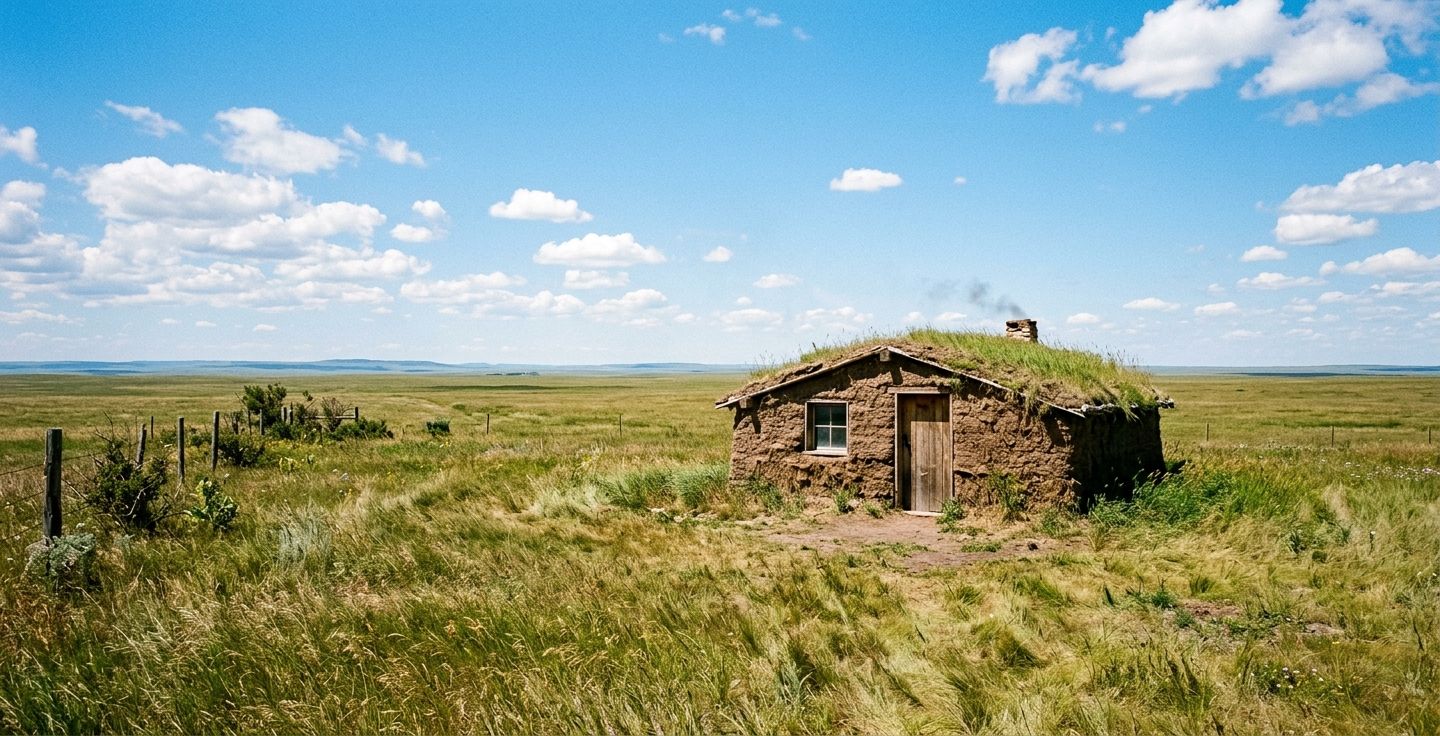
Finding Ourselves in the Canyons
Eventually, the great journey reached the harsh and stunning deserts of the Southwest and the towering granite peaks of the Sierra Nevada. The landscapes out west were extreme and unapologetic. Fresh water was scarce in the painted desert. You could not just plant seeds in the sand and hope for rain. You had to learn the ancient art of irrigation. You had to respect the strict limits of the land. Communities in the Southwest developed a culture entirely centered around the careful, cooperative management of water. Every single drop was precious.
Then there were the great valleys, like Yosemite Valley and the rim of the Grand Canyon. The sheer breathtaking beauty of these places did something unexpected to our practical, hard working ancestors. It filled them with pure awe. Men like John Muir (1838-1914) walked among the giant sequoia trees and realized that not every piece of land should be conquered or farmed. Sometimes, the land is a cathedral.
This beautiful realization sparked the modern conservation movement. Theodore Roosevelt (1858-1919) rode his horse through the Dakota Badlands as a young man. The rugged terrain healed his broken heart and shaped his profound understanding of nature. He went on to protect millions of acres of public land for future generations. The grand landscapes of the West taught us that some things are simply bigger than our immediate needs. They taught us reverence.
The Question We Face Today
This brings us to a quiet realization. We are now surrounded by a comfortable world of our own making. We have climate controlled homes and cars that practically drive themselves. We can fly over the majestic Rocky Mountains in a matter of hours, barely looking up from our glowing screens to notice the snow capped peaks below. We have conquered the great distances that once defined our daily lives.
But in doing so, we must ask ourselves a vital question. How did these varying landscapes shape the American culture we carry today, and what happens to our national spirit if we completely lose touch with the natural world? Are we slowly forgetting the resilience, the community, and the reverence that the raw earth taught us? The convenience of modern life is a wonderful blessing. I certainly appreciate a warm house on a cold winter night. However, a life lived entirely indoors can make us soft in the spirit. It can make us forget that we are part of something older and much larger than ourselves. We need to remember where our grit originally came from.
Passing the Compass
The answer to our modern disconnect is not to tear down our cities or give up our hard earned comforts. The answer is to actively remember and lovingly reengage with the natural world around us. We must deliberately seek out the quiet places. We need to walk in the cool woods and let the natural silence calm our busy, anxious minds. We must teach our children and grandchildren to deeply appreciate the sharp smell of pine needles and the refreshing feeling of cold river water on their bare feet.
I see so much brilliant hope when I look at the younger generations today. I see young folks starting thriving community gardens right in the middle of concrete cities. They are getting their hands dirty again, learning the old ways of planting seeds. They are fighting to protect our remaining wilderness with a fierce passion that truly warms my heart. They inherently understand that preserving the land is really about preserving our humanity.
I gently encourage you to take a long walk this coming weekend. Go to a local park or find a quiet dirt trail. Leave the mobile phone in your pocket. Just look at the shape of the land. Think about the brave, tired people who walked there long before you. Support the young people in your neighborhood who are trying to clean up our local rivers and plant new shade trees. The land shaped our past, and if we treat it with the respect it deserves, it will faithfully nurture our future. We have a spectacularly beautiful country, my friends. Let us go out together and truly enjoy it.