
Culture & Traditions
Why Tipping Culture Exists in the U.S.
The Dawn of American Hospitality
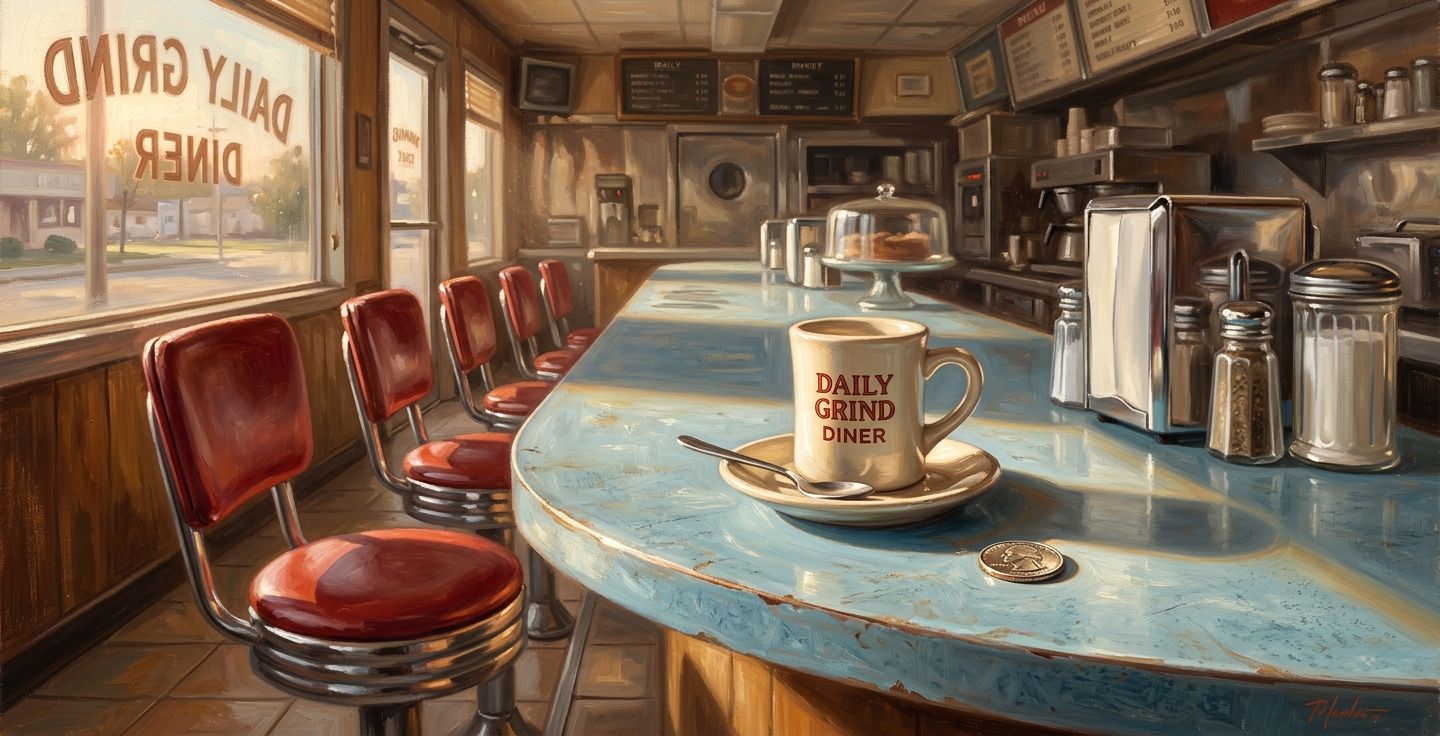
I still remember the familiar clinking of heavy ceramic mugs against the smooth Formica countertops at the local diner back in the late nineteen fifties. The morning air always smelled of strong black coffee and sizzling bacon. You would sit at the counter, read the morning paper, and leave a shiny quarter next to your empty coffee cup before you walked out the door. The waitresses knew everyone by their first name. Leaving a little extra on the table was just what we did. It was a silent language of appreciation. We still speak this language today. You slide into a booth. You order your meal. You leave a tip. It feels as natural as breathing. This simple act of leaving a few coins is the very foundation of our modern American hospitality.
The Complication of Modern Generosity
But things have certainly changed quite a bit since those quiet mornings of my youth. Today, tipping seems to be absolutely everywhere. It is no longer just for the friendly waitress pouring your coffee or the helpful bellhop carrying your heavy suitcase. You walk into a brightly lit bakery, you buy a simple muffin, and a glowing tablet spins around asking for a twenty percent tip.
It makes a person wonder what happened. A recent survey from the Pew Research Center found that seventy two percent of Americans say tipping is expected in far more places today than it was just five years ago. Another study by Bankrate showed that nearly one in three Americans think our tipping culture has gotten completely out of control. We are tipping more than ever before in our history. Yet many hardworking folks are feeling completely exhausted by the constant, daily requests for a gratuity.
This brings up a rather curious question. Why do we tip so much here in America when so many other countries around the world do not do it at all? You might be very surprised to learn that tipping was fiercely rejected when it first arrived on our shores. It was not always the American way.
An Aristocratic Habit on Democratic Soil
How did a completely rejected idea become our national standard? Let us take a long walk back to the late nineteenth century. Wealthy Americans had begun traveling across the ocean to visit Europe. They saw the wealthy European aristocrats giving small coins to their servants. They brought this habit back across the Atlantic to show off their newfound wealth.
But regular, everyday folks absolutely hated it. They called it highly un-American. They firmly believed it created a class of beggars and went completely against our founding ideals of equality and fairness.
To truly understand the shift, we have to look at a small piece of history. We have to look at a man named George Pullman (1831-1897). Pullman built incredibly luxurious sleeping cars for the expanding railroads. After the Civil War ended, he needed a vast new workforce to cater to his wealthy, demanding passengers. He found his workers in newly freed Black men. Pullman hired thousands of them to work as porters on his trains. He paid them a shockingly low wage. He expected them to make up the rest of their living by relying entirely on the generosity of the passengers.
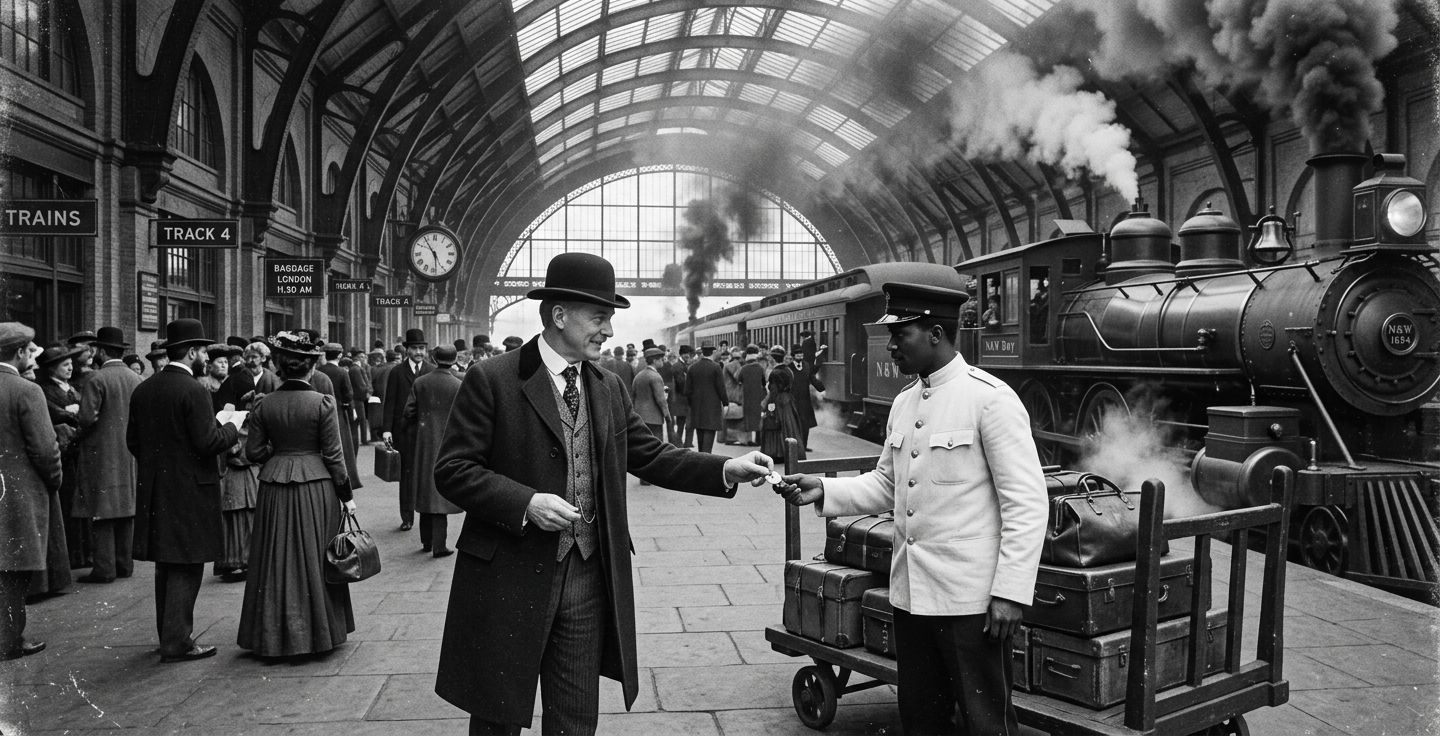
Imagine walking through Chicago Union Station in the eighteen nineties. The hissing steam of the massive locomotives filled the grand, echoing hall. Porters in crisp, spotless white jackets carried heavy leather trunks for wealthy travelers. They worked endless hours with a polite smile. They had to smile. Their very livelihood depended entirely on those silver coins dropped into their hands at the end of a long journey. Pullman essentially shifted the heavy burden of paying his workers directly onto his customers. This small corporate decision changed the American economy forever.
A Billionaire and a Dime
Around this same time, the wealthiest men in the country started making the practice famous. Take the story of John D. Rockefeller (1839-1937). He was the richest man in the world. He would often stroll down Wall Street in New York City. He handed out shiny new dimes to everyone who helped him along his way. To a billionaire, a tiny dime meant absolutely nothing. But it reinforced the very public idea that the wealthy should dispense little favors to the working class. A tiny transaction. A major national shift.
The Law of the Land
Then came the nineteen twenties. Prohibition swept across the nation, outlawing the sale of alcohol. Restaurants suddenly lost their biggest source of daily profit. To survive this massive loss, restaurant owners started adopting the Pullman model. They slashed worker pay. They told their loyal staff to rely on the customers for their income. It was a desperate matter of survival for these struggling small businesses.
This new custom quickly spread from the railroad tracks to the local dining rooms. It took deep root in massive cities and tiny rural towns alike. What started as a rare exception quickly became the universal rule.
By the time the federal government stepped in to create the very first minimum wage laws during the Great Depression, the powerful restaurant industry pushed back hard. They successfully lobbied the government for a permanent exception for tipped workers. To this very day, the federal tipped wage sits at just two dollars and thirteen cents an hour. The law still assumes the customer will make up the difference out of their own pocket.
Taking Care of Our Own
This hidden history explains exactly why we tip today. We are not just saying a polite thank you for good service. We are quite literally paying the wages that the employer does not pay.
It is a heavy realization for many people. But there is a truly beautiful and hopeful side to it, too. When you leave a generous tip on your table, you are directly supporting a neighbor. You are putting your hard earned money right into the pocket of another hardworking person who is trying to pay their rent or feed their growing family. It is a very direct, meaningful act of community care.
Our service industry workers are the absolute backbone of our local communities. They are the bright young folks saving up their pennies for college tuition. They are the tired single mothers working two difficult jobs to make ends meet. They are the friendly, familiar faces who always remember that you like your hash browns extra crispy on a Sunday morning.
When I look toward the future, I feel a deep sense of hope. The younger generations are having incredibly thoughtful conversations about fair wages and workers rights. They are demanding better conditions for everyone. Until those big changes come, they continue to tip with incredible generosity. They understand that behind every glowing screen and every order pad is a real human being with real dreams.
Questions You Might Be Pondering
Over the years, I have heard folks ask a lot of sensible questions about how all of this works. Here are a few answers that might help clear things up for you.
Who actually gets the tip I leave on a credit card receipt?
Should I still tip if the service was not very good?
Is cash still better than tipping on a card?
Passing the Torch of Generosity
Let us summarize what we have learned together today. The American practice of tipping did not start as a beloved tradition. It began as an imported aristocratic habit that was initially despised by the general public. It was cemented into our economy by corporations looking to save money on wages after the Civil War and during the difficult days of Prohibition. Today, the system remains legally embedded in our wage laws, making workers entirely dependent on our generosity.
Yet, despite its deeply flawed origins, we have turned tipping into a powerful tool for mutual support. We have taken a broken system and used it to directly help our neighbors. I have lived a long time, and I have seen many things change. But the basic goodness of the American people has never wavered. We look out for one another. We take care of our own.
The next time you sit down at your favorite local spot, take a moment to look at the person pouring your coffee. Think about their journey. Think about the silent language of care we share every single day.
What small act of generosity can you offer today to make the burden a little lighter for someone working hard in your community?