
American Mythos & National Character
What the “American Dream” Really Means Today
The Quiet Promise of the Past
I remember the steady hum of factories that used to echo across the river valley near my childhood home. The factory whistle would blow at five o clock every weekday. You could set your watch by it. Men would pour out of the large iron gates holding their metal lunch pails, tired but satisfied with a hard days labor. I can still recall the smell of cut grass on a Saturday morning, mixed with the scent of engine oil from a neighbor tinkering with his Ford in the driveway. Back then, the unspoken promise was incredibly simple and clear. You worked hard at a steady job. You bought a house with a modest yard. You retired at sixty five with a gold watch and a pension that would keep you warm and secure in your winter years. That was the situation we understood. It was the blueprint we were handed by our parents.
But life rarely stays still for long. The wind changes direction. The massive factories closed their doors or moved their operations far away. The cost of a simple starter home skyrocketed beyond the reach of a single income. That reliable, lifelong pension became a historical artifact, replaced by stock markets and savings accounts that rise and fall like the ocean tide. That complication left many hard working folks feeling adrift.
It felt as though the solid ground had been pulled out from under an entire generation. What does the American Dream really mean today? To answer that honestly, we need to look past the fading paint of those old white picket fences. We need to see what is actually growing in our neighborhoods right now. We must understand that a dream is not a rigid building. It is a living, breathing thing. It adapts. It survives.
Surprising Truths About Our Changing Hopes
You might read the daily papers and feel a creeping sense of gloom. You might hear people talking at the diner and think the dream is entirely dead. But I see something entirely different when I look at our young people. I see a profound resilience. The truth is quite surprising if you look closely at the numbers.
According to recent surveys by the Pew Research Center, the vast majority of our citizens do not define the dream by wealth anymore. Nearly 77 percent of folks firmly believe the dream is about having the freedom to live how you want to live. Only about 11 percent say it is primarily about being wealthy. Think about that for a moment. It is a massive shift in our national character.
Another survey conducted by the Archbridge Institute found that eight out of ten people still believe they have either achieved the American Dream or are actively on their way to it. The dream has not vanished. It has simply evolved to meet the demands of a new century. People are willingly trading the exhausting pursuit of pure, endless wealth for personal fulfillment and daily flexibility. They are realizing that time is a currency far more valuable than paper money.
The Assembly Line of Yesterday
Let me tell you a story about a place that shaped my generation. After the Second World War, the boys came home eager to start families and get on with living. A man named William Levitt (1907 – 1994) had a bold vision to house them. He looked at sprawling potato fields in Levittown, New York and saw a future for thousands of returning soldiers.
He did not just build houses. He created an assembly line for homeownership. His crews broke down the construction process into twenty seven steps. One crew poured the concrete slab. The next framed the wooden walls. The next painted the trim. For a few thousand dollars, a family could secure a brand new home with modern appliances. For many of my friends, turning the key in that front door was the ultimate arrival. It was a tangible, solid piece of the country they had fought to protect.
But that old model was also remarkably rigid. Everyone lived the exact same way. Everyone commuted at the same time to the same types of offices. The houses looked identical. The daily schedules matched perfectly. It was a comfortable box. But it was still a box.
A Messy, Beautiful New Vision
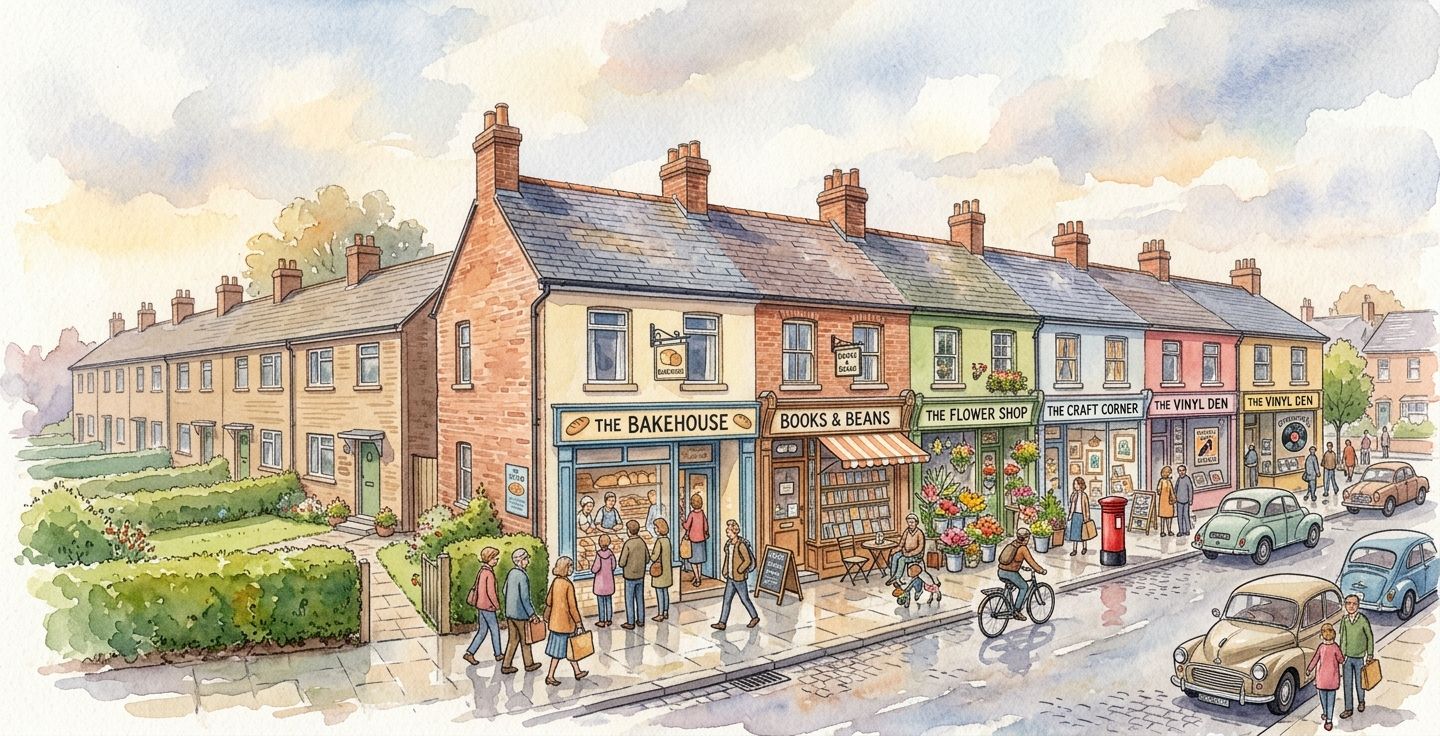
Today, the picture is beautifully messy. People do not necessarily want identical houses in endless suburban rows. They want a life carefully tailored to their own unique skills and deep passions. The traditional assembly line is gone. In its place is a lively collection of small businesses, remote workers, freelance artists, and independent makers.
This shift brings immense hope to my heart. I watch my grandchildren build careers that I could never have imagined. They start thriving businesses right from their kitchen tables. They collaborate with creative folks halfway across the globe without ever leaving their living rooms. They are achieving financial independence on their own terms. They do not wait for a massive corporation to take care of them for forty years. They take fierce ownership of their own destiny.
The deep desire for a better, sweeter life remains firmly rooted in our national soil. We still crave upward mobility. We still desperately want our children and grandchildren to have an easier, more joyful path than we did. But the definition of what makes a life better has grown warmer. It is no longer about keeping up with the neighbors or buying a flashier car to park in the driveway. It is about genuinely connecting with those neighbors.
The Return to the Sidewalk
We are witnessing a beautiful return to community connection. Folks are starting neighborhood gardens in empty city lots. They are supporting small, local farmers at weekend markets. They are sharing tools, resources, and their precious time. There is a profound wisdom in this modern shift.
The old version of the dream was often a lonely, exhausting climb up a steep corporate ladder. The new dream looks much more like a community coming together to raise a barn. It is highly collaborative. It is adaptable. When harsh economic storms come, a single rigid tree might easily snap in the wind. But a dense forest with heavily intertwined roots stands firm. Our younger generations are actively building those vital root systems right now.
To understand this craving for community, think about a brilliant woman named Jane Jacobs (1916 – 2006). Back in the middle of the last century, certain city planners wanted to bulldoze old, messy neighborhoods to build massive, soulless highways. Jane fought back with everything she had. She stood up for the narrow, bustling, chaotic streets of Greenwich Village, New York.
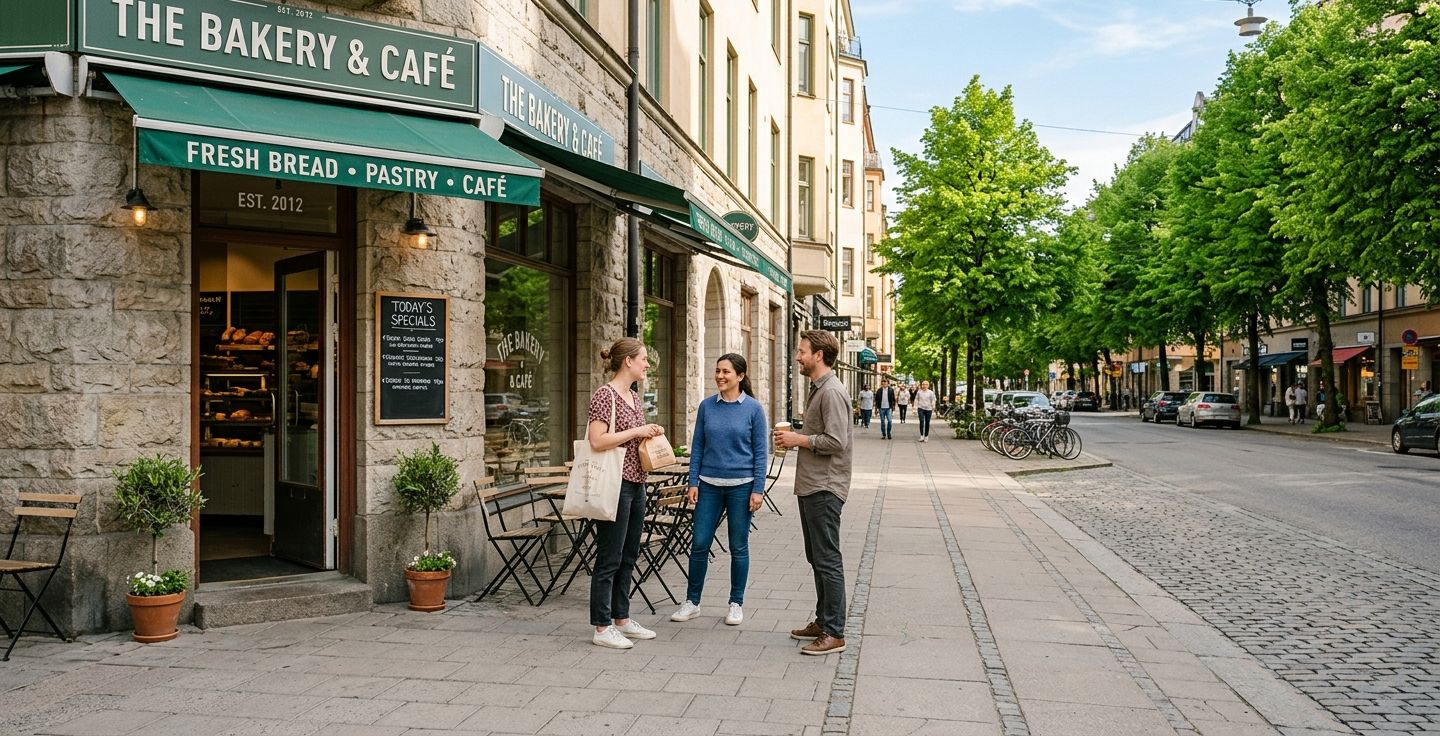
She wrote books that changed how we see cities. She argued that a healthy neighborhood is like a delicate dance. Kids playing hopscotch, shop owners sweeping their front steps, and folks leaning out of apartment windows all played a crucial role in keeping the streets safe and welcoming. She recognized what the men in the high offices could not see. She knew that a true, lasting community is built right on the sidewalks. It is built on daily, chance encounters at the local bakery. It relies on the watchful eyes of neighbors looking out for one another.
Her visionary perspective is blooming all over again today. People are actively seeking out walkable neighborhoods. They want to know the first name of the person who pours their morning coffee. They want a life that feels genuinely human sized.
Questions We Ask Along the Way
We must warmly embrace this cultural change. It is completely natural to have questions as we make our way through this transition. Let us look at a few of the things folks are wondering about today.
Is the American Dream still achievable for young people today?
Yes, but the path looks entirely different. Young people today face steep hurdles with the cost of higher education and expensive housing markets. However, they are bypassing traditional barriers by creating digital businesses, pursuing valuable specialized trades, and embracing shared living arrangements. The dream is absolutely achievable when we stop measuring it by the standards of past decades.
How does the shift to remote work change our national dream?
Remote work gives people the incredible gift of geographic freedom. For decades, ambitious folks had to move to a few very expensive coastal cities to find good opportunities. Now, a person can earn a strong living while residing in a quiet rural town or a midwestern suburb. This is helping to revive small towns and main streets that had been quiet for far too long.
Does choosing not to buy a house mean someone has failed the dream?
Not at all. While buying property was the golden rule for my generation, many folks today prefer the freedom of renting. Renting allows them to travel, change jobs easily, and avoid the heavy burden of property maintenance. Financial stability can be built through investments, savings, and careful planning. A house is just one tool in the toolbox, not the entire toolbox.
Looking Forward With Hope
We must encourage our young folks to keep boldly redefining success. Their journey might not look like ours, but the spirit driving them is exactly the same. It is the relentless pursuit of a good life. We are planting the seeds of a forest that will shade our descendants long after we are gone. Your role in this new dream is just as important as anyone else.
If you are reading this today, I warmly ask you to take a close look at your own life and your own expectations. Are you exhausting yourself chasing a ghost from decades past? Or are you actively building a life that brings you peace, joy, and purpose right now? Support the small, local businesses in your town. Mentor a young person who is bravely trying to carve out an entirely new path. Have absolute faith in the future.
The enduring spirit of this country is not permanently tied to a corporate pension plan or a specific style of suburban house. It is intimately tied to our endless capacity to reinvent ourselves. We have done it before, and we are doing it again right before our very eyes. What small, meaningful step can you take today to build a dream that actually serves your community and your heart?