
Culture & Traditions
The American Small Town: Myth, Memory, and the Real Story Behind Main Street
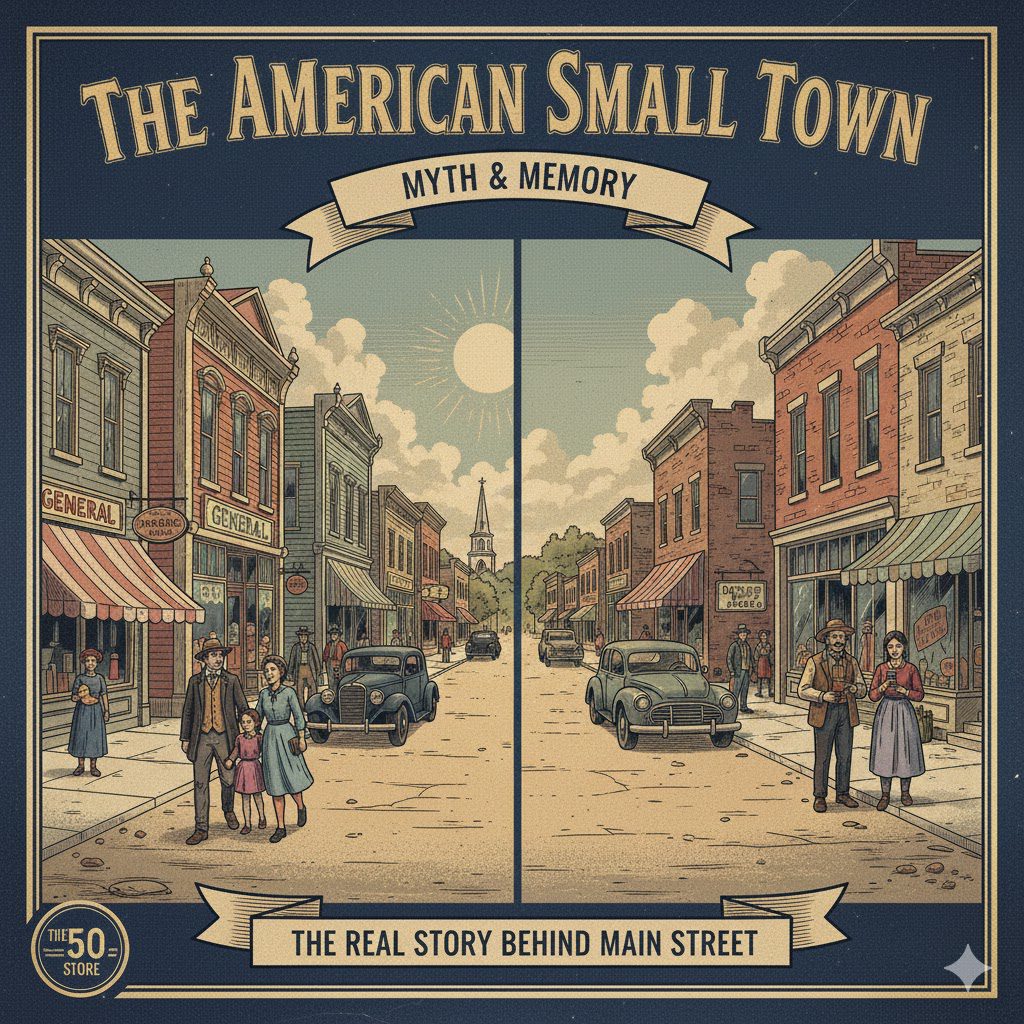
The American Small Town occupies a unique and powerful place in our collective consciousness. It is the idealized backdrop of countless movies, novels, and political speeches—a place of presumed innocence, tight-knit community, and unwavering values, often symbolized by the iconic, Norman Rockwell-esque image of a bustling Main Street. For millions of Americans, the small town is not merely a geographic location; it is a nostalgic metaphor for the nation’s past, representing a time of supposed simplicity and shared purpose before the complexity of modern urban life set in.
Yet, like all powerful national myths, the reality of the American small town is far more nuanced, layered, and often difficult than the memory we cherish. Its true story is one of resilience, economic struggle, demographic change, and the persistent search for identity in an age that prioritizes speed and scale. To truly appreciate the small town, we must look beyond the rosy glow of myth and confront the complex, compelling reality of its lifeblood.
The Architecture of Aspiration: The Rise of Main Street
The physical layout of the classic American small town was a direct reflection of 19th-century optimism and necessity. Main Street, the central artery, was designed as a multi-functional space: a commercial hub, a community gathering place, and a processional route. The architecture itself—brick or stone storefronts built right up to the sidewalk, often with second-story apartments—fostered the very neighborliness we now romanticize. It encouraged pedestrian traffic, spontaneous encounters, and a clear, centralized identity for the entire community.
This design flourished during the age of the railroad and early automobiles. The small town was the crucial intermediary between the farm and the city—a place where agricultural goods were traded, machinery was purchased, and essential services like banks, newspapers, and lawyers concentrated. The success of the small town was intrinsically linked to the surrounding agrarian economy, creating a symbiotic relationship that defined regional American life for decades.
The Great Disruptions: Car, Chain, and Consolidation
The slow decline of the idealized small town began in the mid-20th century, driven by three powerful forces of progress that severed the ties binding the community to Main Street:
- The Automobile and the Interstate: As roads improved and the Interstate system routed around—rather than through—towns, commerce followed the speed of traffic. Businesses began relocating to cheaper land near highway exits, leading to the rise of “Stripe Malls” and the slow death of downtown centers.
- The Rise of the Chain Store: The arrival of large discount retailers and national grocery chains undercut local merchants who could not compete on price or scale. This shift did more than just close hardware stores; it eroded the local economic ecosystem that employed residents and kept money cycling within the community.
- Agricultural Consolidation: As farming became industrialized and mechanized, the number of farms shrank, and the remaining ones grew massive. This meant fewer people lived in the surrounding countryside who needed to frequent Main Street for supplies, fundamentally changing the town’s customer base.
The result was the creation of what we often see today: a preserved, historic Main Street struggling with vacancies, juxtaposed against a sprawling, standardized commercial strip on the edge of town—a visual battle between memory and efficiency.
The Real Story: Beyond the White Picket Fence
The myth of the American small town often paints a picture of immutable unity, but the reality is more complex, particularly concerning issues of demographics and access. Historically, small towns were often deeply segregated—socially, economically, and sometimes officially—with prosperity largely reserved for the dominant ethnic or religious group. The uniformity we remember was often achieved through the exclusion of difference.
Today, however, many American small towns are experiencing a profound demographic transformation. As younger generations migrate to urban centers for opportunity, some smaller communities are being revitalized by:
- New Immigrant Populations: Often settling for agricultural or small-industry jobs, these new residents are opening ethnic grocery stores and restaurants, infusing struggling Main Streets with fresh cultural and economic life.
- Remote Workers and Artists: Seeking a lower cost of living and a slower pace, some professionals are using technology to relocate, bringing new capital and skills to older downtowns.
The small town today is less about returning to a homogenous past and more about forging a resilient future. The narrative is shifting from one of decline to one of reinvention, with communities focusing on heritage tourism, local food movements, and unique cultural assets to distinguish themselves from the corporate uniformity of the highway strip.
Ultimately, the American small town is the truest mirror of the American condition. It is a place grappling with economic anxiety, celebrating stubborn local pride, and searching for the balance between honoring a nostalgic past and embracing a diverse, complicated future. It reminds us that community is not automatically granted; it must be constantly, actively built and supported, one local business and one shared conversation at a time.