
American Pastimes
The Forgotten Founders: Unsung Figures Who Shaped Early America
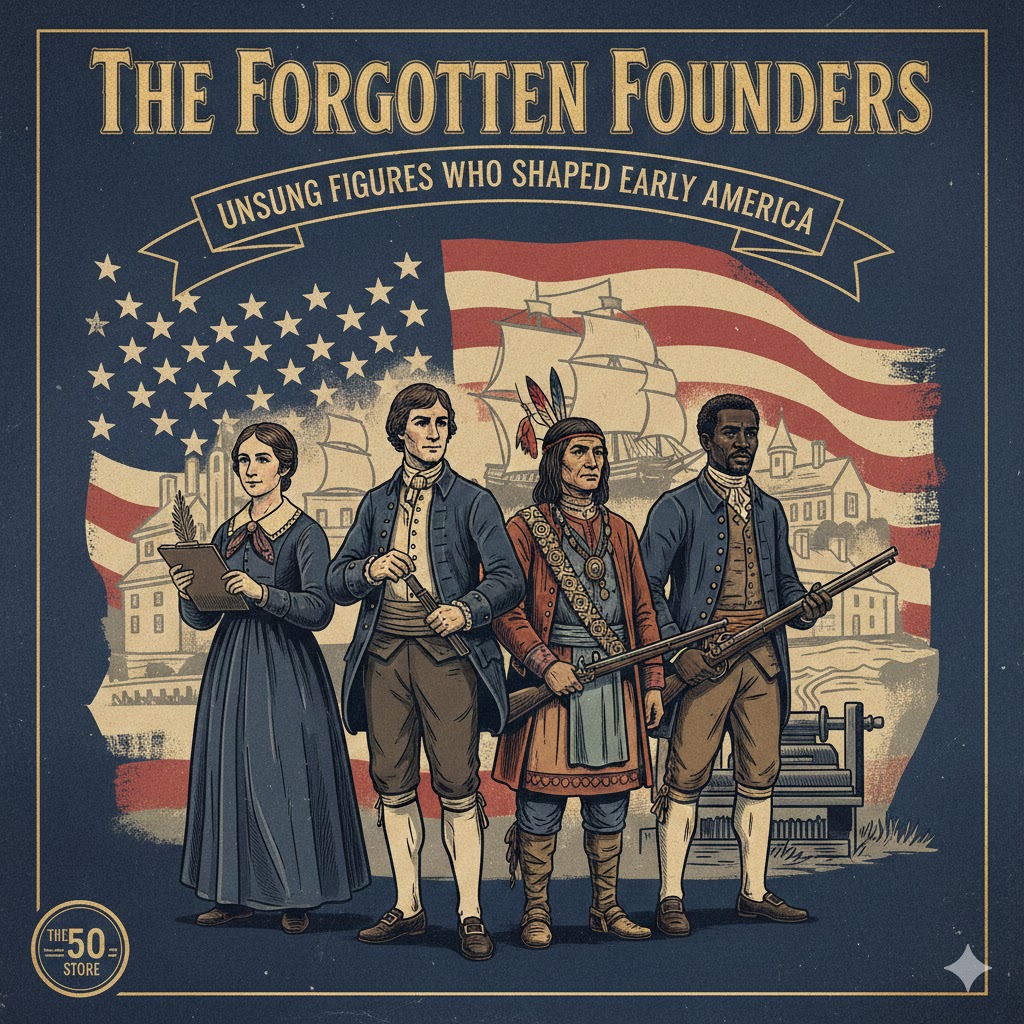
Why do certain founders of early America remain overshadowed despite their significant contributions? The big picture often highlights iconic figures like George Washington and Thomas Jefferson, whose names are synonymous with the nation’s birth. This broad narrative, focused on well-known personalities, tends to simplify the complex tapestry of history, leaving less prominent yet influential individuals in the shadows. However, when we delve into the details, a richer story emerges—one that reveals the roles played by countless unsung figures whose efforts were crucial in shaping the political, social, and economic foundations of the young nation. These detailed insights challenge the traditional narrative, urging us to reconsider who we celebrate and why. By reclaiming the narrative and acknowledging these forgotten founders, we gain a more nuanced understanding of America’s origins, appreciating the diverse contributions that collectively forged the country’s identity. This approach not only honors overlooked pioneers but also enriches our grasp of early American history beyond the familiar names etched in textbooks.
Unsung Architects of Early American Ideals
While the celebrated Founding Fathers receive much of the acclaim for shaping early American ideals, numerous lesser-known figures played foundational roles in crafting the nation’s principles. These unsung architects contributed critical ideas on liberty, governance, and justice that helped frame the emerging American identity. Their intellectual and political labor often occurred behind the scenes, influencing debates on democracy, individual rights, and federalism. For instance, figures like Mercy Otis Warren provided powerful political commentary through writings that galvanized revolutionary sentiment and articulated republican ideals. Others, such as John Dickinson, authored pivotal documents like the “Letters from a Farmer in Pennsylvania,” which articulated resistance to British policies and helped unify colonial opposition. These contributors often bridged gaps between differing factions, fostering compromise and cohesion when the young nation was vulnerable. Their work underscores that early American ideals were not shaped by a handful of iconic leaders alone but were the product of diverse voices working collectively. Recognizing these figures enriches our understanding of the founding era and highlights the collaborative nature of American political philosophy. Key unsung architects include:
- Mercy Otis Warren, political writer and propagandist
- John Dickinson, author and statesman
- Gouverneur Morris, principal author of the Constitution’s preamble
- Abigail Adams, advocate for women’s rights and political advisor
- Francis Marion, guerrilla leader whose tactics inspired American resilience
Acknowledging these individuals helps illuminate the complex roots of America’s foundational ideals.
Regional Voices: Diverse Contributions Beyond the East Coast
While the historical narrative of America’s founding often centers on leaders from the East Coast, it’s essential to recognize the vibrant and diverse contributions from regions beyond these traditional power hubs. Communities from the South, the frontier West, and even the Northern territories played pivotal roles in shaping early American society. Indigenous leaders, African Americans, and settlers from various ethnic backgrounds brought unique cultural perspectives that influenced political thought, social structures, and economic practices. For example, frontier communities developed democratic practices suited to their rugged environments, while Southern planters navigated complex social hierarchies that affected the emerging nation’s stance on labor and rights. Additionally, the rich tapestry of immigrant cultures in these regions infused early America with diverse traditions and ideas, challenging the notion of a monolithic founding culture. Recognizing these regional voices not only broadens our understanding of early America but also honors the multifaceted heritage that contributed to the nation’s identity. By appreciating these diverse contributions, we move toward a more inclusive historical narrative that respects the complexity of America’s origins.
Women and Minorities: Invisible Pillars of a New Nation
In the early formation of America, women and minorities served as the invisible pillars supporting the nation’s fledgling communities, their contributions deeply woven into the social fabric despite scant recognition. Enslaved Africans, Native Americans, and women engaged in vital roles—from maintaining households and farms to participating in local economies and resistance movements—that sustained daily life and fostered communal resilience.
These groups cultivated traditions and networks that nurtured social cohesion and cultural identity, often in the face of systemic exclusion. Women, for instance, organized boycotts and managed supply chains during the Revolutionary War, directly influencing the success of the cause. Similarly, minority communities preserved knowledge and practices that challenged colonial narratives and inspired future generations.
By acknowledging these invisible contributors, we uncover a richer narrative of early America, where community impact transcended recognized leadership. Their collective efforts laid essential groundwork for an inclusive national identity, underscoring that the birth of the nation was truly a communal endeavor, shaped by many hands beyond the celebrated founders.
The Evolution of Historical Memory and Its Socio-Political Implications
The evolution of historical memory is a dynamic process shaped by shifting societal values, political agendas, and cultural narratives. Over time, the collective memory of early America has been influenced by which stories and figures communities choose to emphasize or neglect. This selective remembrance often reflects the prevailing ideologies and power structures, leading to a socio-political landscape where some founders receive widespread recognition while others remain marginalized. The implications are profound: the way history is remembered affects national identity, public policy, and social cohesion. By understanding how historical memory evolves, we can unpack the reasons behind the exclusion of certain contributors and recognize the impact of these omissions on contemporary discussions about heritage and representation. This broader context underscores the importance of revisiting and revising historical accounts to foster a more inclusive and accurate portrayal of America’s formative years, ultimately influencing how society perceives its past and envisions its future.
Recognizing the contributions of these forgotten founders is not merely an exercise in historical correction; it is essential for cultivating a fuller, more inclusive understanding of America’s origins. While iconic figures symbolize the nation’s founding, appreciating the diverse array of individuals who shaped early America enriches our collective memory and fosters greater empathy across communities. This balanced perspective acknowledges that the nation’s identity was forged through a mosaic of voices, experiences, and efforts—some celebrated, others overlooked. As we reflect on these unsung contributors, we cultivate a more nuanced view that challenges simplistic narratives and encourages critical engagement with history. Ultimately, this recognition helps build a society that values pluralism and honors the complexity of its past, providing a foundation for a more equitable future where all foundational contributions are respected and remembered.
Honoring the forgotten founders invites us to deepen our understanding of early America by spotlighting the unsung heroes whose efforts shaped the nation’s foundation. Engaging in conversations about these overlooked figures enriches our historical perspective and challenges us to rethink traditional narratives. By sharing stories, supporting inclusive education, and visiting historical sites dedicated to these pioneers, we celebrate a fuller American legacy. Join the movement to recognize all contributors—your voice helps ensure these vital stories are remembered and valued today.