
American Mythos & National Character
Nostalgia for Main Street: Why the Image Endures
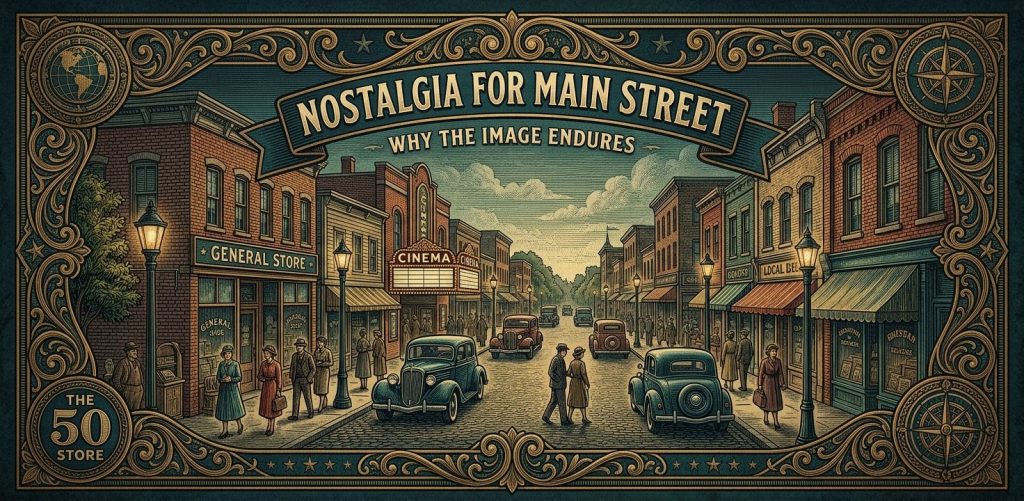
Attention: Remembering the Rhythm of Main Street
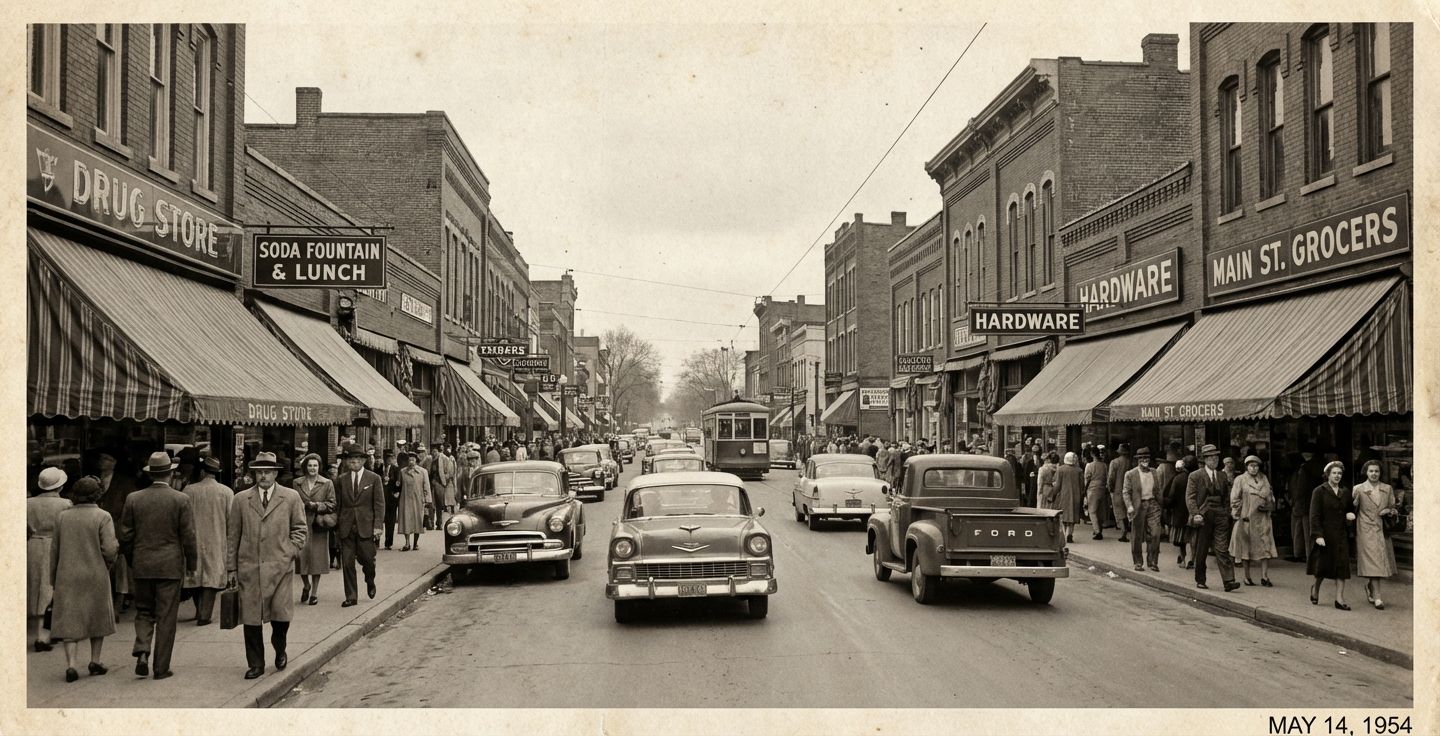
I still hear the clang of the bicycle bell on Elm Street, the smell of fresh-baked bread from Miller’s Bakery, and the low hum of conversation on the bench outside the hardware store. Those sensations are not just memories; they are threads that tie me to a sense of place that feels both personal and national. In this piece, I want to explore why the image of Main Street endures in the American imagination, even as many of our towns face challenges. We’ll walk through the AIDA and SCQA frameworks, sprinkle in some surprising facts, and consider what the future might hold for those beloved downtown corridors.
Interest: The Numbers Behind the Nostalgia
Let’s start with something that might raise your eyebrows. According to a 2022 report from the National Trust for Historic Preservation, over 60 % of Americans say they feel a strong emotional connection to the idea of a small‑town main street, even if they have never lived in one. Meanwhile, the U.S. Census Bureau shows that the number of incorporated places with populations under 2,500 has dropped by roughly 15 % since 1980, while the total population living in those places has shrunk by nearly 20 %. Yet, a 2023 study published in the Journal of Consumer Research found that exposure to images of historic main streets can boost feelings of social trust by up to 25 %, a striking reminder that these places are more than brick and mortar; they are psychological touchstones.
These statistics reveal a paradox: as the physical footprints of many small towns shrink, the mental image of Main Street grows louder in our collective psyche. That tug of war between decline and devotion is exactly what fuels the psychology of nostalgia, a bittersweet longing that can motivate both reflection and action.
Desire: Why Main Street Matters to Our Identity
Now, let’s get personal. I grew up in a town where the main street was the stage for life’s everyday dramas. The barber knew my father’s name; the librarian recommended books that shaped my teenage dreams; the annual Fourth of July parade turned the sidewalk into a ribbon of red, white, and blue. Those micro‑histories, small stories about a person or a street, explain why community identity is so tightly wrapped up in the physical layout of a downtown.
When we talk about historic preservation or the preservation of heritage, we’re not merely saving old façades. We’re safeguarding the settings where rituals of belonging unfold. Research in environmental psychology indicates that familiar, walkable streetscapes lower stress hormones and encourage spontaneous social interaction. In other words, a well‑preserved main street can act as a quiet antidote to the isolation that sometimes accompanies modern life.
Consider the concept of nostalgic marketing. Brands ranging from Coca‑Cola to Levi’s have long invoked images of soda fountains, barbershop quartets, and cheerleading squads to create an emotional shortcut to trust and loyalty. This works because the sentimental longing evoked by those scenes taps into a shared memory bank—a mental album that many of us flip through when we seek comfort or inspiration.
Action: From Longing to Revival
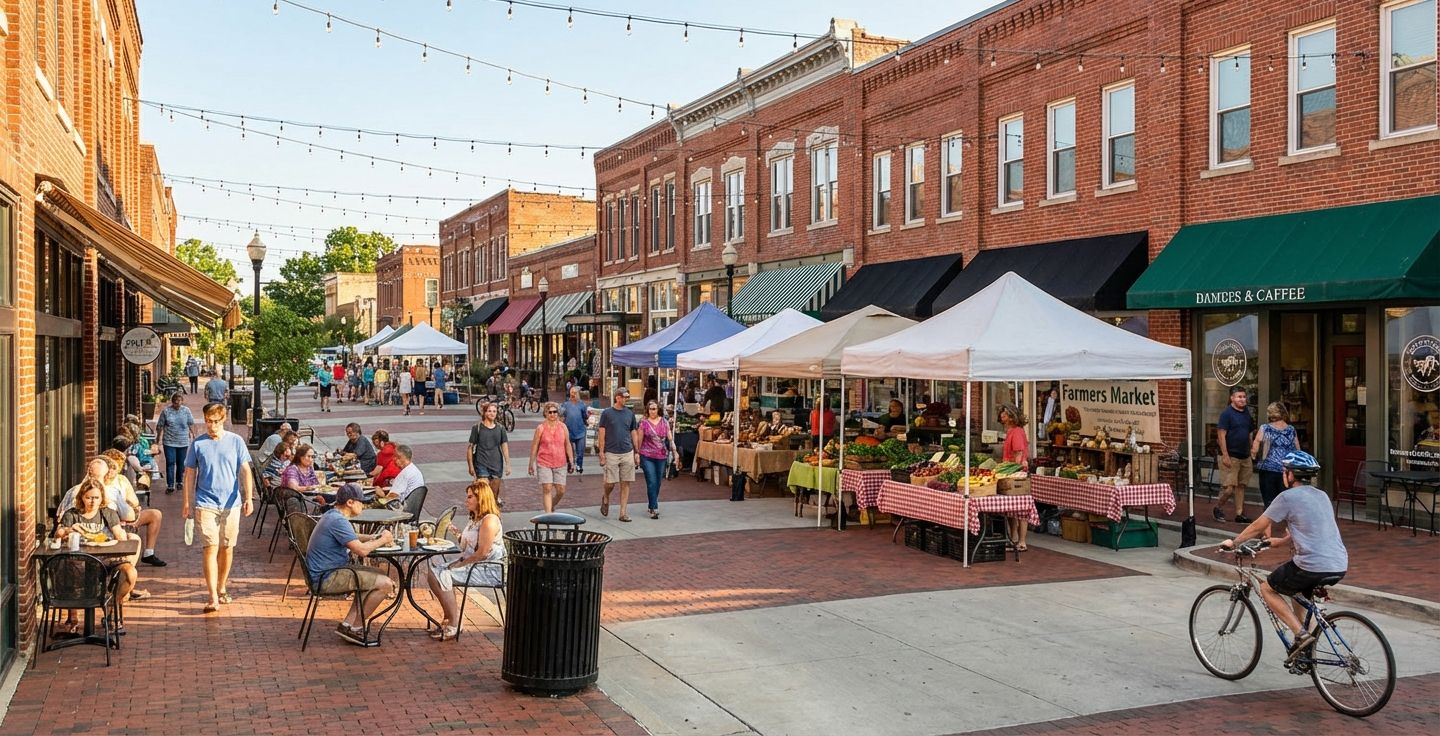
So, what do we do with this yearning? The good news is that towns across the country are already answering the call. The main street revival movement, supported by programs like the National Main Street Center, shows that when communities invest in façade improvements, traffic calming, and local entrepreneurship, foot traffic can rise by 30‑50 % within three years. One striking example is the transformation of Burlington, Vermont’s Church Street Marketplace, where a combination of historic preservation incentives and a vibrant farmer’s market turned a struggling corridor into a regional destination.
But revival isn’t just about grants and guidelines; it’s about everyday choices. When we choose to buy a gift from the local toy store instead of a big‑box retailer, when we attend a town hall meeting held in the old opera house, or when we volunteer to paint a bench in the park, we reinforce the **american main street** as a living, breathing entity.
SCQA in Practice
– Situation: For generations, Main Street served as the commercial and social hub of small‑town America, anchoring daily life and local pride.
– Complication: The rise of suburban malls, big‑box stores, and more recently, e‑commerce, has siphoned away retail dollars and foot traffic, leaving many storefronts vacant and communities questioning their relevance.
– Question: Can we reinvent these historic corridors to meet 21st‑century needs without losing the soul that made them special?
Answer: Yes, by blending historic preservation with innovative nostalgic branding, leveraging community identity, and encouraging policies that support small‑scale, locally owned businesses, we can create downtowns that honor the past while serving the present and future.
Questions You Might Be Wondering
Q: Isn’t nostalgia just a romanticized view that ignores problems like poverty or lack of diversity?
A: Nostalgia, when used thoughtfully, doesn’t erase history; it highlights values we want to carry forward, such as neighborliness, craftsmanship, and civic participation. Many revival projects explicitly aim to make streets more inclusive, adding affordable housing, multicultural festivals, and accessible design.
Q: How can a town with limited funds start a main street project?
A: Begin small. A “paint‑the‑storefront” day, a pop‑up market, or a walking tour organized by the local historical society can generate visibility and volunteer energy. Success in these low‑cost pilots often attracts larger grants from state preservation offices or federal programs like the Historic Tax Credit.
Q: Does focusing on Main Street hurt efforts to develop new, modern districts?
A: Not necessarily. Think of it as complementary layers. A vibrant historic core can increase property values nearby, making infill development more viable. Planners often use the main street as a anchor point, directing growth outward while preserving the center’s character.
Summary of Key Points
- The image of Main Street endures because it satisfies a deep psychology of nostalgia tied to community identity and sentimental longing.
- Surprising data show that while many small towns have declined in population, the emotional resonance of main streets remains strong, and can even boost social trust.
- Effective revival blends historic preservation, nostalgic marketing, and practical steps like façade improvements, local business support, and community events.
- The SCQA framework helps us see the situation, recognize the complication, ask the right question, and find actionable answers. As I sit here watching the sunset paint the old brick facades in amber, I wonder: What small step will you take this week to keep the spirit of your own Main Street alive?
Please feel free to share your thoughts, stories, or ideas in the comments below.